Can You Get Compensation In A No Fault Motor Vehicle Accident
 Fact Checked By Our Attorneys
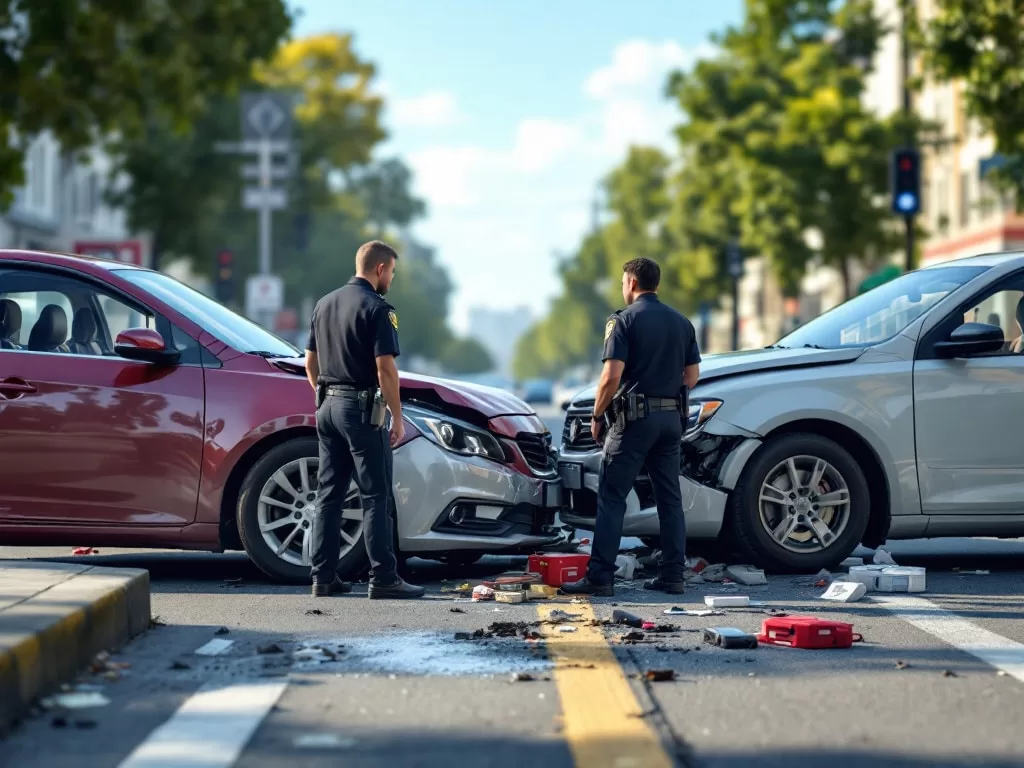
If you’ve recently been injured in a no fault motor vehicle accident, don’t miss your chance to get the compensation you deserve. Our free case review connects you with experienced attorneys who specialize in no fault car accident claims and can help you navigate the complex legal process. Click the button now to get started and protect your rights without any upfront cost! If you live in a no fault insurance state, understanding your policy and its minimum amount of coverage is essential to protect your claim.

No Win, No Fee. Let the Best Motor Vehicle Accident Attorneys Fight for your Compensation!
Table of Contents:

What Is a No Fault Motor Vehicle Accident
In a traditional fault car insurance system, the driver who caused the accident is responsible for paying your medical expenses and other damages. By contrast, in a no fault motor vehicle accident system, you rely on your own auto insurance policy first, no matter who was actually at fault. This setup is meant to reduce lengthy legal battles and ensure you receive required medical attention and some financial relief as quickly as possible. Understanding your car insurance coverage in a no fault state is crucial to knowing what is covered after an auto accident.
No-fault insurance, often called Personal Injury Protection or PIP for short, means that in the event of a car accident, each driver is responsible for paying their own medical bills through their insurance. Drivers in no-fault states must carry mandatory PIP coverage, which compensates for medical expenses and lost wages up to a state-determined minimum amount. This requirement can lead to higher insurance costs compared to traditional liability insurance in at fault states.
Depending on your location, no fault laws may specify certain thresholds for the types or severity of bodily injury. If your medical costs or personal injuries exceed those limits, you could still file a liability claim against the at fault driver responsible. The overall idea behind no fault coverage is to make sure everyone involved in the accident has access to immediate medical care and support, while limiting time-consuming disputes over who caused the crash.
How Does a No Fault Accident Work
When you purchase a no fault insurance policy, often referred to as Personal Injury Protection (PIP) coverage or similar add on coverage, you agree to turn first to your own insurance company if you’re involved in a collision. This insurance provider will pay eligible expenses up to your auto insurance policy’s coverage limit, which can include:
- Medical bills (hospital visits, surgery, rehabilitation)
- Ongoing care (physical therapy, chiropractic services, mental health support)
- Lost wages or income (subject to policy caps)
The no-fault claims process typically requires submitting medical bills and other documentation for payment or reimbursement. Failing to follow the requirements of your insurance company, such as missing strict documentation and deadlines like the 30-day PIP application window, could result in a claim denial. Understanding the insurance claim process helps ensure you don’t miss any critical steps.
Once you exceed these coverage limits or if your injuries meet legal requirements for a “serious injury,” you may have the option to pursue additional compensation from the at fault driver responsible’s insurance. For example, if your no fault policy covers up to $10,000 in medical bills but you’ve racked up $15,000 in expenses, you might be able to file a separate liability claim for the additional $5,000. Being clear on your state’s guidelines, including whether you live in a choice no fault or add on state like New Jersey or Pennsylvania, helps you understand how your coverage coordinates with other potential claims outside the no fault system.
Who Pays in a No Fault Motor Vehicle Accident
Under a no fault policy, your insurance company generally covers your immediate medical expenses and specific related costs regardless of who actually caused the accident. This streamlines payments and ensures you get needed treatment without battling another driver’s insurer. However, property damage claims usually aren’t covered under no fault provisions, so repairing or replacing your vehicle often involves the at fault driver responsible’s property damage insurance or your own collision coverage if you have it. Choosing a reliable repair shop for your vehicle repaired is key to a smooth process.
In no-fault states, the at-fault driver remains responsible for property damage caused in an accident. Even in no-fault states, drivers who cause an accident can still be responsible for some personal injuries. Insurance companies apply the laws of the state in which the accident occurred to help determine who is at fault. Insurance adjusters gather details about the accident, including reviewing the police report and assessing photos of damage, to determine fault.
If the other driver is determined to be at fault for the accident, you can use their insurance policy to pay for your car repairs or for a rental car if your vehicle is in the repair process. The police report is not automatically sent to insurance companies after a car accident; they will request it to help inform them of what occurred.
If you’ve suffered severe or long-term injuries, you may cross over a certain “injury threshold,” which varies by state. Once that limit is met, you could be allowed to seek additional compensation (beyond your no fault benefits) from the at fault driver. This can include broader damages for lost earning capacity, or in some cases, pain and suffering if local laws permit. States with no-fault insurance laws have specific definitions of what constitutes a serious injury, which can allow for lawsuits outside the no-fault system. In no-fault states, personal injury protection (PIP) insurance does not cover damages related to pain and suffering unless your injuries meet a certain threshold.
How No Fault Motor Vehicle Accident Insurance Affects Your Claim
No fault insurance simplifies the legal process by removing the need to prove fault for basic medical coverage. But it doesn’t necessarily guarantee a stress-free claim. Your insurance adjuster will still want thorough documentation of all bills, treatments, lost work hours, and any special services you’ve needed because of the collision. These records demonstrate both the scope and legitimacy of your injuries. Seeking a free consultation with a qualified attorney can help you understand your rights and coverage options.
Keep in mind that a no fault system can limit or restrict your right to file a lawsuit for non-economic damages, such as pain and suffering. Typically, you must show a certain level of injury to “step outside” the no fault framework. Sticking closely to your treatment plan and organizing every piece of paperwork (medical reports, rehab receipts, prescription costs) will strengthen your case if you eventually decide, or need, to escalate the claim.
Members of a no-fault policyholder’s family can usually also make a claim under the policyholder’s coverage if they’ve been injured in a car accident. No-fault insurance is designed to reduce the number of personal injury lawsuits by requiring drivers to rely on their own insurance for compensation.
Understanding No Fault MVA Police Reports
Although your coverage begins with your own insurance company, an accurate police report is still a powerful piece of evidence in a no fault motor vehicle accident. It documents critical information like the date, time, and precise location of the collision, as well as statements from you, the other driver, and any eyewitnesses. Insurers often refer to these details to confirm that your insurance claims align with what was reported by law enforcement.
Even in a no fault environment, having factual details matters if you need to pursue additional compensation later. Make sure you review your motor vehicle accident police report carefully. If you notice any inaccuracies, contact the officer or precinct for a correction. A clear, consistent record of events will help you avoid unnecessary disputes about the authenticity or cause of your injuries.
Mighty can assist with organizing documentation, retrieving police reports, and understanding what documents insurers typically expect, helping you navigate the no-fault claims process effectively.
No Win, No Fee. Let the Best Motor Vehicle Accident Attorneys Fight for your Compensation!
Injuries and Damages Covered Under No Fault MVA
Typically, no fault insurance, or PIP coverage, covers a specific list of expenses directly related to your injuries. This often includes:
- Hospital stays and doctor visits
- Medical devices (braces, crutches, wheelchairs)
- Surgical procedures or emergency care
- Physical therapy, chiropractic, and other rehabilitation services
- Limited lost wages up to policy limits
- Essential services if you’re unable to manage household tasks
Keep in mind each auto policy and state law has its own rules for reimbursement caps, insurance coverage limits, and excluded services. Situations like cosmetic surgery or treatments for unrelated conditions are usually not covered. If your injuries require costly treatments beyond these policy limits, you may qualify to pursue the at fault driver responsible for additional compensation once you cross your state’s threshold for serious injuries.
No-fault insurance generally covers medical bills, lost wages, and other related expenses, but does not cover property damage. PIP may have low limits, so purchasing optional coverage is often recommended for better protection.
Steps to Take Immediately After a No Fault Motor Vehicle Accident
Acting promptly after a crash can safeguard both your physical well-being and your ability to file a successful no fault insurance claim. Here are key steps to remember:
- Seek medical attention: Even if you don’t feel pain right away, a professional exam can uncover hidden or delayed injuries.
- Document the scene: Take photos of any damage to vehicles, the road conditions, and your visible injuries. Documenting the scene is essential for your car insurance coverage and any auto accident reports.
- Exchange information: Collect the other driver’s name, contact details, and insurance policy information.
- Notify the authorities: Calling the police helps create an official report for insurance purposes.
- Contact your insurance company: Inform them you’ve been in an accident so they can open your file and guide you through the no fault process.
The Role of Medical Documentation and Treatment in No Fault Claims
Your medical records are the backbone of your no fault insurance claim, demonstrating both the initial severity of your injuries and their ongoing impact. Each time you consult with a doctor or therapist, ask for a comprehensive report of your diagnosis, recommended treatments, and the recovery timeline. This paper trail builds a credible account of how much the accident has disrupted your life.
Maintaining consistent follow-up care is equally important. If you skip physical therapy sessions or decide on your own to discontinue treatments, your insurance adjuster might conclude your injuries are not as extensive as you reported. Even after you start feeling better, keep attending any scheduled appointments until your healthcare providers confirm that you’ve regained full function or reached the maximum improvement possible.
Common Mistakes That Can Reduce or Deny Compensation in No Fault Accidents
Even though a no fault model is designed to simplify insurance claims, small errors can still undermine the outcome. Here are frequent missteps to avoid:
- Delaying medical care. Putting off a doctor’s visit may prompt the insurer to question the cause or seriousness of your injuries.
- Missing the reporting window. Many auto insurance policies require immediate accident notification. Failure to comply can jeopardize coverage.
- Neglecting your treatment plan. If you have prescribed therapies or follow-up sessions, see them through to document your ongoing needs.
- Failing to retain evidence. Receipts, photos, and statements all reinforce your case and prove the scope of your losses.
How to Maximize Your Compensation in a No Fault MVA
Making the most of your no fault benefits requires diligence from the moment of the accident onward. Keep detailed records of each medical appointment, medication cost, and missed workday. Notify your insurance company promptly with updates on your condition, and ask for guidance if you’re unsure about what your auto policy does or does not cover.
If your total losses exceed your coverage limits, or if your injuries are serious enough to allow litigation, contact an experienced law firm or personal injury attorney to discuss the possibility of filing an additional claim. In some instances, working with motor vehicle accident lawyers can help you receive full compensation and clarify complex legal steps. If you’re curious about potential settlement ranges, a motor vehicle accident compensation calculator can provide a starting point, although it’s not a substitute for personalized legal advice.
Being proactive by following medical advice, keeping a record of all accident-related payments, and consulting with qualified legal representation puts you in the best position to secure the financial support you need.
Remember, the no fault system is there to help you focus on recovery instead of proving blame. While it streamlines immediate compensation for your core medical needs, you may still have options for collecting damages beyond what your policy covers if your injuries are substantial. By staying organized, seeking prompt care, understanding your coverage boundaries, and knowing you’re in a no fault insurance state, you’ll maximize your chance of getting the support you deserve when you need it most.
No Win, No Fee. Let the Best Motor Vehicle Accident Attorneys Fight for your Compensation!