
Does Motor Vehicle Accident Prevention Affect Legal Claims
 Fact Checked By Our Attorneys
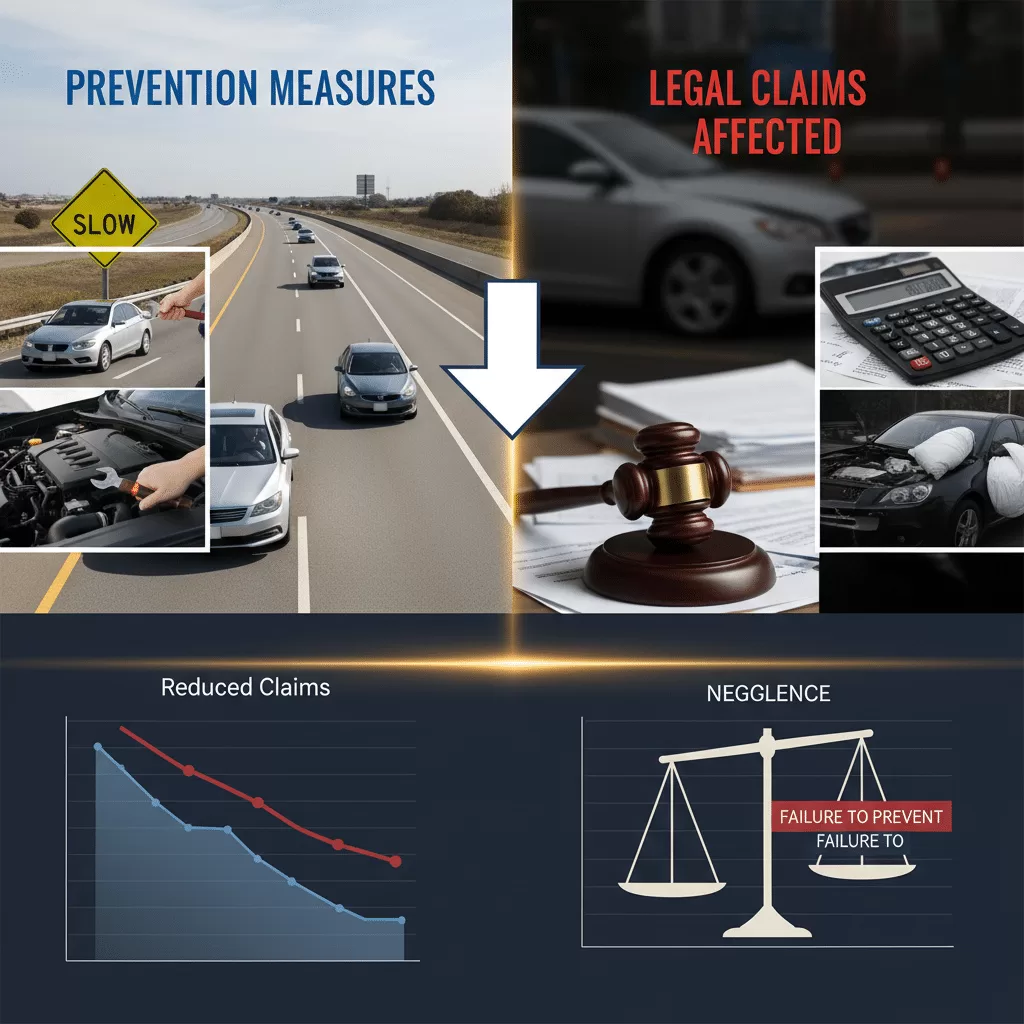
Motor vehicle accident prevention starts with safe driving habits and a strong focus on protecting yourself and others on the road. If you’ve been involved in a crash, don’t wait—take action now to protect your legal rights. Get a free case review today from experienced attorneys who can help you understand your options and fight for the compensation you deserve. Click the button below to start your risk-free evaluation and take the first step toward securing your future.

No Win, No Fee. Let the Best Motor Vehicle Accident Attorneys Fight for your Compensation!
Table of Contents:

What is motor vehicle accident prevention
Motor vehicle accident prevention is the set of strategies and actions you take to reduce or eliminate the risk of collisions on the road. These strategies can include obeying speed limits, maintaining your vehicle properly, scanning your surroundings, and adjusting your driving to bad weather or traffic conditions. Prevention also involves adopting a mindset that prioritizes safety—both your own and that of other road users, including pedestrians, cyclists, and trucks.
Driver education programs play a crucial role in promoting safe driving behaviors and reducing the risk of accidents. Comprehensive driver training should cover topics such as defensive driving techniques, hazard awareness, and proper vehicle handling. Defensive driving courses help workers practice safer driving techniques and improve hazard recognition, thereby helping employees make better decisions behind the wheel and reduce crash risk for everyone on the road. Employers can provide defensive driving training to help reduce crash risk and promote safer driving habits among employees. Special attention should be given to teen drivers, who statistically are more prone to accidents during their initial years of driving.
By recognizing and addressing factors that lead to accidents, you can stay alert and operate your vehicle with heightened awareness. Prevention often begins before you ever start the car, such as checking your tire pressure, ensuring your lights work properly, and confirming that you have clear visibility out of your windows and mirrors. Regular inspections of tires, brakes, lights, and windshields are vital for maintaining vehicle safety and controlling risk. In combination, these steps help reduce the likelihood of a crash and any subsequent injuries or legal hurdles you might face. Observing traffic patterns and maintaining control at all times are critical aspects of safe driving.
Over 90% of car crashes are attributed to preventable human error, emphasizing the importance of individual choices in accident prevention. Safe driving practices, such as wearing a seatbelt—which reduces the risk of fatal injury by roughly 50%—eliminating distractions, adhering to speed limits, and driving sober and alert, are essential strategies for accident prevention. Over the past two decades, studies have shown that proactive safety measures significantly reduce motor vehicle fatalities and severe injuries. Encouraging responsible driving behaviors is critical to protect employees and all road users.
How following safety measures supports your legal claim
Adhering to safety measures not only safeguards your well-being but can also strengthen your position if you ever need to seek compensation for injuries. When you can show clear evidence that you were driving responsibly—wearing your safety belt, following traffic laws, and avoiding distractions such as cell phones—you build credibility in the eyes of insurers and legal professionals.
If the other driver is at fault, the fact that you took precautions may reinforce your argument that you truly were a victim and not a contributing factor. This is especially significant when negotiating with auto insurance companies or presenting facts in a courtroom. The more you have documented your responsible behavior, the more weight your statements can carry in support of a motor vehicle accident injury claim or motor vehicle accident lawsuit.
Common causes of motor vehicle accidents
Collisions can arise from a variety of circumstances, and understanding these common causes is key to improving your accident prevention strategy. While not exhaustive, the list below covers some of the most frequently cited dangerous issues:
- Distracted driving, including texting, adjusting electronic devices, or eating
- Speeding and reckless driving maneuvers such as tailgating
- Driving under the influence of alcohol or impaired driving due to drugs
- Poor weather conditions that impair visibility and traction
- Lack of vehicle maintenance, from worn-out tires to faulty brakes
- Drowsy driving, which can be as dangerous as impaired driving
Speeding can reduce reaction time and increase the severity of impacts, contributing to approximately 29% of all traffic fatalities in the U.S. as of 2023. Fatigue impairs judgment and slows reaction time, increasing crash risk, while aggressive driving behaviors, such as tailgating and frequent lane changes, increase the chance of accidents. External factors like weather and road conditions can challenge drivers and contribute to accidents, with conditions such as rain, snow, and fog reducing traction and visibility, leading to a significant number of weather-related crashes. Motor vehicle crashes remain a leading cause of injury and fatalities, particularly for inexperienced drivers or during peak traffic hours.
Ways to prevent motor vehicle accidents
Prevention starts with consistent, day-to-day caution. Safe driving does not involve one single action, but a series of habits that keep you prepared for ever-changing road conditions and traffic flow:
Observe speed limits and slower traffic zones to protect pedestrians, cyclists, and other vulnerable road users. Plan routes in advance, including alternate paths if you encounter road closures or congestion. Planning routes and stops ahead of time prevents rushed decisions and reduces distraction behind the wheel.\
Keep up with regular vehicle maintenance. Check your brakes, tires, and lights so you are always in control. Routine maintenance reduces the chance of mechanical issues that could lead to crashes.
Additionally, personal habits make a difference. If you feel fatigued or drowsy, consider taking a break. Employers should implement policies to prevent drowsy driving among employees who operate vehicles as part of their job duties. If you must make a phone call, use hands-free options or pull over safely. And if the weather deteriorates—whether it is heavy rain, snow, or fog—reduce your speed and drive with greater caution. Over more than two decades, research has consistently emphasized the importance of these preventive habits in reducing motor vehicle fatalities.
Defensive driving techniques to reduce risk
Defensive driving is a style that emphasizes anticipating possible hazards and acting in time to avoid them. Defensive driving is defined as anticipating hazards on the road and using safe driving strategies to help prevent accidents. Incorporating a few basic approaches can drastically lower your vulnerability to crashes:
- Scan your surroundings: Keep an eye not just on the vehicle ahead, but also on nearby lanes and cross traffic.
- Maintain a safe following distance: Leave enough space between your car and the vehicle in front, giving yourself extra reaction time. Maintaining a safe following distance allows ample time to react to sudden changes in traffic and helps prevent rear-end collisions.
- Anticipate the actions of others: Assume other drivers may turn without signaling or brake suddenly. Being prepared helps you respond calmly.
- Adjust to road hazards: If you spot debris or damaged pavement, slow down and gently steer around it rather than swerving abruptly.
- Communicate with signals: Use turn indicators and make sure your brake lights are fully functional so others know your intentions.
Defensive driving training and education programs can help employees increase confidence on the road, develop better situational awareness and anticipation skills, and improve reaction times. Employers can provide defensive driving training to help workers practice safer driving techniques and improve hazard recognition. Defensive driving skills help employees anticipate hazards and respond calmly to unexpected actions from other motorists, bicyclists or pedestrians. Creating a strong driving safety program in the workplace can help reduce crash risk by combining policy, training, and ongoing evaluation. Employers can provide defensive driving training, create written policies, hold safety meetings, and reinforce safe driving tips.
Through consistent practice, these steps become second nature. Defensive driving not only helps avoid collisions but also provides a stronger foundation for legal claims if you can demonstrate you were being proactive behind the wheel. Scenarios involving teen drivers or drivers unfamiliar with traffic patterns require extra caution and training.
No Win, No Fee. Let the Best Motor Vehicle Accident Attorneys Fight for your Compensation!
Vehicle safety features that minimize injury
Modern vehicles come equipped with various safety features designed to prevent crashes or reduce their severity. Understanding these options can help you decide which features matter most for your situation:
Anti-lock braking systems (ABS) help maintain steering control during emergency stops by preventing wheel lock.\
Electronic stability control (ESC) assists in reducing skids, especially when turning or driving in slippery conditions.\
Airbags and seat belts work together to absorb impact and keep you secure, mitigating the force exerted on your body.\
Advanced driver-assistance systems (ADAS) provide warnings about lane departures or close distances, and some can even automatically brake.
While these technologies are not foolproof, they do offer an extra layer of protection. Maintaining your safety systems is also crucial. An airbag that has been recalled, for example, could put you at higher risk and weaken your position if injuries occur. Quality vehicle upkeep can play an essential role in proving that you took responsible steps to stay safe, including ensuring your auto insurance coverage is active and comprehensive.
What to do in a motor vehicle accident
Even the safest drivers can still face collisions, given factors like other motorists’ mistakes or sudden roadway hazards. If you experience an accident, your first priority is protecting your well-being and the well-being of others. Check yourself and your passengers for injuries, and call emergency services if necessary.
Next, gather details to support any future claim. Exchange information with other drivers—such as names, contact details, and insurance companies—and take photos of both vehicles, any visible injuries, and the surrounding area. Documenting motor vehicle crashes promptly ensures accuracy for your legal claim. You can learn more about comprehensive next steps by reviewing what to do after a motor vehicle accident.
Documenting your accident and injuries for legal purposes
Proper documentation often proves vital when you are pursuing a motor vehicle accident compensation case. The more information you have on file, the easier it is to demonstrate the extent of your injuries and property damage. Beyond exchanging insurance details and obtaining a copy of the police report, keep a personal log of any costs or losses related to the collision.
Medical records are especially important. Save bills for doctor’s visits, prescriptions, and therapies. If you miss work due to injuries or job duties, record that lost income. Photographs of damage and injuries over time can also show how your condition evolves, which can be key if the other party disputes the severity of the impact. All these records can significantly support your position during negotiations or in court. Over more than two decades, data show that careful documentation reduces disputes over motor vehicle fatalities and serious injuries.
How prompt medical treatment supports your claim
Seeking medical care soon after a collision accomplishes two main goals: protecting your physical health and building a strong basis for any legal claim. Injuries such as whiplash, concussions, or soft-tissue damage can develop over hours or days, making it vital to see a professional for evaluation even if you initially feel fine.
Getting prompt treatment also shows that you took your injuries seriously right from the start. Insurance adjusters may question claimants who wait weeks before seeing a doctor, suggesting that the injuries might not be severe or related to the accident. In contrast, timely medical reports can help confirm that the crash caused or contributed to your condition, which often becomes a central point of proof in a motor vehicle accident legal advice discussion.
Steps to take after reporting a motor vehicle accident
Once you have contacted the police and your insurance provider, a few clear actions can streamline your path to potential compensation:
- Follow medical recommendations: Adhere to your treatment plan and keep appointments. This consistency demonstrates that you are proactive and serious about recovery.
- Organize your documents: Collect photos, witness statements, police reports, and medical records in a secure place.
- Consult qualified help: If you suspect another party’s negligence played a role, contacting a motor vehicle accident attorney can help you understand your rights and assess the value of your case.
- Stay mindful of timelines: Each state has a filing deadline, commonly known as a statute of limitations, which restricts how long you have to pursue legal action.
By taking these steps, you not only protect your immediate interests but also lay the groundwork for a smoother claim process if you are injured in a motor vehicle accident. It may feel daunting to handle so many details after a crash, but staying organized and informed helps you preserve crucial evidence.
Putting prevention practices into place each time you drive is the best way to reduce accidents. When you do face an accident, the proactive steps described in this guide can strengthen your legal position. Investing time in prevention today can pay off in both peace of mind and the security of knowing you have safeguarded your potential claim.
For more tips and resources on motor vehicle accident prevention and driver safety, be sure to consult trusted safety organizations and legal advisors who can provide guidance tailored to your specific needs.
No Win, No Fee. Let the Best Motor Vehicle Accident Attorneys Fight for your Compensation!