Do Photos And Witness Statements Help A Motor Vehicle Accident Claim
 Fact Checked By Our Attorneys

Understanding motor vehicle accident evidence is crucial to building a successful claim and securing the compensation you deserve. Don’t leave your case to chance get the right evidence and expert guidance to strengthen your car accident claim today. Click the button below now for a free case review and take the first step toward a fair outcome with trusted legal support.

No Win, No Fee. Let the Best Motor Vehicle Accident Attorneys Fight for your Compensation!
Table of Contents:

Understanding motor vehicle accident evidence
Motor vehicle accident evidence refers to all pieces of information that help clarify what happened before, during, and immediately after the crash occurred. This can include photos of the damage, medical reports, electronic data from modern vehicles, and even digital records such as dashcam footage or cell phone records.
Motor vehicle accidents can lead to significant physical, emotional, and financial hardships. The strength of the evidence supporting the injury claim often makes a considerable difference in the outcome. The more compelling and well-documented the evidence, the greater the likelihood of receiving fair compensation.
When you begin gathering evidence to build your car accident case, you want to demonstrate two main points: that the other involved parties are at fault and that you suffered real losses or severe injuries. Strong evidence shows the exact impact of the accident on your life, from physical injuries to lost wages and missed medical visits. If you think you might pursue motor vehicle accident claims, it becomes even more crucial to document everything with proper documentation.
As you move forward, keep in mind that you have a limited window of time to initiate your personal injury claim or personal injury lawsuit. Different regions have varying legal requirements, so confirm your local statute of limitations motor vehicle accident to avoid missing important deadlines. By understanding what motor vehicle accident evidence looks like, you can take steps to secure and preserve it right away. Evidence must be collected promptly to preserve facts, as physical signs can be cleared and witness memories can fade. The first three days following your accident represent the golden period for evidence gathering, as physical evidence remains undisturbed and witnesses’ memories are freshest. Delays in evidence collection can result in missing or less reliable information, weakening the claim.
Types of evidence you should collect after an accident
Having a checklist makes it easier to remember all the accident details you’ll need. The more comprehensive your records and visual evidence, the stronger your case. Below are the main categories of evidence to gather:
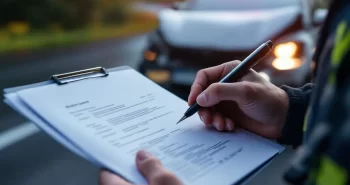
- Photographs and videos of the accident scene, vehicle damage, and injuries, including traffic signs and traffic violations. Photos and videos serve as powerful visual proof of the crash dynamics. Photographic evidence can provide undeniable visual proof that words alone may not fully convey.
- Witness contact information and their statements about what they saw, especially regarding distracted driving or other factors that helped cause the crash. Witness statements can provide an unbiased account of the accident, helping to clarify what happened. Eyewitness testimony adds significant weight to a claim by corroborating the version of events.
- Police reports detailing the officer’s observations and any citations issued to involved parties. Police reports provide an official record of the accident, including details such as the time, location, involved parties, and any initial determinations of fault.
- Medical records, doctor’s notes, treatment plans, and bills that document your injuries and recovery progress. Medical records document your injuries, treatment, and prognosis, providing evidence that directly links your injuries to the crash. Prompt medical attention after an accident is essential to link injuries to the incident and avoid doubts about their severity.
- Insurance information and any correspondence you have with insurers.
Try to collect this evidence as soon as it is safe to do so. For instance, snap photos of your surroundings before vehicles are moved, if possible. Document skid marks, weather conditions, traffic signals, and anything else that might be relevant. Physical evidence, like skid marks and vehicle positions, aids in determining fault and calculating compensation in comparative fault jurisdictions. If you were injured in a motor vehicle accident and needed medical attention, keep every piece of detailed records from your doctor or hospital. The accuracy and immediacy of evidence collection often play a pivotal role in insurance negotiations and legal proceedings. Insurance companies often look for ways to delay payouts, and without clear proof, they may deny liability or offer a low settlement. Insurance companies often look for ways to deny liability or offer low settlements when evidence is lacking. Without strong evidence, it can be difficult to prove what happened or who should be held responsible after an accident.
How photos and videos strengthen your claim
There’s a reason photos and videos are considered some of the most powerful forms of motor vehicle accident evidence. They freeze a moment in time and provide a clear view of how the accident happened. Even the best-written statement can be questioned, but video evidence and other digital evidence are hard to dispute.
If you have a smartphone, take multiple shots from different angles. Show the position of both vehicles, the damage, and any debris on the road. For videos, capture a sweeping view of the entire accident scene. If your car has a dashcam, its footage could reveal exactly what happened in the seconds leading up to the collision. This visual record becomes especially important if liability is contested. The vivid portrayal of the scene can either encourage a quick settlement or provide compelling evidence if your case goes to court.
You also want to pay attention to the small technical details. Zoom in on the license plates, road signs, speed limit markers, or even broken glass. Black box data from vehicles offers objective insights into speed and actions leading to an accident. Each snapshot helps build a more complete picture of the crash. These details could prove invaluable later when insurance adjusters or a judge wants a clear account of the incident. Effective documentation for motor vehicle accident cases typically includes visual, official, and technical evidence.
The role of witness statements in supporting your case
Witness statements, whether from passengers, other drivers, or bystanders, can back up your version of events. Often, these individuals offer fresh perspectives on what happened right before and after the collision. Because they’re not usually involved in the accident themselves, their viewpoints carry an air of neutrality that can strengthen your credibility.
When collecting witness information, gather names, phone numbers, and email addresses. Ask if they’re willing to put their account in writing. If possible, record an audio statement on your phone with their permission. The sooner you can capture their memory of the event, the more accurate it will be. Keep in mind that people’s recollections can fade or change over time, so a prompt statement carries more weight in negotiations and court proceedings.
If you face difficulty contacting a witness later, share what information you have with your attorney. They may have resources or legal representation to track witnesses down for a more formal statement. In many instances, well-documented witness testimony can nudge insurance companies toward a favorable settlement and support claims for your injuries.
Police reports and their importance in motor vehicle accident evidence
The police report is another cornerstone of motor vehicle accident evidence. When officers arrive on the scene, they document critical facts like the date and time of the collision, weather conditions, traffic signs, and any visible injuries. They might also offer an initial assessment to determine fault.
Although police reports are not always admissible as the sole proof of liability, these documents often carry substantial weight with insurance companies. The official record can either confirm or challenge your version of the event. If you need a copy, contact law enforcement or obtain it through your local department’s website. You may also reference a motor vehicle accident police report if you have further questions about obtaining or interpreting the information.
Review the police report carefully for accuracy. If there’s an error, you can request an amendment or add a statement clarifying your position. Minor mistakes rarely derail a claim, but significant discrepancies might impact how liability is assessed.
No Win, No Fee. Let the Best Motor Vehicle Accident Attorneys Fight for your Compensation!
Medical records and documentation for injury claims
If you suffered injuries in a collision, your medical records tie the harm directly to the accident. This category of documents can include hospital intake forms, doctor’s evaluations, X-rays, prescriptions, and treatment plans. Your bills, receipts, and insurance statements also show the financial impact of what happened.
Consistent medical documentation is especially important if you plan on pursuing motor vehicle accident compensation. Insurance companies and attorneys often look for gaps in treatment to argue that your injuries are not severe or are unrelated to the crash. By following up promptly with your healthcare providers and saving every relevant document, you maintain a strong link between the collision and your condition.
You can also keep a daily journal of how you feel, any pain or discomfort, and the ways it affects your routine tasks. This personal record adds another layer of authenticity to your claim, helping others see the real impact of your injuries over time.
Preserving digital and physical evidence safely
Any physical or digital record you create or receive should be stored securely. Accidents can happen, and you don’t want to lose crucial pieces of your case. Store digital files on at least two devices or in cloud-based platforms that back up automatically. Physical evidence, such as damaged car parts or torn clothing, can also be significant in illustrating the severity of your crash.
When dealing with electronics, set up folders to categorize your photos, videos, and scanned documents. Label each file with the date and a brief description so you can locate items quickly. Consider using a password-protected folder for extra security. If you have dashcam footage or surveillance footage, transfer it to a safe storage location soon after the accident so you won’t risk it being overwritten.
Keeping everything organized is not only about safety; it also makes life easier if you hire a motor vehicle accident attorney. Your legal team will appreciate having quick access to relevant records, and it can speed up the process when building a compelling claim on your behalf.
Common mistakes that weaken your motor vehicle accident evidence
Even strong cases can falter if certain oversights occur. Steer clear of these common pitfalls:
- Waiting too long to collect evidence: Physical and emotional details fade quickly, and a damaged scene is soon cleaned up, making accurate documentation harder.
- Failing to see a doctor promptly: Gaps in medical treatment or treatment plans can lead insurers to dispute the validity or severity of your injuries.
- Inconsistent or incomplete records: Missing pages in medical files or lost receipts dilute the strength of your claim.
- Speaking carelessly on social media: Insurers may monitor your accounts to find contradictions in your statements about your recovery or physical limitations. Social media posts can influence legal claims, as they can either support or undermine a case.
- Not seeking legal guidance early: An experienced attorney can help you avoid mistakes and ensure each piece of evidence is used effectively.
By knowing these potential missteps, you can avoid creating unnecessary hurdles in your path to securing fair compensation. Remember that every interaction you have, whether online or offline, could be evaluated during your claim process, so it’s best to stay consistent and cautious.
Tips for organizing and submitting evidence for your claim
Proper organization streamlines communication with your insurance company and any legal representatives. Here are some practical suggestions for assembling your records:
Start by creating folders for each category: police reports, medical documents, witness statements, and photos or videos. Keep a digital version of each record if you can, labeling files by date and category. This approach allows your attorney or insurance adjuster to locate the exact files they need without sifting through stacks of paper.
When you’re ready to submit your evidence, ensure you have duplicates of everything. You never know if something could be misplaced or damaged in transit. It’s also wise to confirm the submission method that your insurance provider or lawyer prefers. Some may prefer secure digital uploads, while others might want physical copies. By delivering well-organized materials promptly, you present a cohesive story that highlights the seriousness of your injuries and the clear liability of the other parties involved.
Finally, keep a personal log of each date and item you submit. If someone asks for clarification or if a dispute arises, you can quickly indicate where and when you provided the requested documents. This builds trust and credibility in your case handling.
How an experienced attorney uses evidence to maximize compensation
An attorney experienced in motor vehicle accident law knows how to piece together all of this evidence into a clear narrative that insurance companies and judges find convincing. They understand which documents to prioritize, how to interpret medical records, and the best times to negotiate versus litigate.
Your attorney might work directly with expert witnesses or accident reconstruction experts who can testify about your injuries and provide valuable insight into the accident. These accident reconstruction professionals can explain technical details that clarify how the accident happened and help establish liability. These specialized insights can deepen the impact of your evidence, showing beyond a doubt that the accident caused real harm and financial hardship. This thorough approach often leads to better settlement offers or a more robust court case.
If you feel overwhelmed by the evidence-gathering process or are unsure about dealing with insurers on your own, speaking with a motor vehicle accident attorney can make a difference. They guide you through each step, help you avoid critical mistakes, and strive to recover compensation for medical bills, loss of earnings, and other damages. By partnering with someone who knows the system inside and out, you’re taking a strong step toward getting your life back on track after a serious crash.
No Win, No Fee. Let the Best Motor Vehicle Accident Attorneys Fight for your Compensation!