Can You File A Motor Vehicle Accident Claim With Uninsured Motorist Coverage
 Fact Checked By Our Attorneys
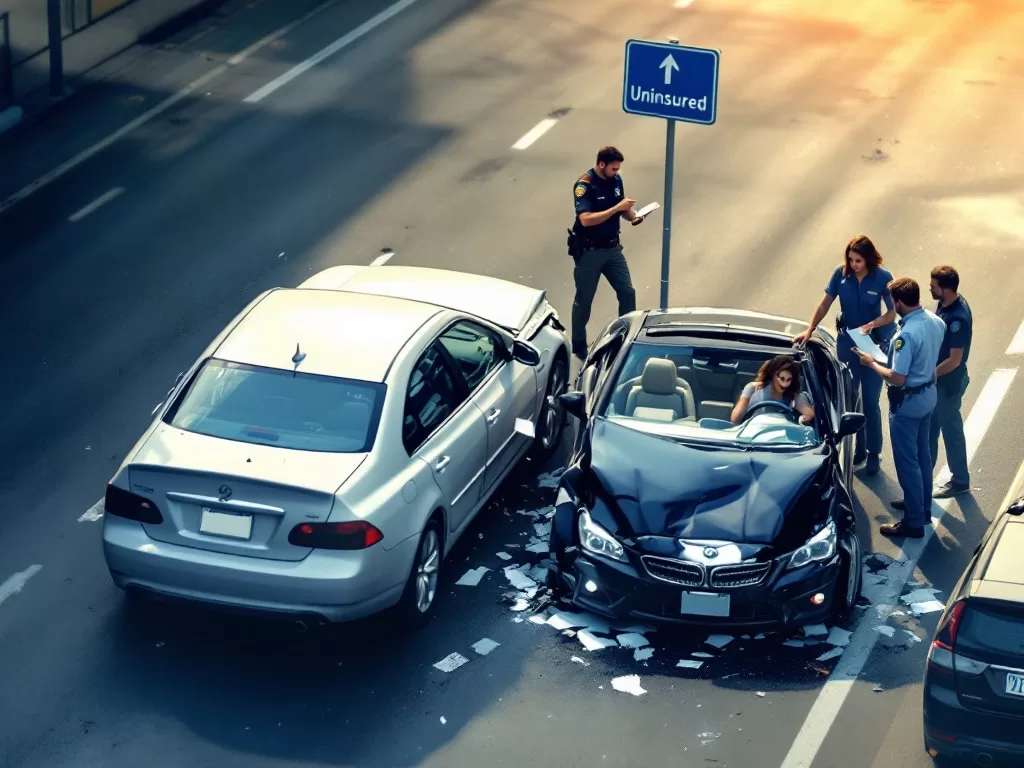
If you’ve been involved in an uninsured motorist motor vehicle accident, don’t face the financial burden alone. Protect your rights and get the compensation you deserve by taking advantage of our free case review today. Our expert team is ready to help you navigate uninsured motorist coverage and underinsured motor vehicle coverage so you can focus on healing without worrying about medical expenses, lost wages, or property damage. Click the button now to start your free case review and take the first step toward financial recovery.

No Win, No Fee. Let the Best Motor Vehicle Accident Attorneys Fight for your Compensation!
Table of Contents:

Understanding Uninsured Motorist Motor Vehicle Accident Coverage Types
Uninsured motorist coverage applies as a specific component of an auto insurance policy designed to provide coverage if an at-fault driver lacks sufficient liability insurance or enough insurance to pay for your losses. In a typical motor vehicle accident claim, you would turn to the at-fault party’s liability coverage to cover medical bills, vehicle damage, or other expenses. But if the at-fault driver does not carry liability insurance, or if their coverage limits are too low, your uninsured motorist coverage or underinsured motor vehicle coverage can help fill in the gap.
This kind of financial protection applies not just to drivers, but potentially to pedestrians, cyclists, or passengers in another vehicle who have the coverage and are struck by an uninsured or underinsured driver. You pay for this additional layer of security when you purchase your auto insurance policy. Although it is not mandatory in many states, many drivers choose this coverage for peace of mind. Mandatory UM coverage is compulsory in approximately 20 states, including Connecticut, Illinois, and New York. Effective January 1, 2026, New Jersey will increase minimum UM/UIM limits to $35,000 per person and $70,000 per accident.
If you end up in an uninsured motorist motor vehicle accident or hit and run accident, it can be invaluable for ensuring you get the care you need. Uninsured motorist coverage may help pay for damage and injury from a hit-and-run accident or a phantom vehicle. A phantom vehicle causes injury or damage without touching your vehicle. In some states, uninsured motorist property damage coverage may be available to cover damage to your vehicle when struck by a hit-and-run driver or a driver who does not have liability coverage.
How Uninsured Motor Vehicle Coverage Protects You
Having uninsured motor vehicle coverage or um coverage can significantly reduce the stress and uncertainty that often accompany accidents involving drivers with no insurance or an underinsured driver. First and foremost, it helps pay for your medical bills, including hospital stays, surgeries, or follow-up treatments like physical therapy. It can also cover lost wages if your injuries prevent you from working for a certain period.
In addition, some policies will compensate you for pain and suffering or long-term disability related to bodily injury. Since every plan has different limits and deductibles, be sure to check the coverage specifics in your policy documents. If you are uncertain, you can ask your insurance representative directly. Uninsured motorists can leave you financially vulnerable, thus UM coverage fills financial gaps left by health insurance.
Ultimately, this coverage exists to protect you against having to pay for someone else’s mistake out of your own pocket—particularly when that other person does not have the means or liability coverage to pay for your damages. If you don’t have uninsured/underinsured motorist coverage, you may need to rely on other coverage you might have, such as collision coverage. If you don’t have any coverage, you will need to pay for repairs and medical bills out of pocket. You can try to get the person who caused the accident to pay you back for your costs if you don’t have coverage.
When You Can File an Uninsured Motor Vehicle Accident Claim
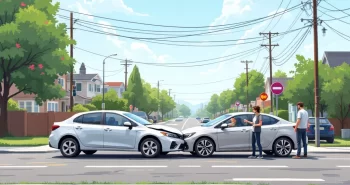
You can typically file an uninsured motor vehicle accident claim when the driver at fault has no coverage at all or carries a policy that fails to meet your accident-related costs. In some states, this category also includes hit and run drivers where the at-fault driver cannot be identified. If the owner or operator of any vehicle causing injury or damages is unknown, an action may be instituted against the unknown defendant as ‘John Doe’.
The exact rules on filing differ from state to state. Some insurance providers have strict deadlines, so acting quickly after the crash is crucial. As soon as you realize the other driver is uninsured—or if you suspect that their insurance may not be enough insurance—contact your insurance company to notify them of your intention to file a claim. Your insurance company must treat you fairly under your UM policy, and you have the right to compensation for damages caused by the at-fault driver. Once they open a case for you, you will usually need to submit documentation of the collision, your injuries, and financial losses.
You may also look into additional options if you are injured in a motor vehicle accident caused by a driver who has partial or no coverage. Talking with an insurance representative or an attorney can help clarify the best path for your situation.
Key Requirements to Qualify for Uninsured Motorist Coverage
To qualify for reimbursement under uninsured motorist coverage or underinsured motorist coverage, you generally need to meet these basic criteria:
- You must have had a valid auto insurance policy that includes uninsured motorist protection at the time of the accident. In most states, drivers are required by law to carry liability insurance on their auto insurance policies. The endorsement or provisions for uninsured motorist coverage must undertake to pay the insured all sums that he is legally entitled to recover as damages from the owner or operator of an uninsured motor vehicle. In Virginia, the limits for uninsured motorist coverage must equal but not exceed the limits of the liability insurance provided by the policy.
- The other driver must be uninsured, underinsured, or unidentifiable if it was a hit and run.
- You must be able to prove the other driver’s fault in the accident.
Insurance companies require proof that you did everything correctly on your end, such as having active coverage and carrying liability insurance. They also look for evidence that the at-fault driver indeed bears responsibility for the crash. This can mean presenting police reports, witness statements, or any relevant photos and videos as part of your claim.
Additionally, most states require you to meet certain deadlines for filing. Late filing may lead to a claim denial, no matter how justified your request might be. Check your insurance documents and be sure to follow time-sensitive guidelines closely.
If an injured person is entitled to uninsured or underinsured motorist coverage under more than one policy, the insurers shall be obligated to the injured person in a specific order of priority of payment. The provisions of uninsured motorist coverage may not apply to any policy of insurance that covers the liability of an employer under any workers’ compensation law. An injured person may settle a claim with a liability insurer for the available limits of the liability insurer’s coverage without affecting their right to underinsured motorist benefits. If you have multiple vehicles, some states allow you to ‘stack’ your UM/UIM limits, increasing your total available coverage.
Documentation Needed to Support Your Claim
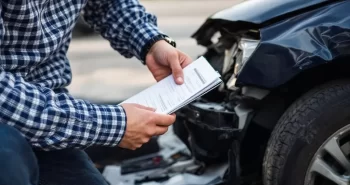
One of the most critical steps in filing a successful uninsured motorist motor vehicle accident claim is presenting solid documentation. This includes:
- Police report: After any serious car accident, you should contact law enforcement. Do not leave the scene of the accident without calling the police, even if the accident seems minor. The official report can verify key details of the event, including the circumstances and whether the other driver was a hit and run driver.
- Medical records: Keep track of hospital bills, medication receipts, physician reports, and any other paperwork related to your injuries and health insurance. Seek medical treatment promptly to document your injuries after an accident.
- Photographs and videos: Image-based evidence of the accident occurred, vehicle damage, and personal injuries can help prove what happened. Gather as much information as possible about the accident, the other vehicle, and the other driver.
- Witness statements: If somebody saw the accident occur, a written or recorded statement describing the event can bolster your claim.
The more detailed your paperwork, the easier it is to show your insurance provider that you qualify for uninsured motorist coverage. If you are unsure which documents matter most, a quick call to your insurance agent or an experienced attorney can help you create a comprehensive list.
No Win, No Fee. Let the Best Motor Vehicle Accident Attorneys Fight for your Compensation!
Common Injuries Covered Under Uninsured Motorist Claims
Uninsured motorist coverage is designed to help you handle a wide range of injuries that may arise when an at-fault driver has no coverage. Common examples include whiplash, broken bones, concussions, and more severe traumatic injuries involving bodily injury. Many people also suffer from continuing conditions such as nerve damage, chronic back pain, or emotional distress after a collision.
Although every policy differs, most uninsured motorist coverage extends to all medically necessary treatments related to your crash. That can include everything from ambulance rides and emergency surgeries to longer rehabilitation therapies. If your injuries have forced you to take time off work or if you require ongoing medical appointments, uninsured motorist coverage can help lessen the financial burden. Uninsured motorist coverage can apply to life-threatening injuries sustained in pedestrian accidents, even if you were not in your vehicle at the time. Uninsured motorist coverage can cover injuries sustained in pedestrian accidents if the at-fault driver has no insurance or insufficient coverage.
Challenges and Mistakes to Avoid with Uninsured Motorist Claims
Even if you have the right insurance coverage, a few common pitfalls can make the claims process harder than it needs to be. One major mistake is waiting too long to seek medical treatment. Delaying a visit to the doctor can cause two problems: your injuries may worsen, and your insurance company may question the extent or cause of those injuries.
Another common issue is failing to document your expenses fully. If you pay out of pocket for medication, treatments, or any medical equipment, hold on to the receipts so you have clear proof of your losses. Being proactive also means promptly informing your insurer about the suspected uninsured or underinsured driver. If you wait too long to notify them, the claim might be delayed or denied.
Finally, avoid providing overly broad or unclear statements. When you contact your insurer, share as much information as possible about the accident caused, your injuries, and any uninsured motorist property damage. Doing so will help prevent missteps or misinterpretations that might complicate your claim later on.
How an Experienced Motor Vehicle Accident Lawyer Can Help
Even though uninsured motorist coverage is designed to protect you, the claims process can become complicated especially if you suffer serious injuries or if multiple vehicles are involved. An experienced motor vehicle accident attorney can play a crucial role in safeguarding your rights.
Lawyers can help you gather and interpret evidence, negotiate with insurance carriers, and explore other potential avenues for compensation if your accident-related costs exceed your coverage limits. In some cases, your insurance might dispute whether the accident truly falls under “uninsured motorist” status, or you might need to prove further negligence on the part of the at-fault driver. With legal support, you have someone who understands the system, fights for your best interests, and advises you on how to respond to any challenges from the insurance companies, including issues related to subrogation.
Steps to Take Immediately After an Uninsured Motor Vehicle Accident
Time is of the essence after any serious crash, especially if you think the at-fault driver may be uninsured or underinsured. Here are crucial steps to consider right away:
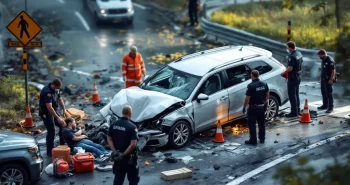
- Immediately call 911 for help if there are injuries after an accident with an uninsured driver.
- Seek medical care: If you suspect any injury, get professional attention. Stay consistent with follow-ups, as gaps in treatment can harm your claim.
- Call law enforcement: A police report can help prove who is at fault and whether the other driver has insurance.
- Do not leave the scene of the accident without calling the police, even if the accident seems minor.
- Gather evidence: Take photos of damage and the crash scene. If safe and possible, collect names and contact details for any witnesses. Gather as much information as possible about the accident, the other vehicle, and the other driver.
- Notify your insurer: Let them know you have been in an accident involving an uninsured or underinsured driver, and you intend to file a claim.
These immediate steps set the groundwork for a smoother claims process. Even if you feel unhurt, it’s wise to have a doctor evaluate you to catch any hidden injuries, such as whiplash or a mild concussion.
Maximizing Compensation Through Uninsured Motor Vehicle Coverage
Maximizing your compensation often comes down to thorough documentation and prompt action. Getting an official diagnosis quickly helps confirm that your injuries directly result from the accident. Keeping a folder or digital archive of every relevant receipt, medical record, and police report ensures you have all the evidence at your fingertips when you speak with your insurer or legal counsel.
You should also consider talking with motor vehicle accident lawyers who know how to negotiate effectively with insurance companies. If settlement talks stall or if your insurer tries to minimize your claim, an attorney can help you explore options beyond standard negotiations, such as arbitration or even a motor vehicle accident lawsuit in some cases. Their goal is to advocate for the fullest compensation you deserve, so you do not bear the financial brunt of another driver’s lack of insurance or inadequate liability coverage.
Filing an uninsured motor vehicle accident claim may initially seem daunting, but knowing the steps to take and the documentation you need can dramatically simplify the experience. By understanding your policy limits, seeking legal support, and staying organized, you can improve your chances to recover a fair settlement. Take the time to explore these resources and processes whether it is speaking to a skilled attorney or double-checking your policy so you can face the aftermath of an uninsured motorist accident with clarity and confidence.
No Win, No Fee. Let the Best Motor Vehicle Accident Attorneys Fight for your Compensation!