What Are the Main Causes of Pedestrian Accidents?
 Fact Checked By Our Attorneys
We often hear people ask, “What are the main causes of pedestrian accidents?” If you or a loved one has been injured in such an incident, don’t wait get a free case review today to understand your rights and explore your options. At Legal Claim Assistant, we’ve seen firsthand how devastating these accidents can be, and we’re here to help you navigate the path to fair compensation. Click the button now to connect with experienced legal professionals ready to support you every step of the way.

No Win, No Fee. Let the Best Motor Vehicle Accident Attorneys Fight for your Compensation!
Table of Contents:

Pedestrian Accident Statistics: Understanding the Scope of the Problem
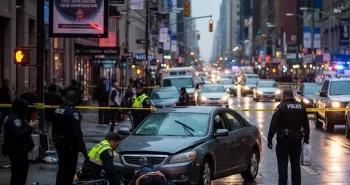
Pedestrian accidents continue to pose a widespread safety concern nationwide. Although vehicles have become more technologically advanced, the number of vehicle-pedestrian collisions remains troubling. According to the National Highway Traffic Safety Administration, pedestrian fatalities and pedestrian deaths continue to rise, highlighting the urgent need for greater awareness of traffic laws. In fact, pedestrian deaths increased roughly 80% between 2009 and 2023, reaching a 40-year high in the United States with 7,522 deaths reported, representing a 77% increase since 2010. In 2022 alone, more than 8,000 fatally injured pedestrians were killed in motor vehicle crashes in the United States, which equates to about one pedestrian death every 64 minutes, and approximately 140,000 pedestrians walking were treated in emergency rooms for non-fatal injuries after being hit by vehicles. From our perspective, a major reason for this is the sheer volume of personal and commercial traffic on many roads, especially around busy intersections where crossing streets and traffic volume are high. Urban settings account for 83% of pedestrian traffic deaths, with a significant number occurring at non-intersection locations where pedestrian crossing mid-block is common. It only takes one lapse in judgment, unsafe lane changes, or one aggressive maneuver to create a life-altering collision.
When a person is struck while on foot, the likelihood of severe harm is high. Broken bones and head trauma, along with substantial emotional trauma, are all too common. Serious injuries and fatalities tend to occur more frequently between 6 a.m. and 6 p.m., with a peak time between 3 p.m. and 6 p.m., while most pedestrian fatalities occur at night, particularly between 5:30 p.m. and 11 p.m. Despite various awareness campaigns, many pedestrian accidents occur because drivers fail to exercise reasonable care, fail to see or yield to those crossing streets at designated marked crosswalks or unmarked crosswalks. Approximately 75% of pedestrians struck occur after dark, with 40% of these fatalities happening in areas completely lacking traffic lights. Understanding the root causes and risk factors can help us all become more proactive in reducing these incidents.
Common Causes of Pedestrian Accidents
Many factors can lead to a pedestrian being seriously hurt in a crash. Generally, they involve some combination of road user errors and larger urban planning issues. Below are some key causes we see in many claims:
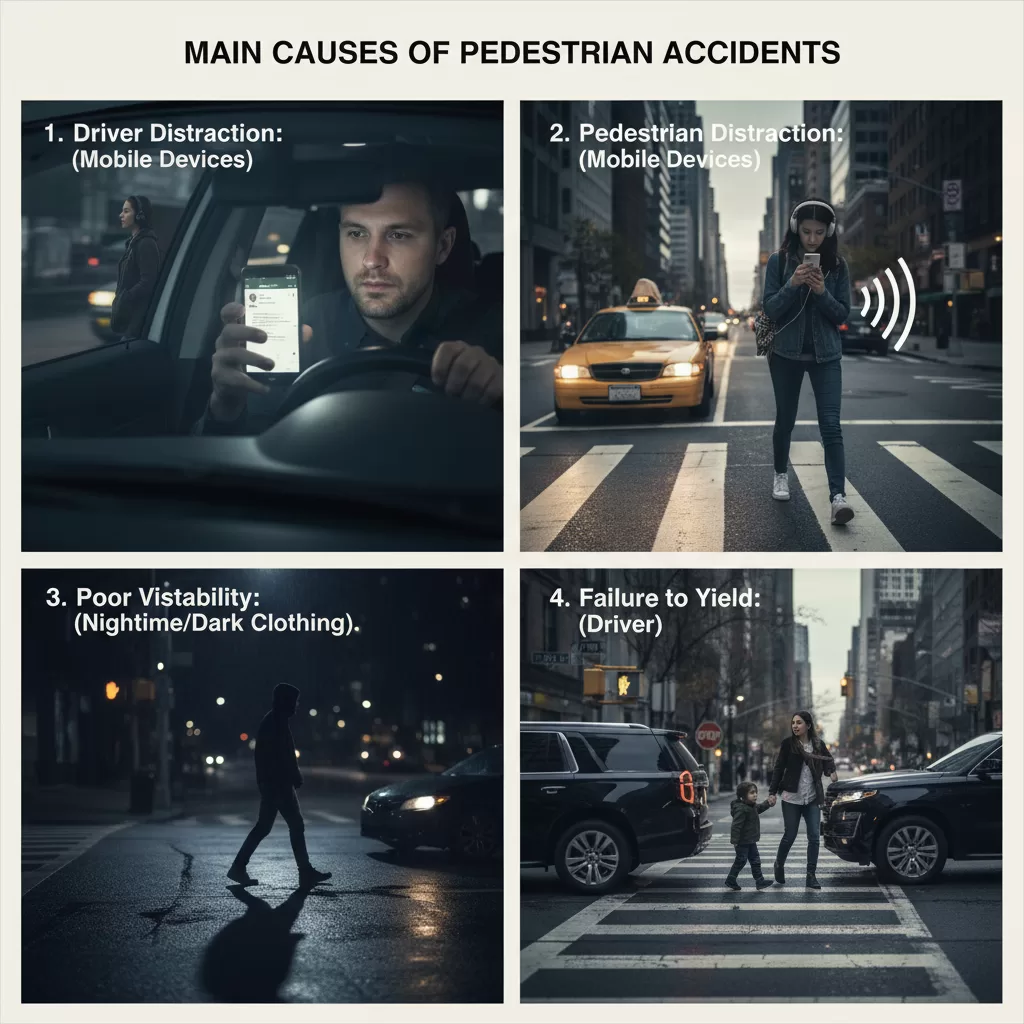
- Distracted or impaired driving, including distracted drivers using a cell phone or other electronic device, which is a major contributor to pedestrian accidents and a significant factor in many pedestrian crashes involving oncoming traffic
- Failure to yield the right of way at pedestrian crossing points, a common cause of pedestrian accidents, especially at intersections and during turns
- Reduced visibility at night or in poor lighting and bad weather, which increases the likelihood of pedestrian accidents; improving street lighting can significantly reduce this risk
- Careless pedestrian actions, such as jaywalking, distracted walking including cell phone use, and alcohol consumption, which significantly increase the risk of accidents
- Unsafe road designs or hazardous conditions that contribute to pedestrian crashes, including lack of sidewalks—a factor linked to 65% of pedestrian deaths in 2023—and poorly designed crosswalks
- Speeding and higher vehicle speeds dramatically reduce the survival chance of pedestrians; a pedestrian has a 90% survival rate at 20 mph but only 15% at 40 mph, making speeding a major contributor to both the likelihood and severity of accidents
- Alcohol impairment affects both drivers and pedestrians and is involved in nearly half of fatal pedestrian crashes, contributing to impaired judgment and awareness on both sides
- Inexperienced drivers who may not be fully aware of pedestrian safety rules, force pedestrians into dangerous situations, leading to poor decision making and increased risk
Although each accident has distinct elements, most involve at least one of these leading factors. For example, a pedestrian hit by car is often the result of a driver ignoring traffic laws or failing to see a person in a crosswalk. Recognizing these patterns is an important step in prevention, making it possible to target the behaviors or conditions that repeatedly lead to harm. Many studies, including Nasar et al, have analyzed how crashes involving male pedestrians occur more often during evening hours.
Driver-Related Causes of Pedestrian Accidents
Driver inattention stands out as a major contributor to accidents involving pedestrians. Distracted drivers, often using a cell phone or other electronic device, reduce their driver’s ability to detect pedestrians in time. Texting behind the wheel and other forms of distracted driving mean even brief intervals when eyes are off the road. In congested urban areas, seconds of distraction may prevent a driver from noticing someone in a crosswalk or on the shoulder. Negligent driving behaviors, such as distracted driving, significantly contribute to pedestrian accidents.
Another common driver-related cause is speeding. Higher vehicle speeds reduce the time available to react, while also increasing the injury severity and fatal injury risk if a collision occurs. Driving under the influence of alcohol or drugs further adds to this danger. No matter how cautious a pedestrian tries to be, an impaired driver can fail to brake or swerve in time to avoid a serious vehicle pedestrian accident. The risk of a pedestrian fatality increases significantly with vehicle speed; at 40 mph, the risk of death is 85%, while at 30 mph, it is 45%. Drivers making unsafe lane changes or making unsafe lane maneuvers also increase the likelihood of collisions at intersections. Pedestrians are particularly vulnerable at intersections and during turns, especially when signals change.
Pedestrian Actions That Contribute to Accidents
While many incidents happen because of driver negligence, unsafe or unpredictable pedestrian actions can raise the risk as well. Jaywalking is one of the biggest problems, especially in busy urban centers. When we dart between cars or enter the street away from a crosswalk, we make it harder for drivers to anticipate our presence.
Additionally, walking at night without reflective clothing or crossing in poorly lit areas makes it more difficult for others to see us. Wearing retroreflective materials can increase a pedestrian’s visibility to drivers at night. We have also encountered cases where distracted pedestrians are distracted by phones or headphones, and they miss changes in traffic lights or hazard signs. Alcohol consumption by pedestrians significantly increases their risk of being involved in accidents. If you or a loved one has been involved and suspect that there was some pedestrian fault, you may still have options through pedestrian accident claims, depending on the circumstances.
Environmental and Road Factors Leading to Pedestrian Accidents
Sometimes the environment itself can play a part in an accident. Poor visibility due to dark or rainy conditions impairs vision for everyone, making it easier for drivers to fail to spot someone. Icy or slick roads shorten reaction times, as cars can slide when attempting to brake. Infrastructure also counts: a lack of sidewalks or crosswalks increases the odds that people will walk alongside traffic lanes or cut across busy streets. Roadways that lack sidewalks are more likely to have pedestrian crashes. Divided roadways are generally safer for pedestrians compared to undivided roadways, as they provide refuge areas and shorter crossing distances.
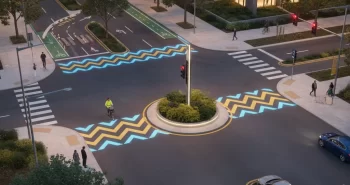
Construction zones often heighten risk by narrowing lanes or obscuring critical signage. Poorly placed road signs, low lighting, or missing guardrails can combine with heavy traffic to create a scenario where a collision becomes likely. Road design that includes features like bike lanes can enhance overall pedestrian safety by providing dedicated space for non-motorized travelers. We recommend local municipalities continue to invest in sidewalks, flashing beacons, and improved intersections to enhance public safety and reduce crashes involving pedestrians. These measures can be a powerful means of how to reduce pedestrian accidents citywide.
No Win, No Fee. Let the Best Motor Vehicle Accident Attorneys Fight for your Compensation!
Vehicle Types and Their Impact on Pedestrian Injury Risk
Certain types of vehicles tend to cause more severe injuries if they strike a pedestrian. The height and weight of a motor vehicle can dictate how force is distributed upon impact, affecting head and torso injuries in particular. SUVs and larger vehicles are more likely to cause severe injury or death in pedestrian accidents due to their size and weight. Below is an overview of how various vehicles compare:
| Vehicle Type | Potential Risk for Pedestrians |
|---|---|
| Compact/Standard Cars | Lower front end initially strikes the lower body |
| SUVs and CUVs | Elevated front end can cause greater torso impact |
| Trucks | Heavier mass results in higher impact forces |
| Motorcycles | Smaller profile but can cause severe trauma at speed |
| For instance, if someone is in a pedestrian accident at intersection involving a large pickup truck, the force delivered can lead to pedestrian accident injuries like head trauma or spinal damage. Understanding the linked risks can be essential in addressing claims for potentially higher pedestrian accident compensation. |
High-Risk Locations and Situations for Pedestrians
Not all places present the same risk. Intersections, major highways, or areas near busy shopping centers consistently exhibit higher accident rates. Rush hour traffic conditions often amplify the danger, as drivers rush to reach their destination while many pedestrians pop in and out of crosswalks. School zones remain another major concern, especially during pick-up and drop-off hours.
Nighttime is also a high-risk window. Reduced visibility, tired drivers, and fewer people on the streets may lower the perceived need for caution. As a result, many catastrophic accidents happen during late evening or early morning hours. Individuals who walk regularly in these conditions can reduce their exposure by wearing reflective gear or choosing routes with adequate lighting. Following speed limits and using marked crosswalks are essential preventive measures.
Case Studies: Real-Life Examples of Pedestrian Accidents
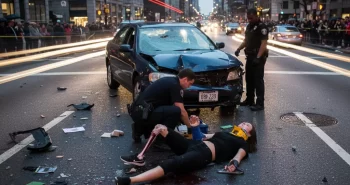
We have seen a range of scenarios, from a brief lapse on the part of a driver to pedestrian misjudgment that leads to grave consequences. One harrowing example involved a family member rushing across the road at dusk to catch a bus. The driver, who was checking a text message, never noticed the pedestrian until it was too late. That single moment of distraction caused severe head trauma and multiple fractures.
In another case, elderly pedestrians with limited mobility were navigating a construction area without clear signage. A turning delivery van failed to yield, resulting in lasting injuries. Pedestrian fatalities involving large trucks are more likely to occur at intersections, particularly affecting older pedestrians. While these incidents differed in their settings, both underscore the importance of accountability. Individuals who experience losses often pursue a pedestrian accident lawsuit to secure the resources needed to rebuild their lives.
Long-Term Consequences of Pedestrian Accidents
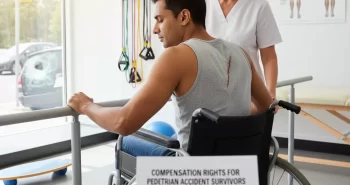
The aftermath of a serious collision frequently poses health, financial, and emotional challenges. Many injured pedestrians face surgeries, prolonged physical therapy, and pain management programs before regaining mobility. In some instances, victims endure life-long neurological complications that affect daily tasks or their ability to work. A pedestrian accident spinal injury or head trauma can mean ongoing care, adaptive devices, and a toll on one’s mental outlook.
Lost income and mounting medical bills add stress for families. We have known individuals who had to give up employment entirely, while others juggled new childcare or eldercare needs. If a loved one died due to a crash, filing a claim under pedestrian accident wrongful death statutes may bring some financial relief, though it cannot replace the person who was lost. Ultimately, long-term support can include therapy, reliable transportation, and of course, legal remedies to hold the at-fault party accountable.
How Legal Experts and Pedestrian Accident Lawyers Can Help
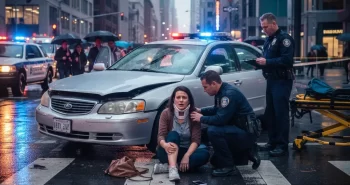
Navigating insurance coverage, police paperwork, and the complexities of fault can be overwhelming. If you’re involved in a pedestrian accident, it’s important to seek medical attention immediately. Calling the police to report the accident is critical, as they will document the incident for legal purposes. Gathering information from the driver and witnesses is crucial for filing insurance claim process and building a legal case. Document the scene of the accident with photos or videos can serve as critical evidence in legal disputes.
As we work with accident victims, we see that timely legal counsel is often critical. An experienced pedestrian accident lawyer can help gather evidence, negotiate with insurers, and ensure that all legal deadlines are met. They can also advise you if you are dealing with a pedestrian accident uninsured driver or if you need information on how long after pedestrian accident can you sue. The legal principle of comparative negligence allows for shared fault in pedestrian accidents, meaning victims can still recover compensation even if partially at fault.
If you believe you may be entitled to compensation, contacting a pedestrian accident attorney early in the process can give you a stronger case. A team from a reputable pedestrian accident law firm can recommend the right medical evaluations, gather witness statements, and evaluate settlement offers. At Legal Claim Assistant, we know how important it is to have someone on your side who can interpret traffic laws and protect your rights. Legal representation can help ensure that victims of pedestrian accidents receive fair compensation for their injuries and damages.
Above all, we aim to help victims rebuild their lives. By understanding what leads to pedestrian accidents, ensuring safe behaviors, and holding negligent parties accountable, we can work toward making the roads safer for everyone. If you or a loved one needs guidance, do not hesitate to explore your legal options. You do not have to face your recovery alone.
No Win, No Fee. Let the Best Motor Vehicle Accident Attorneys Fight for your Compensation!