Bicycle Accident Spinal Injuries and Compensation Rights
 Fact Checked By Our Attorneys

Bicycle accident spinal injury cases can be life-changing, and getting the right legal support is crucial to securing the compensation you deserve. Don’t wait take the first step toward justice by clicking the button below for a free case review with experienced professionals ready to help you navigate your claim and protect your rights.

No Win, No Fee. Let the Best Motor Vehicle Accident Attorneys Fight for your Compensation!
Table of Contents:

Understanding bicycle accident spinal injuries
When we talk about a spinal injury from a bicycle crash, we are referring to any damage to the vertebrae, discs, nerves, or surrounding tissues. While these physical injuries can be minor for some, they can also be severe, ranging from temporary discomfort to permanent paralysis or long term disability. The spinal column acts as the main support structure for the entire body, housing delicate nerves that control everything from movement to sensory function.
Velocity plays a key role in the seriousness of spine damage. Even a relatively low-speed collision can cause acute trauma, especially if a cyclist is thrown onto a hard surface. Neck and back pain are common first indicators of spinal injury, but symptoms often extend beyond simple aches. For instance, shooting pain, numbness, and tingling in the arms or legs may signal nerve compression in the cervical spine or other parts of the spinal cord. Symptoms of spinal injuries may take hours or days to develop after a bicycle accident, which is why immediate medical attention is crucial for spinal trauma victims to lessen the severity and permanency of their symptoms. Understanding and closely monitoring these symptoms can help inform the next steps for treatment and legal recourse.
Common types of spinal injuries in bicycle crashes
Spinal injuries in bicycle accidents typically fall into several broad categories. Identifying each type helps medical providers tailor treatment and also aids in building a precise legal claim.
One of the most common injuries is a herniated disc. The force from a crash can bulge or rupture the soft cushioning discs between vertebrae, causing intense pain or irritating nearby nerves. Herniated discs occur when spinal discs push out, causing pain and limited mobility. Fractured vertebrae also occur, where bones in the spine crack or break from high-impact collisions. Vertebral fractures may require surgery and cause instability. In more severe instances, spinal cord injuries can lead to partial or complete paralysis, with life-altering consequences for mobility and independence. Spinal cord injuries caused by bicycle accidents have increased by 200% between 2010 and 2013, and cervical spine injuries account for 71% of spinal cord injuries sustained in bicycle accidents. Concomitant cervical spinal cord injury (cSCI) was present in 12% of bicyclists with cervical spine injuries, with 12.5% suffering complete paralysis.
We also see whiplash-like injuries similar to those found in car crashes. While often associated with neck strain, whiplash pain can radiate through the shoulders, upper back, and even lower spine. Soft tissue injuries involve muscle strains and ligament sprains, which can cause chronic pain. Our experience suggests that prompt diagnosis and documentation are essential. Keeping a detailed record of all symptoms ensures that any spinal injury claim accurately reflects the extent of the trauma.
How spinal injuries affect long-term mobility and quality of life
Any form of spinal injury can disrupt day-to-day activities, from walking and lifting objects to simply sitting upright. Long-term mobility issues often arise when discs are severely damaged, or when spinal fractures have led to chronic instability. Many cyclists experience limited mobility as a long-term consequence of bicycle accidents, and mobility issues from spinal injuries can lead to a need for wheelchairs or other mobility aids. Physical complications of spinal injuries include high risk of pressure sores, deep vein thrombosis, and osteoporosis due to immobility. Individuals may have difficulty returning to work or resuming everyday tasks without regular physical therapy or in-home assistance.
Beyond physical limitations, these injuries can be emotionally taxing. Chronic pain or limited movement can lead to emotional distress, anxiety, and even depression. Psychological trauma due to spinal injuries can manifest as PTSD, depression, anxiety, and social isolation. Chronic pain and nerve damage may result from spinal injuries, leading to ongoing discomfort and muscle spasms. Bicycle accidents can lead to chronic pain that persists long after the initial injuries have healed. Emotional trauma is a vital part of overall recovery, and we encourage seeking professional mental health treatment in addition to medical care. When you pursue compensation for a bicycle accident spinal injury, it is important to account for potential future treatment costs, mental health services, and lost income or earning capacity. By recognizing the full spectrum of impact, including brain injuries and traumatic brain injury that often accompany head injury, you enhance your ability to claim the compensation you truly need for long-term recovery. Older cyclists face a higher risk of long-term injuries following bicycle accidents due to age-related factors.
Immediate steps to take after a bicycle accident causing spinal injury
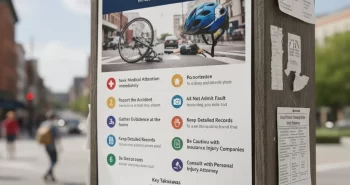
When a spinal injury is suspected, the first few hours following a bicycle accident are crucial. Here is how we recommend approaching those critical moments:
- Seek prompt medical attention. Even if you feel you have only minor aches, spinal trauma and traumatic brain injuries can be subtle and worsen without warning. Dial emergency services or visit the nearest hospital to get a thorough examination.
- Document the scene. If you are able, gather contact information from witnesses and take photos of your damaged bicycle, the road conditions, and any visible injuries. Capturing these details early helps you and any future legal teams reconstruct the incident accurately.
- Notify the authorities. A police report catalogs important facts such as who was involved and how the collision occurred. This report often becomes a key piece of evidence in bicycle accident claims. A police report helps establish when and how the bicycle crash occurred, documents witness statements, and identifies the at-fault driver, all of which support your claim later.
- Exchange information. Collect insurance and contact details from any drivers involved. If they are uninsured, you may still have options under your own policy, as highlighted in bicycle accident uninsured driver scenarios. The at-fault driver’s liability insurance typically covers your medical expenses if you were hit by a car while cycling.
- Follow medical advice. Once a medical professional gives you a treatment plan, adhere to it carefully. Changes in your physical condition can happen at any time, so consistent follow-up visits and therapy will protect both your health and your legal position.
By taking these steps, you start building a strong claim from the start. Failing to document the scene properly or delaying medical care can complicate the path toward fair bicycle accident compensation.
Gathering evidence for a bicycle accident spinal injury claim
Thorough evidence collection is essential when we pursue legal action for a bicycle accident spinal injury. It is usually beneficial to keep a well-organized file containing all relevant documents and notes. This file should include your medical records, radiology results, photographs of the accident scene, witness statements, and any communication from insurance providers.
Whenever possible, collect receipts and invoices for medical treatments, medication, rehab sessions, and any other accident-related expenses. Also, track any time you must miss work due to injury or ongoing rehabilitation. These records unify the story of how the incident occurred, the physical toll it took on you, and the financial impact it continues to have. In cases where liability is unclear, clear and consistent evidence often tips the balance in favor of the injured cyclist, especially when an at fault driver is involved.
No Win, No Fee. Let the Best Motor Vehicle Accident Attorneys Fight for your Compensation!
Medical documentation and expert evaluations
The backbone of a successful claim frequently lies in medical documentation. Accurate and detailed records help substantiate your injuries and connect them directly to the bicycle accident. This documentation can confirm whether your condition warrants long-term care or if a full recovery is expected.
Additionally, expert evaluations can be invaluable. A medical specialist’s written opinion on the extent of your spine damage can strengthen your negotiation stance with insurance companies. Expert testimony about your need for surgery, ongoing physical therapy, or specialized care may also persuade a judge or jury if you need to file a bicycle accident lawsuit. Often, we see that proactive engagement with medical professionals early in the process leads to a more streamlined claim.
Calculating compensation for bicycle accident spinal injuries
Determining the value of a claim depends on multiple factors, including the severity of the spinal injury, your total medical costs, and future rehabilitation needs. Our approach involves a thorough financial analysis of both present and projected expenses. For instance, you may require assistive devices, in-home nursing care, or vehicle modifications if your mobility is permanently impacted.
We also work to quantify non-economic damages, such as pain and emotional suffering. Because spinal injuries can limit everything from daily routines to career opportunities, you deserve recognition of these losses. When meeting with insurance representatives or defending your case in court, we recommend outlining each category of damages in detail, from immediate surgeries to potential mental health services. With a clear understanding of your expenses, you improve the likelihood of securing fair compensation.
Case studies: successful bicycle accident spinal injury claims
Real-life success stories can illustrate how diligent documentation and tenacity make a difference when pursuing a spine-related claim. In one case, a cyclist was struck by a driver who failed to yield, resulting in a fractured vertebra and a cervical spine injury. The cyclist collected extensive medical records, photographed the scene, and sought evaluations from a spinal specialist, which confirmed he needed ongoing physical therapy. By leveraging these detailed reports and evidence, he secured compensation for both current and future treatments.
Another example involves a cyclist who sustained a slipped disc along with nerve damage. She followed her doctor’s orders to the letter, tracking each therapy session and medication bill. Once negotiations with the insurance company stalled, she initiated legal action with the help of a bicycle accident lawyer. Consulting with a personal injury lawyer is one of the most important things you can do after experiencing a spinal cord injury from a bicycle accident. Under Missouri law, personal injury victims can seek compensation from the person or company whose negligence caused their spinal cord injury. Under Colorado’s modified comparative fault system, you can recover compensation if you were less than 50% responsible for the bicycle accident. Such outcomes underscore the importance of perseverance and meticulous record-keeping when severe spinal injuries are involved.
Preventing future injuries and protecting your legal rights
Preventing bicycling accidents is not always possible, but we can take practical steps to reduce risks. Wearing appropriate safety gear, such as a properly fitted helmet and reflective clothing, can lessen the impact of collisions. Wearing a helmet is associated with a lower rate of concomitant traumatic brain injury (TBI) among bicyclists. Bicyclists who consume alcohol are less likely to wear helmets compared to sober riders. Many cyclists choose to wear helmets and use other protective equipment, which studies show can make a significant difference in reducing head injury and traumatic brain injury. Improved road safety for bicyclists may be achieved through enhanced infrastructure and more bicyclists wearing helmets. Regular maintenance of your bicycle ensures your brakes, tires, and gears function correctly. Being aware of traffic patterns and staying alert to road hazards also helps minimize potential collisions. Cyclists should avoid dangerous routes and prepare for busy corridors to help prevent accidents that may lead to spinal injuries.
Nonetheless, if an accident does occur, knowing your legal rights can protect you from unfair liability claims or inadequate settlements. Remember to file an accident report promptly, save all medical invoices, and consult with professionals who understand bicycle accident law. If someone else’s actions caused your bicycle accident, a bicycle accident lawyer can help you pursue compensation for your medical expenses. By being proactive, you retain control of your situation and maintain the strongest possible position to fight for the settlement you deserve.
How a bicycle accident lawyer can help maximize your claim
Spinal injuries often spark contentious disputes with insurance companies, making legal guidance essential for a favorable outcome. An attorney with experience in bicycle-related litigation can navigate complex negotiations, manage ongoing communication with insurers, and gather the expert testimony required to build a compelling argument. In many instances, a lawyer’s involvement alone prompts insurers to take the matter more seriously, as they recognize you are prepared to defend your interests.
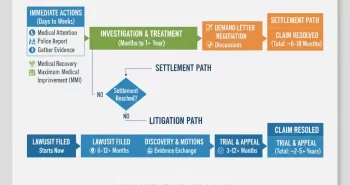
Beyond negotiation, an attorney can file a lawsuit when settlement offers do not fully address the costs and hardships you have incurred. We can also share resources about how long a claim may take, such as insights in how long does a bicycle accident claim take. At Legal Claim Assistant, we believe your focus should remain on healing and rebuilding your life. By entrusting the legal complexities to a professional, you can concentrate on restoring your health instead of worrying about every deadline and document.
Recovering from a bicycle accident spinal injury can be a long and challenging journey, with approximately 30% of patients experiencing rehospitalization after the initial injury, but you do not have to face the process alone. With a clear understanding of the steps involved and the right allies on your side, you stand a far better chance of securing the compensation necessary to move forward. We encourage you to stay informed, seek expert help, and keep detailed records to strengthen your claim. A thorough approach may help you rebuild your physical and financial well-being as effectively as possible.
No Win, No Fee. Let the Best Motor Vehicle Accident Attorneys Fight for your Compensation!