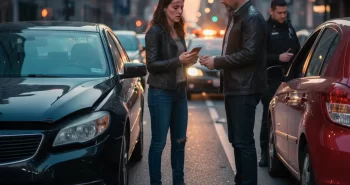
Is Uber Liable for Accidents Involving Their Drivers?
 Fact Checked By Our Attorneys

Is Uber liable for accidents involving their drivers? This question often comes up after a rideshare crash, especially when passengers or other motorists are unsure who will cover medical bills or property damage. We understand that the legal landscape around rideshare accidents can be confusing and emotionally draining to navigate. In this article, we will explain how liability is determined, when Uber might be held responsible, and what steps you can take after a rideshare collision.

No Win, No Fee. Let the Best Motor Vehicle Accident Attorneys Fight for your Compensation!
Table of Contents:

Understanding Uber Liability in Accidents
Uber’s business model centers on connecting passengers with independent contractor drivers through an app. Unlike a traditional employer-employee relationship, this framework can complicate how insurance coverage and legal responsibility are assigned. We often see confusion over whether Uber has an obligation to compensate victims or if the driver must handle everything personally.
From a legal standpoint, Uber typically maintains commercial policies that may cover accidents under certain circumstances. However, the decision about whether Uber is liable depends heavily on the specific facts of the crash, including whether the driver was actively using the app and transporting a passenger.
When Uber Drivers Are Considered Independent Contractors
Because Uber drivers are labeled as independent contractors rather than employees, Uber usually limits its liability for ordinary negligence. As independent workers, drivers have the freedom to create their own schedules, use their own vehicles, and choose which rides to accept. This difference in status reduces Uber’s direct control over how drivers operate on the road.
Courts often look at factors such as how much oversight the company has, whether it sets schedules, and whether it provides vehicles. When these elements are minimal, it supports the argument that the driver is truly independent. Even so, this does not mean Uber is never liable for accidents. Rideshare liability can shift based on the driver’s status at the time of the crash.
Situations Where Uber May Be Held Liable
Although drivers are considered independent contractors, Uber can be held partially accountable if certain conditions exist. For example, if the app’s design encourages risky driving behaviors or if Uber fails to enforce safety standards, it may open the door to an argument that the company bears some liability. Our experiences also show that if Uber knowingly allows unqualified or dangerous drivers onto its platform, victims may have grounds for a legal claim against the company.
Additionally, Uber’s commercial insurance coverage applies during specific windows. If the driver is in route to pick up a passenger or currently transporting a passenger, Uber’s policy generally offers higher coverage limits than if the driver is merely logged in but waiting for a ride request.
Are Uber Drivers Personally Liable for Accidents?
In many scenarios, Uber drivers can be personally liable for crashes. If a driver causes a collision by running a red light or speeding, the driver’s personal auto insurance might be the first line of coverage, especially if the driver was not actively transporting a passenger at the time. We have seen situations where the driver’s insurance disputes a claim on grounds that the vehicle was being used for commercial activity. That is why it is crucial to determine which policy applies the moment an accident occurs.
For anyone who is curious about their options after a rideshare collision, our rideshare accident attorney page explains how legal counsel can help protect your rights. Whether or not you can hold the driver personally accountable often depends on the driver’s insurance limits and the level of coverage Uber provides.
How Liability Differs by Ride Status: App On, En Route, Passenger Onboard
Uber’s liability shifts based on the driver’s status in the app:
- App on, no ride request accepted: If a driver is logged into the Uber app and awaiting a ride, limited coverage may be provided by Uber if the driver’s personal insurance does not cover the accident.
- En route to pick up a passenger: Uber’s third-party liability coverage may increase. This coverage can help pay for damages if the driver is at fault in this phase.
- Passenger onboard: Once a passenger is in the car, Uber typically provides the highest levels of coverage. This higher-limit policy usually protects both passenger and driver in the event of an accident.
It is vital to confirm the driver’s status at the time of the crash. The difference between having a passenger onboard and simply having the app active can be significant, especially if you need to file an uber accident lawsuit or insurance claim.
Common Rideshare Accident Scenarios and Case Studies
Rideshare collisions arise in a variety of circumstances:
- A driver rushes to accept a new ride request and rear-ends another vehicle.
- A passenger is injured because the Uber driver was distracted by their phone’s navigation.
- Another driver runs a red light and hits an Uber driver who is mid-route.
In each of these cases, the question “is Uber liable for accidents?” hinges on the app status, type of negligence involved, and whose actions caused the crash. We have encountered numerous incidents where the driver’s personal insurance denies coverage, thereby forcing victims to seek damage recovery under Uber’s policy. If you are unsure which route to take, our what to do if your uber crashes resource offers practical steps for rideshare accident situations.
No Win, No Fee. Let the Best Motor Vehicle Accident Attorneys Fight for your Compensation!
Insurance Coverage Provided by Uber and Lyft
Uber and Lyft both provide tiered insurance coverage that changes based on whether the driver is waiting for a request, en route, or transporting a passenger. While the coverage structure between the two platforms is similar, exact limits can vary from state to state. For instance, the driver’s personal auto policy often is primary while the driver is waiting for a ride. Once a trip begins, Uber’s or Lyft’s commercial policy typically takes effect, subject to policy terms.
It is important to note that Uber’s coverage does not automatically guarantee payouts in every accident. Insurers might challenge liability claims or debate whether the driver really was on the app at the time. At that point, an experienced rideshare accident law firm may be needed to advocate for a fair settlement.
Steps to Take Immediately After a Rideshare Accident
Whether you are a passenger in the Uber, a pedestrian, or the other driver, these actions can help protect any future claims:
- Check for injuries. Seek immediate medical attention if necessary, even for minor pain.
- Contact law enforcement. Ask for a police report that documents the scene and identifies all parties.
- Document evidence. Collect photos of your injuries, vehicle damage, and the accident scene.
- Exchange information. Get the driver’s insurance details and note whether they were using Uber’s app.
- Notify Uber. Inform them about the accident through the app or by contacting customer support.
If you have more questions about pursuing compensation, our overview of can i sue uber for an accident offers tips on how to move forward with a potential claim.
How Comparative Negligence Affects Uber Accident Claims
In comparative negligence states, multiple parties can share fault for an accident. If you partly contributed to your injury—for example, by not wearing a seatbelt—the compensation you receive might be reduced by your percentage of blame. We see cases where both a driver and a third party share liability, and state rules may either split damages or completely bar recovery if your portion of fault is too high.
When comparative negligence applies in a rideshare context, it is essential to gather evidence supporting your claim that the Uber driver, another motorist, or even Uber itself bears the bulk of responsibility. Depending on your state, you might still be entitled to partial compensation. These nuances are common reasons why victims seek professional help when negotiating with insurers during an uber accident settlement.
How Legal Claim Assistant Can Help You After a Rideshare Accident
Our team at Legal Claim Assistant is dedicated to helping you understand your legal options after a rideshare collision. We know how overwhelming it is to face medical bills, insurance hurdles, and uncertainty about whether to hold Uber, the driver, or others accountable. We walk you through every step—from documenting evidence to filing a claim—to ensure your case is handled swiftly and fairly.
If you were hit by an Uber driver or injured in an uber accident as a passenger, we are here to offer clarity on your next moves. We can also connect you with a rideshare accident lawyer who has experience holding the right parties accountable. Rideshare companies often have robust legal teams, but with the right guidance, you can secure the compensation you deserve for medical expenses, lost wages, and pain and suffering.
Understanding whether Uber will be held liable in your situation is critical to recovering financially and emotionally. We hope this overview clarifies the basics of rideshare liability and shows you the pathway to protect your rights. If you need personalized support, Legal Claim Assistant is ready to help.
No Win, No Fee. Let the Best Motor Vehicle Accident Attorneys Fight for your Compensation!


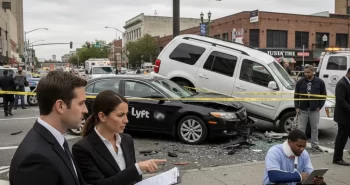



We explain uber accident settlement calculations, outlining factors, injuries, liability,…