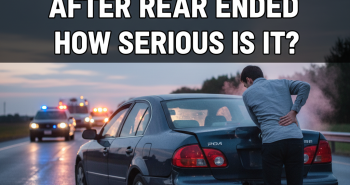
Getting Rear Ended While Stopped Who Is at Fault?
 Fact Checked By Our Attorneys

Being involved in a collision is always alarming, but getting rear-ended while stopped can feel especially unexpected. Whether we are waiting at a red light or idling in standstill traffic, we often assume that everyone behind us is paying attention, allowing enough space, and prepared to slow down. Unfortunately, reality does not always follow that assumption. Rear-end collisions are among the most common types of accidents on the road, and they can lead to serious consequences for everyone involved.
In the aftermath of such a crash, we may wonder who is at fault, what steps we should take, and how we should handle insurance claims or legal proceedings. At Legal Claim Assistant, our goal is to help individuals understand their rights, navigate the claims process, and connect with qualified attorneys so they can pursue fair compensation. In this article, we will explore the specifics of getting rear-ended while stopped, the reasons these accidents occur, how to determine who is ultimately responsible, and what victims can expect when seeking a settlement or hiring an attorney.

No Win, No Fee. Let the Best Motor Vehicle Accident Attorneys Fight for your Compensation!
Table of Contents:

What does getting rear-ended while stopped mean?
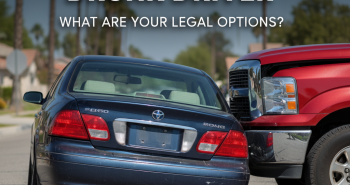
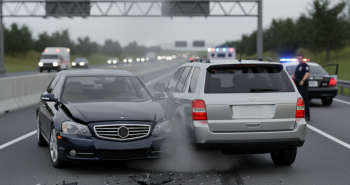
Getting rear-ended while stopped refers to a traffic collision in which a stationary vehicle is struck from behind by another moving vehicle. Common scenarios include being at a stop sign, sitting in heavy traffic, waiting at a red light, or pausing to make a turn. Since the impacted vehicle is not in motion, these collisions can feel particularly jolting when they occur. Even a relatively low-speed impact can have serious consequences because the person in the stopped car often has little opportunity to brace or prepare for the collision.
When we talk about rear-end collisions, we are generally referring to instances in which the driver in back fails to maintain proper distance and control of their vehicle. However, multiple factors can contribute to these crashes, including poor communication, weather conditions, or unexpected maneuvers. It is crucial to understand both the causes and the potential injuries to assess what steps to take afterward.
Common causes of getting rear-ended while stopped
There are several reasons why rear-end collisions happen when one vehicle is stopped. From distracted driving to lighting issues, each situation can be unique. However, the most frequent causes include:
- Driver distraction or inattention: Motorists often look at their phones or become momentarily distracted, leading to a failure to notice a stopped car in time.
- Tailgating: When drivers follow too closely, there is insufficient space to react if the lead vehicle stops suddenly, drastically raising the risk of collision.
- Speeding or braking issues: Excessive speed reduces braking distance and reaction time. In some cases, vehicles may have faulty brakes or poorly maintained systems, making it difficult to stop.
- Adverse weather conditions: Rain, snow, or icy roads can cause cars to slide or take longer to come to a complete halt, increasing the chance of rear-ending a stopped vehicle.
- Limited visibility: Poor lighting, fog, or sun glare may lead a following driver to misjudge their stopping distance or fail to see a vehicle that is not moving.
Recognizing these factors helps us see that while rear drivers often shoulder much of the blame, other elements can also play a role. Regardless of the underlying cause, safety is compromised when one car plows into another from behind.
Why being stopped increases injury risk
When a vehicle is in motion, its driver and passengers move along at a specific velocity. During an accident, inertia and seatbelts can help absorb some of the impact. However, when our car is completely stopped, we lack the forward momentum that might otherwise distribute energy upon collision. Instead, the force from the striking car transfers directly into our stationary vehicle, leading to a sudden and forceful jolt.
In addition, drivers and passengers who are stopped tend to be less prepared for a collision, physically and mentally. If we are waiting at a red light, for instance, we may not be actively gripping the wheel or tensing our muscles. This lack of preparation can amplify the effects of whiplash or other injuries because the body is not braced in anticipation of impact. Furthermore, the seatbelt may fit differently if a driver or passenger is relaxed rather than actively driving, which can contribute to more severe injuries in some cases.
All of these details emphasize how seemingly minor rear-end collisions can lead to unexpected, serious harm. Even at low speeds, the shock of being hit from behind without warning can result in lasting pain or significant medical setbacks.
Typical injuries from getting rear-ended while stopped
Rear-end collisions frequently cause a range of bodily injuries. Whiplash is perhaps the most common, as the sudden force causes a rapid back-and-forth motion of the neck. Symptoms of whiplash may include neck stiffness, migraines, and chronic discomfort that can last for weeks or months. Additionally, many accident victims report back pain after being rear ended. Even slow-speed impacts can result in spinal disc injuries or muscle strain.
We often see headaches or concussion-like symptoms too, particularly if a victim’s head hits the headrest or seat frame. In more severe scenarios, internal injuries, broken bones, or nerve compression in the arms and shoulders can develop. The intensity of injury usually depends on factors such as impact speed, the angle of the collision, and a victim’s overall health.
It is vital for anyone involved in a rear-end collision to consult a medical professional promptly. Some injuries, like mild concussions or spinal injuries, might not reveal themselves until hours or days after the accident. Timely evaluation and treatment help prevent further complications and pave the way for a smoother recovery path.
Rear-ended while stopped injury: Case studies
Real-world examples highlight just how life-altering these collisions can be. Consider a 35-year-old office worker who was rear-ended while stopped at a busy intersection. Although the impact occurred under 15 miles per hour, she suffered severe whiplash and persistent back pain that forced her to take extended leave from work. Over the following six months, she required physical therapy and multiple visits to a chiropractor to manage her discomfort.
Another example involved a pregnant passenger who was rear-ended on a highway off-ramp. Fortunately, the collision was not severe enough to harm the unborn child, but it prompted ongoing prenatal evaluations to ensure no complications arose later. Even minor collisions can have wide-ranging effects, which is why we advise individuals to seek medical assessment as soon as possible. Each accident is unique, but these scenarios illustrate the profound impact a seemingly low-speed incident can have on health, finances, and daily life.
Determining fault in rear-end collisions while stopped
Fault is a central question that arises after getting rear-ended while stopped. In many jurisdictions, traffic laws assume that the driver who strikes another vehicle from behind is primarily at fault, since they are expected to maintain a safe following distance. This so-called “duty of care” requires each motorist to drive in a manner that avoids collisions when vehicles ahead slow or stop.
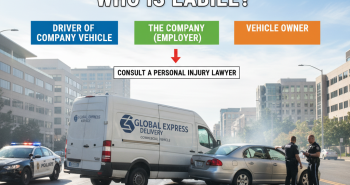
Nevertheless, there may be exceptions. For instance, if the lead vehicle’s brake lights were non-functional, or if the lead driver made an abrupt lane change and slammed on the brakes without signaling, a portion of fault could shift. Similarly, multi-car pileups can complicate liability, especially when one impact pushes a vehicle into another through no fault of the middle driver. Proving fault can be challenging, and evidence such as dash camera footage, witness statements, and the police report can provide clarity.
Although the assumption often favors the stopped driver, insurance companies and legal professionals will closely examine all the details to determine overall or shared responsibility. Documenting the accident scene thoroughly and reporting any non-compliance by the other driver can safeguard your interests in the future.
No Win, No Fee. Let the Best Motor Vehicle Accident Attorneys Fight for your Compensation!
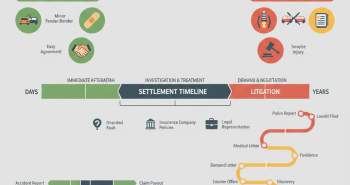
Getting rear ended while stopped settlement: What to expect
Many individuals wonder how financial recovery works after a rear-end accident and what they can reasonably expect in a settlement. Typically, accident victims can receive compensation for various losses, including medical bills, lost wages, pain and suffering, and property damage. The specific amount depends on several factors, such as the severity of injuries, the duration of medical treatment, whether there is permanent disability, and the clarity of fault.
For example, if you incurred extensive medical costs and missed weeks of work, the claim value might be higher than if you only needed a brief check-up. Insurance adjusters often negotiate settlements based on medical documentation, receipts, and evidence of long-term effects. Because every situation is unique, it can be helpful to read more about i got rear-ended how much money will i get to gain a better sense of what compensation might look like.
Victims who face substantial medical expenses or experience ongoing pain often discover that initial settlement offers from insurers are lower than their anticipated costs. Engaging legal guidance can help ensure a fair resolution that reflects the full scope of your losses.
Steps to take immediately after being rear-ended while stopped
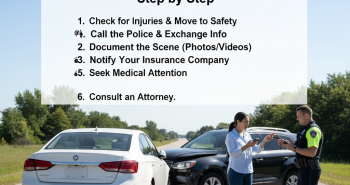
Knowing how to respond right after the accident can safeguard your health, legal rights, and financial well-being. Here are some essential steps to consider:
- Check for injuries and call 911: Prioritize your safety and that of any passengers by seeking immediate medical attention if needed.
- Move to a safe location: If possible, relocate your vehicle out of active traffic lanes to prevent further collisions.
- Contact the authorities: A police report can serve as valuable evidence for legal or insurance claims.
- Gather evidence: Document the scene with photos, note witness information, and exchange insurance details with the other driver.
- Seek medical evaluation: Even if you feel fine initially, a medical check can detect injuries that might reveal themselves later.
- Notify your insurer: Report the accident promptly to ensure your coverage remains valid and the claims process proceeds smoothly.
For more guidance, we invite you to review our recommendations on what to do when you get rear ended. Taking these steps preserves critical information and helps protect your right to pursue proper compensation.
Working with insurance companies after a rear-end collision
After addressing immediate safety and medical concerns, the next step often involves communicating with your insurance provider and, in some cases, the other driver’s insurer. While insurers are meant to help you recover costs, adjusters prioritize limiting their company’s payouts. This can occasionally lead to undervalued settlements or delayed claims.
We recommend keeping thorough records of every conversation, email, and piece of evidence you submit. If you encounter resistance or believe you are not receiving a fair evaluation, consider reaching out to a legal professional with experience in rear-end collisions. An experienced rear end accident law firm can negotiate on your behalf, ensure that critical documentation is presented, and fight for the compensation you deserve.
In more complex situations, you may need to engage in arbitration or file a lawsuit if a settlement cannot be reached. Throughout this process, maintaining accurate records and retaining legal counsel often yields the best outcomes for injured parties.
How a rear-end accident attorney can help you
Navigating the legal landscape after a rear-end collision can feel overwhelming, especially if you are also coping with injuries and medical visits. A seasoned attorney brings crucial expertise to guide you through insurance negotiations, help you file claims within required timeframes, and gather evidence to strengthen your case. They work as your advocate, striving to secure fair compensation for your medical expenses, lost wages, and any pain or suffering endured.
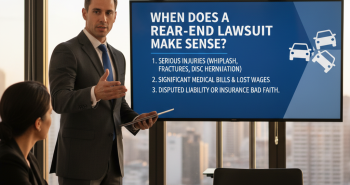
Our team at Legal Claim Assistant can connect you with a skilled rear end accident attorney who understands the nuances of these cases. By reviewing police reports, analyzing vehicle damage, and consulting with medical experts, attorneys can build a compelling argument on your behalf. If you have concerns about taking legal action, you might wonder, “i was rear ended should i get a lawyer?” In many cases, the answer is yes, especially when you have injuries or face significant financial losses that stem from the accident.
No Win, No Fee. Let the Best Motor Vehicle Accident Attorneys Fight for your Compensation!