What Does Rear Ended Mean in a Car Accident?
 Fact Checked By Our Attorneys

When we talk about “rear ended meaning” in the context of a car accident, we usually picture a vehicle striking the back of another. In everyday conversation, it sounds straightforward: the car behind collided with the car ahead. Yet, the way insurers, police, and legal professionals define or interpret this term can become surprisingly intricate. We know from working with everyday drivers involved in collisions that what initially sounds like a simple phrase can carry critical consequences for fault, liability, and compensation.
Rear end collisions are among the most common types of crashes on the road. They can happen while stopped at a traffic light, during rush-hour traffic, or because of sudden braking in bad weather. The meaning behind “rear ended” does not simply establish that one driver was following too closely. Instead, it shapes who is presumed to be at fault, how claims are processed, and whether an injured party might qualify for a financial settlement. Below, we explore what “rear ended meaning” really entails in a legal and practical sense.

No Win, No Fee. Let the Best Motor Vehicle Accident Attorneys Fight for your Compensation!
Table of Contents:

Rear ended meaning in a car accident context
In a typical car accident context, “rear ended” captures one pivotal fact: a driver in a following position hit the rear bumper of another driver’s vehicle. The resulting damage can range from minor scratches on the bumper to catastrophic harm involving multiple vehicles.
We should note that “rear ended” refers to the point of impact rather than an official ruling about who caused the crash. Although many of us assume the driver behind is always to blame, the broader situation must be considered before confirming liability or insurance settlements. Understanding this nuance is crucial since it influences how you proceed with accident reports and insurance claims.
What is rear ended meaning under traffic and insurance rules
Under most state traffic laws, “rear ended meaning” revolves around the idea that a driver should maintain enough distance to stop safely if the car ahead suddenly brakes. Insurance companies often apply a similar principle, commonly referencing the “following too closely” rule. If the vehicle behind fails to keep that safe distance, the insurer or investigating officer might interpret this as clear evidence of negligence.
As a result, the driver who made contact with the rear of another vehicle frequently faces a higher burden of explaining why they are not at fault. The exact definition of “rear ended” can also influence how claims are processed. Some policies impose specific rules based on the nature of the collision, including the direction of the impact and how many vehicles were involved.
Rear ended accident meaning vs legal fault presumption
The term “rear ended accident meaning” is often linked to a presumption of fault, but it is important to distinguish between a practical definition and an official fault ruling. Even though many courts and insurance carriers presume the rear driver caused the crash, this assumption is not ironclad. Contributing factors—like a sudden lane change by the front car or a non-functioning brake light—could allocate blame differently.
We have seen situations where the driver in front reversed unexpectedly or neglected to fix a broken signal. In these scenarios, the label “rear ended” still applies, but the liability might not rest entirely on the driver who was behind. This is why investigating officers often look for clues in each driver’s statement, available evidence, and physical damage to both vehicles.
Vehicle rear ended meaning and how insurance companies define it
When insurers talk about “vehicle rear ended meaning,” they primarily want to confirm how the collision happened. They ask for details of the crash, examine photos of each car’s rear and front damage, and review any witness statements. They might even compare dash cam footage to the statements of both drivers.
Some insurance providers rely on standard policy language that automatically assumes the trailing driver is at least partially responsible. Others conduct an in-depth inquiry to see if the front driver’s careless behavior or road conditions contributed to the collision. This difference in approach can significantly affect how much compensation is offered and the speed of claim resolution.
Rear ended accident meaning in police reports and crash records
Police reports and official crash records usually use the term “rear ended” in a straightforward way—to describe that one car hit the back of another. Officers often note when a driver is found at fault, referencing local traffic rules about following distances. However, the formal use of “rear ended” in a police report is not a fixed liability determination for every insurer.
Often, the police record lists “Unit 2 rear ended Unit 1,” then expands on any supporting details. While the official narrative can heavily influence insurance outcomes, it is not the sole factor. A thorough investigation might reveal additional complexities, especially if multiple vehicles were involved or if conflicting statements emerge.
No Win, No Fee. Let the Best Motor Vehicle Accident Attorneys Fight for your Compensation!
Why rear ended meaning matters for injury and compensation claims
Our experience shows that clarifying the meaning of “rear ended” is critical if you need medical treatment or are seeking compensation. Many rear end collisions result in soft tissue injuries, such as whiplash, that may take days or weeks to reveal their full extent. If the insurance adjuster sees the words “rear ended,” they could immediately categorize the incident as the rear driver’s fault and proceed with a settlement approach that might favor the front driver’s claim.
In turn, if you were the one struck from behind and suffered injuries, understanding how this classification works strengthens your position when filing a claim. The sooner you secure proper documentation of your injuries, the more effectively you can show the connection between the collision and your medical care.
Common misunderstandings about rear ended meaning used by insurers
We have noticed some recurring misconceptions about the term “rear ended” when people talk to insurers. These misunderstandings can lead to confusion, so here are key points to keep in mind:
- “Rear ended” always means the driver in back is 100% at fault.
- A police report labeling it as “rear ended” automatically decides liability.
- If there is no damage to the front car’s bumper, it was not a valid rear-end collision.
- Minor collisions where you get tapped at low speed do not qualify as serious crashes.
- “Rear ended” is enough proof on its own for an automatic settlement.
Any of these assumptions can complicate or slow down the claims process. It is best to gather thoroughly documented evidence, witness accounts, and medical records to refute any misguided belief that might reduce a potential settlement.
Real case example where rear ended meaning was disputed
To illustrate how this definition can spark disagreements, we can look at a scenario involving two vehicles in stop-and-go traffic. The front driver braked suddenly for a jaywalking pedestrian. The second driver, although maintaining a seemingly safe distance, did not manage to halt in time and made contact with the rear bumper.
Initially, the front driver assumed the law automatically pinned fault on the car behind. But in later discussions, witnesses mentioned that the pedestrian was crossing illegally and the front car slammed on the brakes without warning. This context mattered. Insurance investigators eventually placed partial negligence on the pedestrian for unsafe crossing and concluded the front driver was only partially at fault, while the second driver also shared liability. Though it was still considered a “rear end” accident, the settlement negotiations accounted for multiple parties’ actions rather than blaming only the trailing driver.
How rear ended meaning affects fault, liability, and settlement value
Once insurers and investigators establish the nature of a “rear ended” crash, the debate moves on to fault, liability, and how much a victim might recover. In many jurisdictions, the trailing driver must produce strong evidence to overturn the assumption of fault. Evidence can come in the form of photos of the scene, security camera footage, or witness statements.
For the injured driver, this label can play a huge role in the final settlement value. A straightforward rear-end scenario often leads the injured party’s insurance claim to be processed faster, potentially with a higher payout if severe injuries are documented. However, any complicating circumstances—such as sudden lane changes or mechanical failures—can reduce or increase the settlement depending on how the blame is shared.
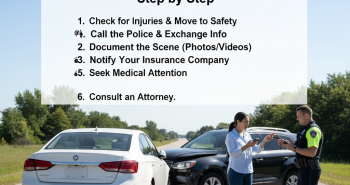
If you have been rear ended while stopping at a light, it can be helpful to review our resource on what to do when you get rear ended to protect your health and legal interests. You may also want to consult with a rear end accident lawyer if you are unsure who carries responsibility.
How Legal Claim Assistant helps after a rear ended accident
At Legal Claim Assistant, we focus on connecting accident victims with the support they need. Once you realize you have been in a rear end collision, we help clarify how “rear ended meaning” can influence your case. Our team works alongside experienced legal professionals who can examine local laws, gather evidence (like medical records or police statements), and build a strong argument in your favor.
We also understand that every situation is unique. If you are coping with injuries, lost wages, and mounting medical bills, letting our team evaluate your potential claim may be an important step. We strive to demystify the rear end accident process so you can pursue compensation with confidence. When you team up with us, you have a partner dedicated to guiding you through each stage, from initial consultations to referral to a trusted attorney if you decide to take legal action.
Ultimately, clarifying “rear ended meaning” is more than just a formality. It is a pivotal factor that can affect how quickly you receive a settlement, the extent of financial recovery, and your overall peace of mind. We encourage you to explore your options for professional help and never settle for uncertainty about your rights after being struck from behind.
No Win, No Fee. Let the Best Motor Vehicle Accident Attorneys Fight for your Compensation!