DOJ Finds California Women’s Prisons Failed to Protect Women From Staff Sexual Abuse
 Fact Checked By Our Attorneys
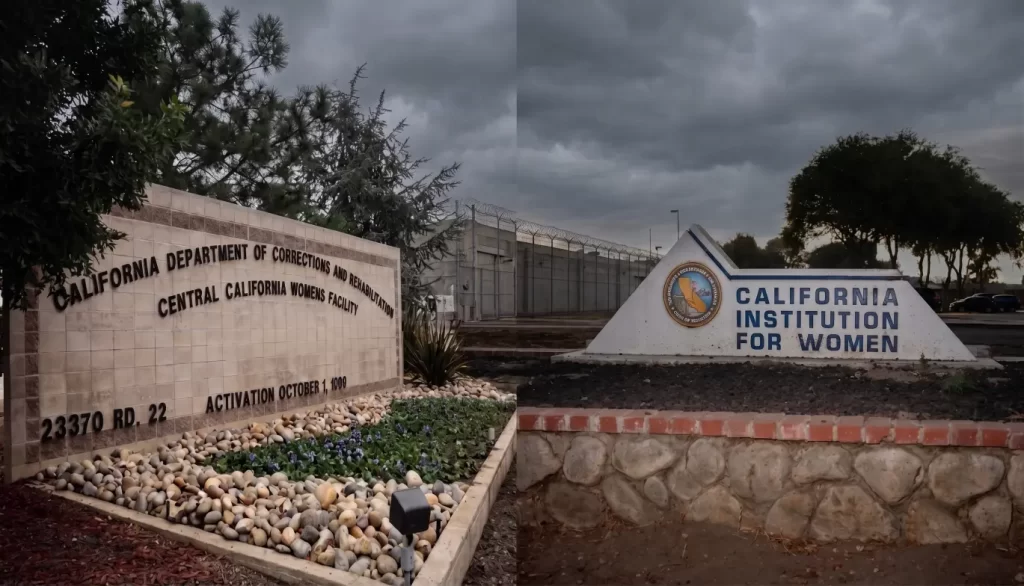
Table of Contents:

Key Takeaways
- On August 13, 2026, the DOJ found reasonable cause to believe that CCWF in Chowchilla and CIW in Chino violated women’s constitutional rights by failing to protect them from staff sexual abuse.
- The DOJ opened this investigation in September 2024, after hundreds of lawsuits from women held at these prisons, including one case tied to a former officer convicted on dozens of felony counts.
- The DOJ has given California 49 days to begin fixing the problems it identified, such as expanded camera coverage, better confidential reporting, and stronger investigation protocols, or it may file a federal lawsuit.
What the DOJ Found
After nearly two years of investigating, the DOJ concluded there is reasonable cause to believe that CDCR, CCWF, and CIW failed to protect women from sexual abuse and harassment by staff. The findings, released on August 13, 2026, describe problems that were built into how the prisons operated, not isolated incidents.
Investigators found a long-running pattern of staff sexual misconduct at both facilities. They also pointed to several system-wide failures that allowed the abuse to continue:
- Weak safeguards that failed to prevent abuse
- Confidential reporting systems that did not keep complaints private, including cases where staff could see grievances filed against them
- Poor investigation practices when women did report abuse
- A lack of real accountability for staff involved
The DOJ concluded these failures violated the women’s rights under the Eighth and Fourteenth Amendments and that both prisons failed to properly follow the Prison Rape Elimination Act (PREA), the federal law meant to prevent sexual abuse behind bars.
Harmeet K. Dhillon, who leads the DOJ’s Civil Rights Division, said the state knew what was happening and did not act
California’s Department of Corrections and Rehabilitation knew of repeated incidents of sexual assault and harassment against female prisoners, and failed to protect them.
A Quick Note There Are Now Two Separate DOJ Investigations at These Prisons
It’s worth pausing here to clear up something you may have seen in the news. In March 2026, the DOJ notified California of a second, separate investigation into CCWF and CIW. That investigation looks at a different question: whether housing transgender inmates in these women’s facilities violates the constitutional rights of other women held there.
Both investigations fall under the same federal law, CRIPA. But they are separate matters, looking into separate allegations. This article covers the first investigation, opened in September 2024, which led to the August 2026 findings on staff sexual abuse at both facilities.
Why Did the DOJ Investigate California Women’s Prisons?
The DOJ opened this investigation in September 2024 after finding what it called “significant justification” to look into both facilities. That decision followed a review of public information and input from people connected to the case, according to the department’s original announcement. Two patterns stood out.
The first involved CCWF. In the two years before the investigation opened, women held at the facility filed hundreds of private lawsuits. These lawsuits described alleged abuse by correctional officers going back years, ranging from inappropriate touching during searches to rape.
The second involved CIW. A separate lawsuit was filed on behalf of 21 women held there. It alleged forcible rape, coerced sexual acts, and threats of violence.
At the time, Assistant Attorney General Kristen Clarke, who then led the DOJ’s Civil Rights Division, described the stakes this way:
No woman incarcerated in a jail or prison should be subjected to sexual abuse by prison staff who are constitutionally bound to protect them.
Which California Women’s Prisons Did the DOJ Investigate?
The DOJ investigation covered two prisons, both run by the California Department of Corrections and Rehabilitation (CDCR). Together, they house thousands of incarcerated women.
| Prison | Location | Why It Was Examined |
|---|---|---|
| Central California Women’s Facility (CCWF) | Chowchilla | Alleged staff sexual abuse, including a former officer convicted on dozens of felony counts involving allegations from at least 22 women |
| California Institution for Women (CIW) | Chino | A lawsuit filed on behalf of 21 women alleging staff sexual abuse |
CCWF is the largest women’s prison in the country. CIW is one of the oldest women’s prisons in California. Both are state-run, and both were named directly in the DOJ’s investigation.
What Allegations Prompted the Federal Inquiry?
The lawsuits and the DOJ’s own review pointed to a pattern of alleged misconduct, not a single incident.
The allegations include:
- Sexual assault and rape by correctional officers
- Coercive sexual relationships, including demands for sexual favors in exchange for contraband or privileges
- Inappropriate searches and touching
- Threats and retaliation against women who reported abuse
- Failures to properly investigate complaints, including cases where the staff responsible for handling complaints were among those accused
One California law helps explain why so many lawsuits surfaced at once: Assembly Bill 1455 (AB 1455). This law gives survivors of sexual assault by law enforcement officers, including correctional officers, up to 10 years to file a civil lawsuit.
That window starts from either the date the officer left their agency or the date of their conviction, whichever comes later. In practice, this gave many women a legal path to sue years after the alleged abuse happened, even in cases that would otherwise have been too old to file.
The Case That Helped Trigger the Investigation
One case did more than any other to bring attention to conditions at CCWF: the case against former correctional officer Gregory Rodriguez. He was accused of raping or sexually assaulting at least 22 women over several years while working at the facility, and he faced 96 felony charges.
The case became a flashpoint. It prompted the California Legislative Women’s Caucus to hold a legislative briefing on sexual abuse and harassment in the state’s women’s prisons, with CDCR officials in attendance. It also drew wider public attention to conditions at both CCWF and CIW in the months before the DOJ investigation opened.
Rodriguez’s case is separate from the DOJ investigation. It moved through the criminal court system on its own track. In January 2025, a jury convicted him on dozens of felony counts, and he was later sentenced to 224 years in prison. But his case and the investigation are closely connected. The DOJ’s own announcement pointed to concerns raised by his case as part of what justified opening the federal inquiry.
How CDCR and California Officials Have Responded
CDCR’s response struck a cooperative tone. Department spokesperson Will Matthews said the agency is committed to protecting the women in its care:
CDCR is fully committed to supporting victims of sexual assault and ensuring safe avenues exist for both incarcerated persons and staff to confidentially report misconduct.
Matthews said the department had already begun many of the required changes and pointed to independent audits that found both prisons compliant with federal standards as recently as 2024 and 2025. Advocates disagree. Emily Wonder of Sister Warriors said those audits use a low bar that lets abuse slip through.
The state now has 49 days to fix the problems or risk a federal lawsuit, covered later in this article.
What the Findings Could Mean for These Prisons
Now that the DOJ has found violations, the question shifts to what comes next. Cases like this often end in a binding agreement that forces a facility to change how it operates, sometimes for years.
The DOJ has done this before at women’s prisons. At the Edna Mahan Correctional Facility for Women in New Jersey, a similar abuse investigation ended in a court-enforced agreement requiring better supervision, stronger reporting, and real staff accountability. At the Topeka Correctional Facility in Kansas, another forced the state to overhaul how it handles sexual abuse.
California could be on the same path. The DOJ has already named the fixes it wants, and if the state does not act, it can take California to court.
Why Survivors and Families Are Closely Watching
For many survivors, a lawsuit is personal. It’s their case, their story, their fight. A federal finding is different. It says the problem was bigger than any one person’s experience.
That’s why survivors, families, and advocacy groups followed this investigation so closely. The DOJ’s findings confirmed what many women had said for years: that the abuse they described was part of a pattern, not a series of isolated incidents.
The findings don’t resolve every individual case. But for survivors who were often doubted or ignored, having the federal government confirm the pattern carries real weight.
What Happens Next
The findings start a clock. The DOJ has given California 49 days to show it is fixing the problems, or the government can sue the state under CRIPA to force changes.
The DOJ has already laid out what it expects. The required fixes include expanded camera coverage, safer and more confidential ways for women to report abuse, stronger investigations, better staff training and monitoring, and full compliance with the Prison Rape Elimination Act.
From here, a few things can happen. California may negotiate an agreement with the DOJ to make these changes, often overseen by a court. Or, if the state and the DOJ can’t reach a deal, the case could head to federal court.
What happens next could reach beyond CCWF and CIW. How California responds may shape how the state, and possibly others, handle oversight and accountability in women’s prisons going forward. We’ll update this article as the situation develops.
Understanding Your Legal Options
If you were held at CCWF or CIW and believe you experienced sexual abuse by staff, you may have legal options worth exploring. An attorney can review what happened, explain how the law may apply to your situation, and help you understand your rights.
Every case is different. Whether you’re eligible to file a claim depends on the specific facts involved. Speaking with an attorney does not obligate you to file anything. It simply gives you the information you need to make an informed decision.

Unveiling the truth about institutional sexual assault: understanding, seeking justice,…