What Color Is Asbestos? Legal Options
 Fact Checked By Our Attorneys
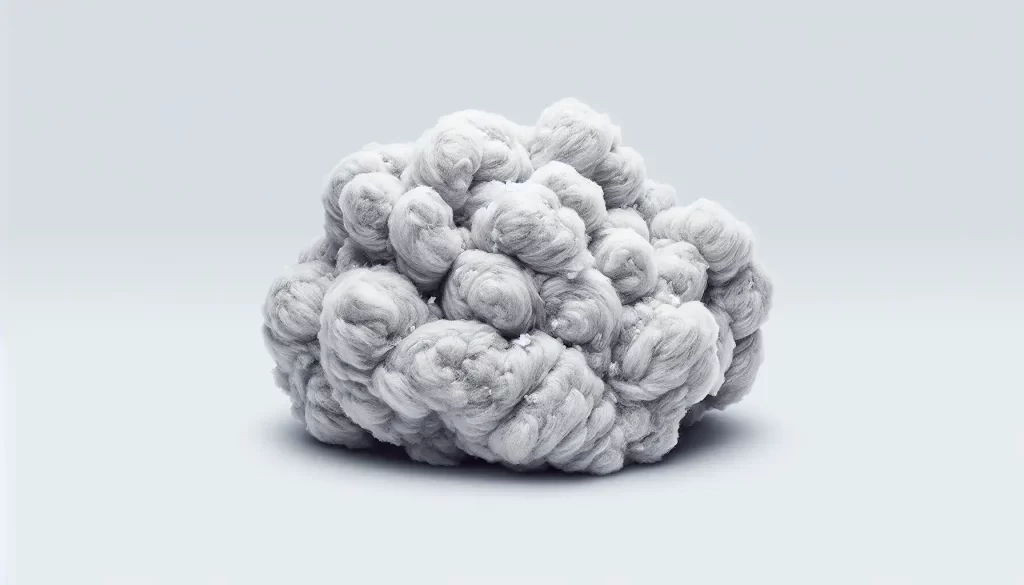
What color is asbestos and how can you take action if exposed? Asbestos comes in white, brown, blue, and green shades, but identifying it by color alone is unreliable. This page explains asbestos types and focuses on the legal steps to file a claim for compensation if you’ve been exposed.
Table of Contents:

Asbestos Types and Colors for Claims Documentation
Asbestos comes in a variety of flavors—or in this case, colors—and each has its own personality and quirks. Here are some of the more common types you’ll likely hear about:
- Chrysotile Asbestos (White Asbestos): This is the rock star of the asbestos world—most used, straight-up white. You’ll find this stuff struttin’ its stuff in roofs, ceilings, walls, floors, even in car brakes and gaskets. Basically anywhere you think it could squeeze into!
- Crocidolite Asbestos (Blue Asbestos): Think moody blues. It’s this blue-gray dude with needle-like fibers. Back in the day, folks used it for insulating steam engines.
- Actinolite Asbestos: Sporting colors from green to gray, sometimes with a bit of gloss, this one’s a show-off with various wardrobe choices.
- Amosite (Brown Asbestos): This one’s the brown, earthy character. Majorly used in cement sheets and pipe insulation, it knows how to blend in.
- Tremolite Asbestos: Does a chameleon act with shades from white and green to gray, and might just go see-through. Sticks around in the company of other types or in talc. Watch out—it’s carcinogenic.
Color Is Not Enough: Documenting Exposure
Relying on just the color can be a bit iffy. The world of asbestos isn’t all black-and-white (pun totally intended). Tiny fibers mean that you can have trouble really pinching down the culprit just by how it looks.
Here’s the kicker—materials age, conditions change, and what seemed obvious yesterday could fool you today. That’s why, really, you gonna need a pro and their fancy equipment to give you the lowdown and confirm if you’re dealing with asbestos.
Understanding asbestos colors can help document potential exposure for a legal claim. Always involve certified inspectors to verify and document asbestos presence.
What Color Is Asbestos Insulation?
Alright, let’s unpack this whole asbestos thing. If you’re trying to figure out what color asbestos insulation might be, you need to know a bit about the different types of asbestos and how they’re snuck into your insulation. We’re zooming in on the world of asbestos insulation to make sure you can spot it in your attic, walls, or those rusty pipes.
Common Types of Asbestos Insulation
First off, let’s talk about chrysotile asbestos, also called “white asbestos.” It’s like that chameleon of the construction world, turning up where you least expect it—roofs, ceilings, walls, floors, even your car’s brake linings and the odd boiler seal. This stuff is famous for being bendy and heatproof, which is why it got shoved into a ton of insulation products.
Then there’s amosite, or “brown asbestos” if you’re feeling fancy. It was big in the world of cement sheets and pipe insulation. This one’s easier to spot because of its earthy hue, making your detective work just a bit less tricky when scanning for that pesky asbestos in insulation.
Documenting Asbestos in Building Materials
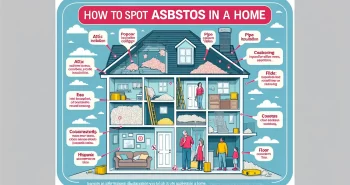
Spotting asbestos in your home sweet home isn’t as easy as looking for something green in a sea of oranges. Asbestos doesn’t just wear one outfit; it comes in different shapes and forms and plays hide and seek in various building materials. So, you can’t just rely on color to find it. You gotta think about when your house was made and what kind of materials were popular back then.
So, you’ve peeped into your attic or knocked on your walls, and you’ve found something fibrous, maybe in loose fill, wraps, or coatings. It’s looking suspicious, with that tell-tale durable and heat-resistant vibe. Thing is, just squinting at it isn’t gonna tell you if it’s asbestos or just some wannabe material.
If your asbestos detective senses are tingling, hit up the pros. They’re like the Ghostbusters of asbestos. They’ll run some tests and tell you what’s what, keeping you from low-key inhaling something you really shouldn’t. Get the pros involved to take a hard look and manage it safely if it’s asbestos.
Knowing what kind of asbestos might be lurking in your insulation and being aware of the signs is a big deal for keeping your place safe. If you do find yourself up against asbestos, don’t mess around—get the experts to handle things. It’s your health on the line, so treat it like the serious business it is.
Why Asbestos Color Can Be Misleading
Figuring out what asbestos looks like is important ’cause you can’t just rely on color to know if it’s there or not. There’s a bunch of stuff that can change how asbestos materials look, and it can be a real headache if you’re trying to spot it based on color alone.
Factors That Affect Asbestos Appearance
Asbestos fibers are tougher to see than you think—they’re like tiny, invisible ninjas in the air. When you mess with things like drilling or tearing stuff down, asbestos fibers can jump into the air (HASpod). You might not even notice yourself breathing them in, which is why you gotta get the experts in to do the testing and checkin’ for you.
The look of asbestos depends a lot on its crystalline makeup. How these crystals form and break apart has a big role in how tricky it is to pick out asbestos just by lookin’ (NCBI Bookshelf).
Hidden Asbestos in Building Materials
There’s more than one type of asbestos, and they all wear different colors. You got your chrysotile (white), amosite (brown), crocidolite (blue), and tremolite in the mix (NCBI Bookshelf). These minerals can be lurking in construction stuff like insulation, tiles, and roofs.
Sure, specific asbestos types might carry their own color badge, like white for chrysotile, but when you throw in other materials like binders and coatings into the mix, the plot thickens. It ain’t like mold or germs that grow and spread—it’s mined and mixed in while stuff’s being made (Indoor Science).
White asbestos, or chrysotile, is like the superstar of the asbestos world—everywhere and very useful. You’d see it in a ton of stuff like pipes, roofs, and even car brake pads (Asbestos.com). Since it pops up all over the place for all kinds of uses, relying on color for identification’s a big mistake. That’s why getting a pro to check it out is so important if you think you’ve got asbestos hanging around.
Professional Testing to Support Claims
If you’re like me and want to keep the home safe and sound, getting a grip on asbestos is a must-do, especially if you think you’ve got this sneaky stuff hiding around. Here, I’ll tackle what separates eyeballing your space from getting the pros in, and what those budget-friendly DIY asbestos test kits offer (and don’t).
Visual Inspection vs. Professional Testing
Visual Inspection
So, first up, a little snooping around the house. Gives you a peek at possible suspect areas. But, let’s keep it real: those tiny asbestos fibers can’t be seen with our naked eyes—they’re microscopic tricksters! Stirring things up through drilling or sawing might unleash these fibers into the air, creating a health hazard (HASpod).
During your spy mission, check for cracked or flaky materials. Common suspects: old insulation, some floor tiles, ceiling decorations, and pipe wrappings. Relying solely on visual checks isn’t enough, especially since asbestos can pull off the rainbow fashion like a pro (HASpod).
Professional Testing
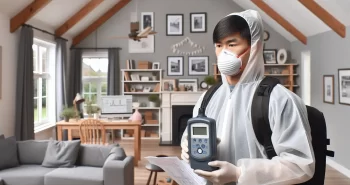
When you want the real score, professional testing is the way to go. Certified asbestos pros know their stuff and can scoop up samples safely. They send these off to fancy labs to confirm if those fibers are crashing your home’s party.
Besides, this method comes with a bonus security blanket—they make sure everything’s by the book, reducing risks of accidentally breathing in asbestos. If you’re scratching your head about potential asbestos issues, shelling out for professional testing is your best bet.
Evidence Collection for Legal Claims
Understanding DIY Asbestos Test Kits
For folks wanting to save a buck, those DIY asbestos kits seem like a sweet deal. They’re available everywhere and come with steps on swabbing material and mailing it to labs. But, let’s pump the brakes because the trustworthiness of these tests isn’t always top-notch.
Considerations for DIY Testing
Stick to the manual that comes with the kit like glue—it’s vital for pulling off an accurate sample. The major hiccup with DIY kits: you might not collect the goods right, or you might send in too little, tossing those results up in the air.
While DIY kits can be a starting point to flag asbestos presence, they won’t give you the full picture or peace of mind like hiring a professional does. If those results scream asbestos, jump into action pronto to fix things up and keep the gang safe at home.
Worrying over asbestos ain’t something to sweep under the rug. Whether you’re scoping out visuals, relying on the pros, or dabbling with a DIY kit, getting ahead of asbestos means smoother sailing in terms of safety and wellbeing at home.
Next Steps After Confirmed Exposure for Legal Action
Look, if you even think there might be asbestos in your home, don’t mess around. It’s not just old folks’ tales—this stuff is serious business. Here, I’ll break down how to handle it safely and when you should dial an asbestos pro.
Safe Handling and Removal Options
Okay, here’s the first thing you gotta know: keep your distance. Asbestos fibers are sneaky little devils. They’re so tiny that you can’t see them, and when they get loose in the air, inhaling them can mess you up. You might find this stuff tucked away in attics, lining walls, or cozying up to your pipes. So, if you think you’ve got some of that nasty stuff, here’s how to play it smart:
- Hands Off: Seriously, if you think it’s asbestos, don’t touch it. No drilling, no sawing, no “let’s see what’s inside.” Leave it alone to keep the fibers from throwing a party in your lungs.
- Get a Pro Opinion: Call in a certified asbestos inspector. They’ll poke around and tell you what’s what. You’ll get the full scoop on whether there’s asbestos hanging around.
- Seal It Up: Sometimes you don’t need to yank it out—just cover it up with a sealant so the asbestos fibers stay put.
- Bring in the Experts: If you’ve gotta get rid of it, trust me, you want someone who knows what they’re doing. These licensed folks have all the right gear and moves to get it gone without spreading it all over the place.
When to Call an Asbestos Abatement Professional
Look, when it comes down to it, sometimes only the pros can handle this dirty work. Here’s when you need to make that call:
- It’s Official: Tests say it’s asbestos. Don’t pretend it’ll magically go away. Get someone certified to get rid of it pronto.
- The Stuff’s Everywhere: If asbestos is like glitter after a kid’s birthday party (you know what I mean), you need a professional. It’s not something you can sweep under the rug.
- Got a Hacking Cough? If weird lung stuff is happening with you or your family, waiting ain’t an option. Call in backup.
- Follow the Rules: Skipping the proper procedures isn’t just a bad idea—it’s illegal, too. They’ve got fines and regulations, and you don’t want any of that.
So, take asbestos seriously. Keep safe with smart handling, and don’t hesitate to bring in the pros when it’s necessary. That way, you can keep yourself and your family breathing easy without all that asbestos worry.
Filing a Claim for Asbestos Exposure
Dealing with the nasty effects of asbestos exposure is no picnic. It’s rough, and the health issues it can cause are no joke. If you’re looking to get some compensation to ease the sting a bit, knowing your options is a big help. Understanding who can step up and make a claim and how to kickstart that process can make things a bit more bearable.
Who Gets a Shot at Compensation?
If you’ve been hit hard by asbestos and are facing some serious health troubles, you might be in line for compensation. Asbestos isn’t just a minor nuisance – it’s been tied to some scary health problems like mesothelioma, lung cancer, ovarian cancer, among others (National Cancer Institute). And if you’re tossing smoking into the mix with your asbestos exposure, the risks of lung cancer skyrocket (National Cancer Institute).
If you’ve got a diagnosis of an asbestos-related illness and can point a finger at the exact source of exposure – like your job, or a manufacturer’s product – you might have some legal ground to stand on. It’s wise to chat with a lawyer who knows their asbestos stuff to figure out if you’ve got a case and what your next steps might be.
How to Kick Off Your Claim
Starting a claim for asbestos exposure ain’t exactly a walk in the park. It takes some planning and a knowledgeable guide. Here’s what you can do if you suspect asbestos was around when you started feeling unwell:
- Nail Down Your Exposure: Jot down everything about your asbestos run-ins – where it happened, how long you were around it, the whole nine yards. This will help people see the big picture later on.
- Get a Doc’s Opinion: Go see a doctor who knows about asbestos-related illnesses to check out your health, and get everything documented. This medical record can be a real game-changer.
- Lawyer Up: Track down a sharp asbestos lawyer to help make heads or tails of your case. A pro can explain your rights, the hoops you’ll have to jump through legally, and take up the fight for you.
- Round Up Some Proof: Get your ducks in a row with medical papers, job history, and anything else that backs your story. Having all this sorted can beef up your claim and push you closer to a win.
- Get Your Claim Going: Team up with your lawyer to file that claim on asbestos exposure. They’ll walk you through the ins and outs – getting your paperwork to the right folks and standing by you in court if it comes to that.
Going after money for what asbestos did can be a long haul, tough, and at times frustrating. But with some solid legal help, you’ve got a shot at getting the justice and cash you’re owed. By pushing ahead and making those responsible answer for the harm asbestos has caused you, you’re also steps closer to some peace of mind and maybe even some financial aid to help cover the costs of battling this mess.