Suspected Asbestos in Carpet and Your Legal Options
 Fact Checked By Our Attorneys
If your carpet contains asbestos, you may have legal options to pursue compensation. Many reported cases involve exposure in homes or workplaces, and affected individuals have filed claims for damages. This page is intended for potential claimants seeking guidance on their rights and the legal steps they can take. It is not medical advice or cleaning instruction.
Table of Contents:

Documenting Asbestos Exposure for Legal Claims
Knowing the sneaky ways asbestos fibers can hide in your carpets definitely helps when you’re getting rid of them. And if you’re aware of where asbestos usually lurks in your house, you’ll know where to look for trouble spots. Plus, figuring out how long these fibers camp out in your carpet is key to cleaning up your space safely.
Sources of Exposure Relevant to Legal Claims
Back in the day, especially before the 80s, asbestos was like the popular kid in school when it came to building materials. It was used everywhere because of its fireproof superpower. You’d find it in anything from insulation to the flooring, ceiling tiles, and yes, your carpet could be a suspect too. When these materials get old or damaged, asbestos fibers can make their escape into the air, and that’s no good for anyone breathing in that stuff.
Establishing Exposure Timeline for Legal Cases
Unfortunately, once asbestos fibers settle into your carpet, they can be stubborn little guys, sticking around for ages especially if you don’t keep up with cleaning or the carpet gets mucked around a lot. Unlike those flying fibers that might float away after a while, the ones in your carpets are like that guest that just won’t leave. This extended stay means they’re always ready to stir up trouble if disturbed, putting everyone nearby at risk of inhaling them.
To really know if your carpet’s been infiltrated by asbestos, bringing in a licensed inspector for a professional testing is a smart choice. They have all the gear and know-how to take a sample without stirring up trouble and use fancy methods like light microscopy or electron microscopy to say for sure what’s what with your carpet.
Keeping an eye on your carpets and jumping into action if you suspect asbestos is in the mix is smart. Know where asbestos might come from and how long it lurks in your carpet, and you’ll be ahead of the game, keeping yourself and your home safe and sound.
Determining Legal Options After Asbestos Exposure
So, you’ve discovered the dreaded a-word lurking in your carpet, and you’re wondering what to do next. Relax; while it’s serious, it’s fixable with the right know-how.
Avoid DIY Cleanup: Legal Implications of Exposure
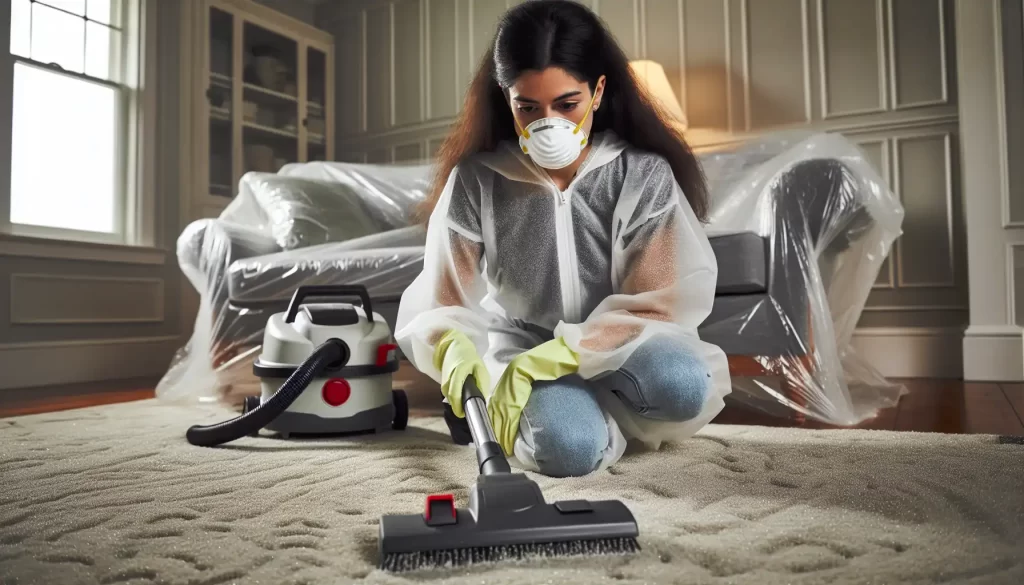
Guess what? Vacuuming is not your friend here. It might seem like a handy solution, but all it does is launch those nasty asbestos fibers into the air like pesky invaders, making it more likely you’ll breathe them in—and that’s the last thing you want. Vacuuming doesn’t just get rid of the dirt; it disturbs those tiny particles, sending them on an airborne adventure around your home.
So, the first thing on your to-do list: ditch the vacuuming idea. What you need is a plan that doesn’t stir up more trouble. The most seasoned pro might be necessary to help you manage this safely, without turning your carpet into a health hazard.
When is professional asbestos abatement necessary?
At some point, professional help is going to be essential—especially if you’re facing a carpet that’s positively teeming with asbestos. Certified experts with a knack for dealing with asbestos are your go-to folks. They have everything they need, from the tools to the know-how, for dealing with asbestos like it’s child’s play.
Calling in a professional isn’t just about making sure the job’s done—it’s about doing it safely. They’ll kick things off by testing for asbestos in that carpet of yours. With the right gear, they’ll gather samples and then do some in-depth testing in super-controlled settings. Whether it’s using fancy tools like polarized light microscopy (PLM) or transmission electron microscopy (TEM), these methods work wonders to pinpoint the exact location, type, and amount of asbestos fibers hiding out in your flooring.
Safety first, always. Ignoring this could put your health on the line. Professionals are like your safety net—they handle asbestos so you don’t have to worry about it creeping back into your life. And when you’re on the fence about what’s in your carpet, listen to the experts. Always seek the advice and services of seasoned pros to ensure safety and peace of mind.
Evidence Collection and Legal Steps
If your carpet contains asbestos, document the exposure with photos, inspection reports, and dated notes. Collect records of where and when exposure occurred, including any potential disturbances. This documentation is essential for legal claims.
Gather supporting documents such as property records, maintenance logs, and witness statements that show responsibility for asbestos-containing materials. Proper evidence strengthens your case and supports potential compensation claims.
Contact a qualified asbestos attorney as soon as possible. They will guide you on filing claims, identifying responsible parties, and ensuring your evidence meets legal standards. Early legal guidance is critical to protecting your rights.
Linking Exposure to Legal Claims
Getting stuck with asbestos in carpets is like playing with fire you can’t see. Those tricky fibers float into the air and, believe me, they’re not your pals. It’s pretty darn vital to know the tell-tale signs of asbestos-related health troubles and when to play it safe by visiting the doc if you’ve been around carpets that might hide these sneaky fibers.
Proof Needed for Filing Asbestos Claims
Breathing in asbestos fibers from carpets can play havoc on your health, causing stuff you definitely don’t want, like lung cancer and other asbestos-linked illnesses. The kicker here is that these symptoms often lie low, sometimes for decades. Look out for these hints that asbestos might’ve sunk its teeth into you:
- Cough that just won’t quit
- Gasping for air
- Ouch-y chest
- Swallowing gets tricky
- Feeling wiped out
- Dropping pounds without trying
If these hit home and you suspect your old shag carpet might be the culprit, don’t dawdle—go chat with your healthcare provider pronto.
Legal Documentation and Expert Evidence
Asbestos diseases are like slow-burning fuses, so catching them early with a bit of detective work (aka medical testing) can be a game-changer for getting the right help in time. If you’ve had run-ins with asbestos-y carpets or even think you might have, it’s a smart move to get checked out if:
- You’ve been breathing it in from carpets or other spots for a while.
- You’re showing symptoms that whisper “asbestos troubles.”
- You’re worried about asbestos loitering in your rug or workspace.
Jumping on medical testing can confirm if those sneaky fibers have tampered with your health and help set you on the right path for care.
Curious to dig deeper into the whole “asbestos-in-carpets” scenario and how to handle it? Check out our detailed guide on how to clean asbestos from carpet. Keep your health front and center by getting a grip on the ins-and-outs of asbestos and taking steps to keep you and your nearest and dearest safe.
What to Do If You Have Been Exposed to Asbestos
First off, if you’re hit with the suspicion or confirmation that you’ve been around asbestos, don’t just sit there like a bump on a log. Hop to it — there are health risks you can tackle head-on and legal rights waiting for those who take action. Figuring out how to prove that exposure and file for asbestos compensation can make a world of difference for your health and for holding accountable those responsible.
Evidence Used to Prove Asbestos Exposure
Nailing down proof that you’ve been exposed to asbestos isn’t a walk in the park. It’s all about the evidence. Get the facts together: where it happened, how long it lasted, and who was there — all of these will give you a leg up. Medical records that reveal any asbestos-related illnesses sure come in handy too.
A doctor who deals with diseases caused by asbestos can be your best ally here. Their diagnosis can tie your ailments directly to asbestos, giving your claim the backbone it needs.
Not sure you’ve got the goods to prove exposure? That’s where an asbestos attorney steps in. They know the ropes and can steer you right when it comes to gathering what you’ll need for your case.
Filing a Claim for Asbestos Compensation
Getting compensation for asbestos exposure isn’t a simple stroll. You’ve gotta have your ducks in a row with all the paperwork and stick to every procedure required. Best to have a seasoned asbestos attorney in your corner to make sure your claim has real teeth and that you’re getting all the compensation you’ve got coming.
Here’s what you’re looking at to get that claim moving:
- Gather Evidence: Pull together every shred of evidence you’ve got — medical docs, testimony from witnesses, your job history, you name it. Anything that points to asbestos exposure and the hit your health took as a result.
- Legal Representation: Don’t go it alone. Get yourself an asbestos attorney who knows the lay of the land. They’ll help you get everything together, make sure it’s solid, and stand by you in court.
- File a Lawsuit: With your attorney, aim that lawsuit at the folks responsible — be it employers or the makers of products that had asbestos. This is your ticket to try and get back dollars for medical bills, lost income, plus all the toll and trouble it’s caused you.
- Settlement Negotiation: A heap of asbestos disputes get ironed out with settlements before the judge even steps in. Your attorney’s there to hash it out, working toward a deal that’s fair for you.
- Litigation: If no agreement’s reached, things could go to trial. At trial, it’s your attorney’s job to lay out your case in front of the judge and jury, aiming for a win and the maximum compensation for you.
Digging into proof and piecing together a claim isn’t something you should fumble through without help. Get your facts straight and reach out for expert legal help, and you’ll stand a fighting chance to see the compensation you deserve for having to deal with this asbestos ordeal.