
Bicycle Accident Claims
How a Bicycle Accident Attorney Can Help After a Crash

We reveal how our bicycle accident attorney proves driver fault and secures compensation for injured cyclists
What If a Bicycle Accident Involves an Uninsured Driver?
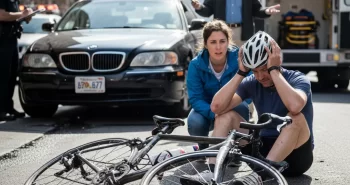
Bicycle accident with an uninsured driver? We simplify your claim, insurance options, and legal support
What to Do After a Bicycle Accident Step by Step
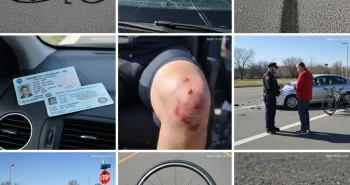
Discover what to do after a bicycle accident in our guide to preserve evidence and secure compensation.
Bicycle Accident Not at Fault What Are Your Legal Options?

We outline legal options after a bicycle accident not at fault to help you secure fair compensation fast.
Should I Get a Lawyer for a Bicycle Accident?

Should I get a lawyer for bicycle accident? We explain legal options to help you secure fair compensation.
Bicycle Accident Head Injuries Symptoms Treatment and Claims

We support victims after bicycle accident head injury with guidance on symptoms, treatment, legal claims.
How Much Compensation Can You Get After a Bicycle Accident?
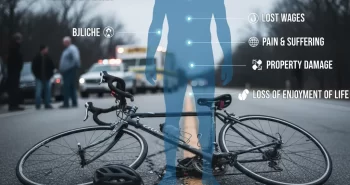
Find out how we maximize your bicycle accident compensation and connect you with top attorneys for a free case review.
Bicycle Accident Legal Advice What You Should Know
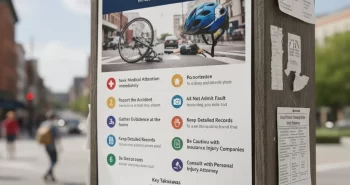
We offer bicycle accident legal advice, guiding injured cyclists to fair compensation with free case review.
Broken Bones After a Bicycle Accident What Can You Claim?
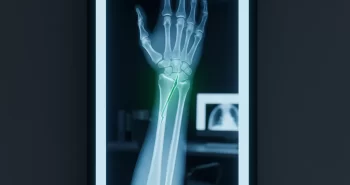
We assist victims of bicycle accident broken bones with claims, compensation, recovery & free case review.
How to Choose the Right Bicycle Accident Law Firm

We help injured cyclists choose the right bicycle accident law firm to secure maximum compensation & support.
Bicycle Accident Spinal Injuries and Compensation Rights

We secure rightful compensation in bicycle accident spinal injury claims with our expert legal support.
How Long Does a Bicycle Accident Claim Take to Settle?
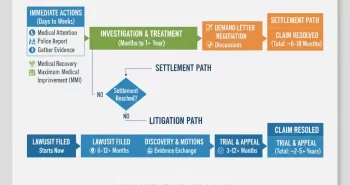
Learn how long does a bicycle accident claim take and how we secure your compensation quickly.
Bicycle Accident Wrongful Death Claims Explained

We explain bicycle accident wrongful death claims, guiding families to secure compensation and legal support.
How Long After a Bicycle Accident Can You Sue?

Learn how long after a bicycle accident can you sue and let us secure your compensation before time runs out.
How Bicycle Accident Claims Work and What You Need to Prove
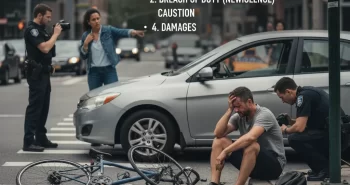
We guide victims through bicycle accident claims, evidence gathering, insurer negotiation, and legal support.
When Does a Bicycle Accident Lawsuit Make Sense?

We explain when a bicycle accident lawsuit makes sense and how to get a free case review for max compensation
When Do You Need a Bicycle Accident Lawyer?

Need a bicycle accident lawyer? We guide injured cyclists on claim timing and choosing the best attorney.
Common Bicycle Accident Injuries and Their Long Term Impact

We outline bicycle accident injury risks, lasting impacts, and how we secure your rightful compensation.
Bicycle accident claims exist to help injured cyclists recover damages after crashes involving motor vehicles, unsafe road conditions, or negligent motorists. In urban areas especially, bike accidents happen every day, and many cyclists suffer serious injuries that change their lives in ways they never expected. When a bicycle collision occurs, the physical pain is often only the beginning. Medical expenses, lost wages, emotional distress, and long-term care can quickly create overwhelming financial impacts.
Get Legal Help

No Win, No Fee. Let the Best Bicycle Accident Attorneys Fight for your Compensation!
Unlike minor incidents, bicycle crashes frequently result in severe injuries because cyclists have little protection compared to drivers in cars. Even when a rider is wearing a helmet and following traffic rules, driver negligence, distracted driving, speeding, or poor road conditions can lead to devastating harm. Understanding how a bike accident claim works is the first step toward protecting your legal rights and pursuing fair compensation.
This page explains the legal process, the types of injuries involved, how liability is determined, and why legal representation plays a critical role in bicycle accident cases.
Understanding Bicycle Accidents and Why They Are So Dangerous
Bike accidents often involve direct contact between a bicyclist and a motor vehicle. The size, speed, and weight difference means cyclists absorb most of the force in a crash. Many cyclists sustain traumatic brain injuries, fractures, disfigurement, spinal trauma, or internal injuries even at relatively low speeds.
Bicycle crashes commonly occur in city environments with heavy traffic, low light conditions, or intersections where motorists fail to yield. Poor road conditions, debris, or unsafe infrastructure also contribute. Statistics consistently show that many cyclists are injured while riding legally and safely, yet still suffer harm due to another party’s negligent behavior.
In many cases involving bicycle crashes, injuries require extensive medical treatment and long-term care. Some victims face post traumatic stress, emotional trauma, and psychological challenges that extend well beyond physical healing.
Common Causes of Bicycle Accidents
Understanding the most common causes of bicycle accidents helps establish liability and strengthens personal injury claims.
Leading causes include:
-
Distracted driving, including phone use
-
Speeding in urban areas
-
Failure to yield at intersections
-
Poor road conditions or inadequate lighting
-
Driver negligence during turns or lane changes
-
Opening car doors into cycling lanes
-
Failing to obey traffic signals or stop signs
In most claims, the at fault party is a motorist who failed to exercise reasonable care. However, some cases involve multiple parties, including commercial drivers, city maintenance departments, or companies responsible for road safety.
Bicycle Accident Injuries and Their Long Term Impact
Bicycle accident injuries range from minor injuries to catastrophic harm. Even visible injuries such as cuts, abrasions, and sprains can lead to complications if left untreated. More serious injuries often include:
-
Traumatic brain injuries and concussions
-
Spinal cord injuries and nerve damage
-
Broken bones and fractures
-
Internal bleeding and organ damage
-
Disfigurement or permanent disability
-
Emotional distress and post traumatic stress
Many cyclists require immediate medical attention at the accident scene, followed by ongoing medical care. Medical bills can cost thousands, and long-term treatment may extend for months or years. In severe cases, injuries impact the victim’s ability to work, ride, or enjoy daily life.
What Is a Bicycle Accident Claim
A bicycle accident claim is a type of personal injury claim that allows injured cyclists to seek compensation from the responsible party. These claims aim to recover damages related to medical expenses, property damage, lost wages, and non economic damages such as pain and suffering.
Bike accident claims typically involve negotiations with an insurance company representing the at fault driver. In some cases, health insurance or auto insurance policies may also provide partial coverage, depending on the circumstances.
Most claims are resolved through settlement, but when negotiations fail, legal proceedings may be necessary to pursue justice in court.
The Importance of Seeking Medical Attention Immediately
The first step after any bicycle crash is to seek medical attention. Even if injuries seem minor, symptoms can worsen over time. Traumatic brain injuries and internal damage are not always immediately visible.
Medical treatment serves two essential purposes. It protects your health and creates medical records that document the full extent of your injuries. These records are critical evidence in bike accident cases and help establish the connection between the crash and your medical costs.
Delaying medical care gives insurance companies an opportunity to argue that injuries were pre-existing or unrelated to the incident.
What To Do at the Accident Scene
What you do at the accident scene can significantly affect your claim.
Key steps include:
-
Call police and emergency services
-
Seek medical attention immediately
-
Document the scene with photos
-
Gather witness statements and contact information
-
Obtain police reports
-
Avoid admitting blame or fault
-
Exchange contact and insurance information
Photos of vehicle damage, road conditions, clothing, helmet damage, and injuries strengthen your case. Witnesses can corroborate events if disputes arise later.
Determining Liability in Bicycle Accident Cases
Liability refers to legal responsibility for the accident. In most bicycle accident cases, liability is based on driver negligence. This includes failing to yield, speeding, distracted driving, or violating traffic laws.
Some cases involve comparative negligence rules, meaning fault may be shared between parties. In most states, cyclists can still recover damages even if partially at fault, though compensation may be reduced.
A detailed investigation is often required to identify the fault party. Evidence such as police reports, witness statements, photos, and accident reconstruction plays a critical role.
Can I Get Compensation?
No Win, No Fee. Let the Best Bicycle Accident Attorneys Fight for your Compensation!
Comparative Negligence and How It Affects Compensation
Comparative negligence determines how damages are allocated when both parties share fault. For example, if a cyclist is found 20 percent responsible, settlement amounts may be reduced accordingly.
Most states follow comparative negligence rules, but the specifics vary by state. In some jurisdictions, recovery is limited if fault exceeds a certain percentage. Understanding these rules is essential to evaluating potential claims.
Evidence That Strengthens Bicycle Accident Claims
Strong documentation is the backbone of successful personal injury cases.
Key evidence includes:
-
Police reports
-
Medical records and bills
-
Photos from the accident scene
-
Witness statements
-
Helmet and bike damage
-
Traffic camera footage
-
Additional evidence from nearby businesses
This documentation supports the legal process and helps your attorney build a compelling argument.
Insurance Companies and Bicycle Accident Claims
Insurance companies are not neutral parties. Their goal is to minimize payouts. Adjusters may question injury severity, argue comparative negligence, or push low settlements early.
Common tactics include:
-
Disputing medical costs
-
Downplaying emotional distress
-
Offering settlement offers before full recovery
-
Arguing insufficient evidence
Without legal guidance, many cyclists accept settlements that fail to cover the full extent of damages.
Other claims you can recover damage from:
What Compensation Can You Recover
Bicycle accident claims may include economic damages and non economic damages.
Economic damages include:
-
Medical expenses and future care
-
Medical bills and treatment costs
-
Lost wages and reduced earning capacity
-
Property damage claims
-
Replacement costs for bike and gear
Non economic damages include:
-
Pain and suffering
-
Emotional trauma
-
Loss of enjoyment of life
-
Post traumatic stress
In severe cases, damages may extend to long term care, permanent disability, or significant disfigurement.
Why Settlement Amounts Vary
Settlement amounts depend on many factors, including injury severity, medical costs, liability clarity, insurance coverage, and jurisdiction. Severe injuries, traumatic brain injuries, and spinal damage typically result in higher settlements.
Low settlements often occur when victims lack legal representation or sufficient documentation.
When You Should Consult a Personal Injury Lawyer
Hiring an experienced personal injury lawyer is crucial when serious injuries are involved, liability is disputed, or damages are significant. A personal injury attorney understands how to navigate complex insurance disputes and legal proceedings.
Legal representation ensures your legal rights are protected and that insurers take your claim seriously.
How an Experienced Attorney Helps
An experienced attorney provides legal guidance throughout the process. They gather evidence, handle negotiations, and prepare cases for trial if necessary. They also ensure deadlines, statute limitations, and filing requirements are met.
Most personal injury lawyers offer a free consultation and work on a contingency basis, meaning no upfront cost.
The Legal Process for Bicycle Accident Claims
The legal process typically includes:
-
Investigation and evidence gathering
-
Filing the bike accident claim
-
Negotiation with insurance companies
-
Legal proceedings if disputes remain
-
Settlement or trial resolution
Many cases settle before trial, but preparedness strengthens outcomes.
Statute of Limitations and Filing Deadlines
Every state has a statute that limits how long you have to file a claim. In many states, this period is two years, but deadlines vary. Missing deadlines can eliminate your right to compensation.
Common Challenges in Bicycle Accident Cases
Challenges include disputes over fault, underinsured drivers, limited coverage, and insufficient evidence. Urban crashes may involve unclear circumstances or conflicting witness accounts.
An advocate helps address these challenges and ensures your case moves forward.
Emotional and Psychological Impact of Bike Accidents
Beyond physical harm, many cyclists experience emotional distress, anxiety, and post traumatic stress. These injuries affect daily life, relationships, and mental health.
Courts recognize emotional suffering as a legitimate part of personal injury claims.
Why Early Action Matters
Early action preserves evidence, strengthens documentation, and protects your claim. Waiting too long can make building a strong case harder and reduce settlement potential.
How Bicycle Accident Claims Are Resolved
Most claims settle through negotiation. When negotiations fail, cases may proceed to trial, where judgment is determined by a court. Trials are complex but sometimes necessary to achieve fair outcomes.
Final Thoughts on Bicycle Accident Claims
Bicycle accident claims exist to help injured cyclists recover damages and move forward after life-altering crashes. From medical costs to emotional trauma, the consequences of bicycle crashes can be severe and long lasting.
If you were hit while riding, suffered injuries, and believe another party was responsible, understanding your options is the first step. Legal representation, strong documentation, and timely action make all the difference in achieving fair compensation.
You deserve protection, support, and answers during this difficult time.
Get Legal Help
No Win, No Fee. Let the Best Bicycle Accident Attorneys Fight for your Compensation!