
Hit and Run Accident Claims
When Do You Need a Hit and Run Accident Lawyer?

We help victims find a hit and run accident lawyer and secure compensation with a free case review.
How a Hit and Run Attorney Can Help You Recover Compensation

Let our hit and run attorney guide you to fair compensation, even if the driver vanished. Free case review.
How to Choose the Right Hit and Run Law Firm

We explain how to choose the right hit and run law firm to secure maximum compensation for accident victims.
When Does a Hit and Run Accident Lawsuit Make Sense?

We explain when a hit and run accident lawsuit makes sense and how we help victims secure compensation.
Can You File a Claim After a Hit and Run Accident?

Can you file a claim after a hit and run? Our guide shows how to swiftly maximize your compensation.
How Long After a Hit and Run Can You Sue?
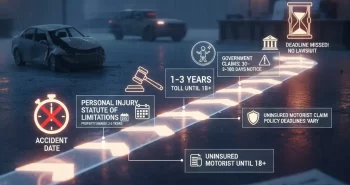
Discover how long after a hit and run can you sue and how we secure your rightful compensation.
Should I Get a Lawyer for a Hit and Run Accident?

Should I get a lawyer for a hit and run? We help you secure fair compensation with our expert legal support.
What to Do in a Hit and Run Accident Step by Step
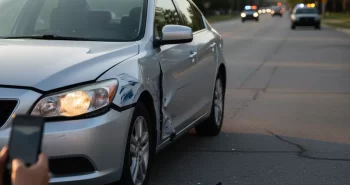
We outline what to do in a hit and run, protect your rights, and recover compensation.
Hit and Run Bicycle Accidents What Are Your Legal Options?

We help hit and run bicycle accident victims navigate their legal options and seek compensation.
Is a Hit and Run a Felony and How Does It Affect Your Case?

We clarify: is a hit and run a felony? Discover its effects on your injury claim and our legal guidance.
Hit and Run Accident Not at Fault What Can You Claim?

Hit and run accident not at fault? We show how to claim compensation and navigate insurance and legal steps
Hit and Run Pedestrian Accidents Who Is Liable?

We guide hit and run pedestrian accident victims through liability, compensation and legal options.
How Much Compensation Can You Get After a Hit and Run?

We help you maximize your hit and run compensation amount and secure a free case review with top attorneys.
A hit and run can leave victims feeling confused, angry, and unsure about what to do next. When a hit and run driver causes a car accident and then leaves the crash scene, the situation becomes more complicated than a typical collision. You may be dealing with vehicle damage, serious injuries, medical bills, and the stress of not knowing who the responsible party is.
Get Legal Help

No Win, No Fee. Let the Best Hit And Run Accident Attorneys Fight for your Compensation!
In many cases, your recovery will depend on your auto insurance policy and the types of coverage you purchased before the accident. Uninsured motorist coverage, collision coverage, personal injury protection, and medical payments coverage can all play a role in a hit and run claim. However, coverage limits, deductibles, and your state’s laws will determine what is actually covered and how much your insurance company may pay.
Understanding the claims process, your rights, and your options can help protect you financially. Whether the fleeing vehicle is later identified or never caught, there are structured steps you can take to seek compensation and minimize risk.
What Is a Hit and Run and How Does It Affect Your Insurance Claim
A hit and run occurs when a driver involved in a crash leaves the scene without providing insurance information or assisting injured victims. The hit and run driver may flee immediately after impact or may briefly stop and then leave before authorities arrive. In both situations, the driver involved fails to fulfill their legal responsibility.
This type of accident affects your insurance claim because you may not have access to the other driver’s insurance. In a typical car accident, you can file a claim with the at fault driver’s insurance company. In a hit and run, that option may not be available unless the fleeing driver is later identified through a police investigation.
As a result, victims often rely solely on their own auto insurance policy. Depending on your coverage, your insurance provider may assist with property damage, medical expenses, and lost wages. However, coverage limits and deductibles can impact the amount you receive.
Because most states treat hit and run cases seriously, calling the police and obtaining a police report is often the first line of protection in both criminal and insurance matters.
What To Do Immediately After a Hit and Run Accident
After a hit and run, your first priority should be safety. If the crash happened in traffic, move your vehicle out of harm’s way if possible. Check yourself and passengers for injuries. Even minor injuries can worsen without medical attention. Seek medical attention promptly if you feel pain, dizziness, or confusion.
Call the police immediately. A police report is critical in any hit and run claim. Officers will document the crash scene, gather statements, and begin a police investigation. The sooner law enforcement responds, the better the chance of identifying the fleeing vehicle.
Try to collect as much information as possible. Note the make, model, color, and direction of the fleeing vehicle. Write down any partial license plate number. Speak with witnesses and nearby businesses that may have security cameras. Evidence gathered early can significantly affect the claims process.
Notify your insurance company as soon as possible. Most policies require timely notice. Delaying your report could complicate your insurance claim or limit benefits.
The Role of the Police Investigation in a Hit and Run Claim
A police investigation plays a crucial role in both criminal accountability and insurance recovery. When you call the police, officers will assess the crash scene, document vehicle damage, and gather statements from witnesses. They may look for physical evidence such as paint transfer, debris, or surveillance footage from nearby businesses.
If the hit and run driver is identified and caught, you may gain access to the other driver’s insurance or pursue liability coverage through their policy limits. If the fleeing driver is not identified, the police report becomes essential documentation for your own insurer.
Insurance companies rely heavily on official reports when determining fault and coverage eligibility. Without a police report, your insurer may question whether a hit and run actually occurred. Some states require a police report within a certain time frame for uninsured motorist coverage to apply.
While you cannot rely solely on law enforcement to solve the case, cooperating fully and providing detailed information can strengthen both the criminal investigation and your insurance claim.
Understanding Auto Insurance Coverage for Hit and Run Claims
An auto insurance policy can provide several forms of protection in a hit and run. However, what is covered depends on the coverage you purchased and your state’s laws.
Collision coverage typically pays for vehicle damage to your car after a collision, even if the other driver flees. You will usually need to pay a deductible before repairs are covered. If the vehicle is totaled, your insurer may pay the actual cash value, subject to policy limits.
Uninsured motorist coverage is often critical in hit and run cases. Because the fleeing driver is effectively uninsured, this coverage may apply to bodily injury and sometimes property damage.
Personal injury protection and medical payments coverage can help with medical expenses regardless of fault. These benefits may cover medical bills for you and your passengers, depending on the policy.
Understanding coverage limits and policy details is essential before filing a hit and run claim.
Uninsured Motorist Coverage and Why It Matters
Uninsured motorist coverage is designed to protect you when the at fault driver does not have insurance. In a hit and run, the fleeing driver is treated as uninsured in most states.
If you purchased uninsured motorist coverage, your insurance company may pay for medical expenses, lost wages, and in some cases pain and suffering. Coverage limits vary widely, and most policies mirror your liability coverage amounts.
Some states require uninsured motorist coverage by law. In other states, it is optional but highly recommended. Without this protection, victims may struggle to recover money for injuries caused by a hit and run driver.
It is important to review your auto insurance policy carefully. Many people are unaware of their coverage until an accident occurs. Understanding whether your uninsured motorist benefits apply can determine how much compensation you can expect.
Collision Coverage and Property Damage Recovery
Collision coverage helps pay for repairs to your vehicle after a hit and run accident. If your car was struck in a parking lot and the driver flees, this coverage often becomes the first line for property damage claims.
Under collision coverage, your insurer will assess the vehicle damage and determine repair costs. If repairs exceed the vehicle’s value, the insurer may declare the vehicle a total loss and pay its actual cash value, less your deductible.
The deductible is your responsibility before coverage applies. For example, if repairs cost 5,000 dollars and your deductible is 1,000 dollars, the insurance company will pay 4,000 dollars.
While collision coverage protects your vehicle, it does not cover medical expenses. Therefore, pairing collision coverage with uninsured motorist or personal injury protection can provide more comprehensive protection in hit and run circumstances.
Other claims you can recover damage from:
Personal Injury Protection and Medical Payments Coverage
Personal injury protection, often referred to as PIP, and medical payments coverage help pay for medical bills after a car accident. These coverages apply regardless of who is at fault.
If you are injured in a hit and run, PIP or medical payments coverage can cover immediate medical expenses, including emergency room visits, ambulance costs, and follow up care. Some policies also cover lost wages and rehabilitation services.
Because a fleeing driver cannot provide insurance information, these benefits can provide immediate financial assistance. They are especially valuable in states with no fault systems, where your own insurance provider handles certain medical expenses.
However, coverage limits apply. Once policy limits are reached, additional expenses may need to be pursued through uninsured motorist coverage or other legal options. Reviewing your benefits carefully can prevent unexpected out of pocket costs.
How the Claims Process Works in a Hit and Run
The claims process begins when you notify your insurance company about the hit and run. An insurance adjuster will be assigned to your case. The adjuster will review the police report, examine vehicle damage, and may request additional documentation.
You will likely need to provide photos of the crash scene, repair estimates, and medical documentation if injuries occurred. The insurer may investigate to confirm that a hit and run actually took place.
If uninsured motorist coverage applies, the insurer will evaluate bodily injury claims under your policy limits. If collision coverage applies, the adjuster will coordinate vehicle inspections and repairs.
Insurance companies may question inconsistencies, so providing clear documentation is essential. While most policies cover hit and run accidents, disputes can arise over fault, coverage limits, and the extent of injuries.
What Happens If the Hit and Run Driver Is Identified
In some cases, the fleeing vehicle is later identified through witnesses, security footage, or police investigation. When the responsible party is caught, you may have additional options.
You can file a claim directly with the other driver’s insurance company. Their liability coverage may pay for vehicle damage, medical expenses, and other losses. If damages exceed policy limits, you may consider legal action.
If your own insurer already paid benefits under uninsured motorist coverage, your insurance company may attempt to recover money from the at fault driver through a process called subrogation.
Even when the driver is identified, legal and insurance complexities may arise. Consulting with a professional who understands insurance claims and liability issues can help protect your interests.
How Hit and Run Claims Affect Insurance Premiums
Many victims worry that filing a hit and run claim will increase their insurance premiums. In most states, insurers are less likely to raise rates when you are clearly not at fault. However, each insurance company has its own underwriting guidelines.
If you use collision coverage, your deductible applies, and your insurer may treat the claim similarly to other property damage claims. Some companies view frequent claims as higher risk.
Uninsured motorist claims may or may not affect premiums, depending on your insurance provider and state regulations. It is important to ask your insurer directly how filing a claim may impact your rates.
While premium increases are a concern, failing to file a legitimate claim may leave you paying significant expenses out of pocket.
Common Challenges in Hit and Run Claims
Hit and run claims present unique challenges. Because the driver flees, establishing fault can be complicated. Insurance companies may question whether another vehicle was truly involved.
Limited evidence can weaken a claim. If there are no witnesses or surveillance footage, proving the accident occurred as described may be difficult.
Coverage disputes may arise if your auto insurance policy excludes certain types of damage or if you lack uninsured motorist coverage. Policy limits may also restrict recovery.
Injuries that appear minor initially may worsen over time. Delayed medical attention can make it harder to connect injuries to the accident.
Understanding these potential obstacles can help you prepare and protect your claim from unnecessary denial or delay.
Seeking Compensation for Injuries and Lost Wages
When a hit and run accident results in injuries, victims may face medical bills, lost wages, and long term treatment costs. Uninsured motorist coverage, personal injury protection, and medical payments coverage may provide financial assistance.
Medical expenses can include emergency treatment, surgery, rehabilitation, and follow up care. Lost wages may be covered if injuries prevent you from working. In severe cases, long term disability may impact earning capacity.
Some policies allow recovery for pain and suffering or emotional distress. However, these benefits depend on your policy terms and state law.
Keeping thorough documentation of medical treatment, missed work, and related expenses strengthens your claim and supports your right to compensation.
Get Compensation
No Win, No Fee. Let the Best Hit And Run Accident Attorneys Fight for your Compensation!
Hit and Run Accidents in Parking Lots and Private Property
Hit and run incidents often occur in parking lots. A driver may strike a parked car and leave without leaving a note. These accidents can still qualify as hit and run claims.
Collision coverage usually applies in these circumstances. You will need to file a claim with your own insurance company.
Collecting evidence remains important. Speak with property managers and nearby businesses to check for surveillance cameras. Take photos of vehicle damage and surrounding conditions.
Even though parking lot accidents may seem minor, repair costs can be significant. Promptly reporting the incident protects your rights under your auto insurance policy.
Why Prompt Reporting Is Essential
Prompt reporting is essential in a hit and run claim. Most policies require notice within a specific time frame. Failure to notify your insurer quickly may jeopardize coverage.
Calling the police and obtaining a police report establishes that the incident occurred. Insurance companies rely on official documentation to process claims.
Seeking medical attention immediately also protects your health and strengthens your claim. Delayed treatment may lead insurers to question whether injuries were caused by the accident.
Time sensitive evidence such as surveillance footage may be erased quickly. Acting fast increases the likelihood of identifying the fleeing driver and securing fair compensation.
Protecting Yourself After a Hit and Run
Protecting yourself begins before an accident occurs. Purchasing adequate uninsured motorist coverage, collision coverage, and personal injury protection can provide financial security.
After an accident, document everything. Keep copies of the police report, medical bills, repair estimates, and correspondence with your insurance company. Avoid making statements that suggest fault.
Understand your coverage limits and deductibles. Ask your insurance provider detailed questions about what is covered and how benefits apply.
By staying informed and proactive, you reduce financial risk and improve your chances of a successful hit and run claim.
Final Thoughts on Hit and Run Accident Claims
A hit and run accident can feel overwhelming. The fleeing driver’s decision to leave the scene creates uncertainty and stress. However, your auto insurance policy may provide protection through uninsured motorist coverage, collision coverage, and personal injury protection.
Calling the police, obtaining a police report, and gathering evidence are critical first steps. Promptly notifying your insurance company and understanding the claims process can help you secure compensation for vehicle damage, medical expenses, and lost wages.
While every case depends on specific circumstances, state laws, and policy terms, taking immediate action and staying organized strengthens your position. With the right preparation and coverage, you can navigate the aftermath of a hit and run with greater confidence and financial protection.
Get Legal Help
No Win, No Fee. Let the Best Hit And Run Accident Attorneys Fight for your Compensation!