
Truck Accident Claims
Truck Accident Lawsuit Eligibility

We guide you on filing a truck accident lawsuit, timelines, costs, recoverable damages, and free case review.
How Much Does A Truck Accident Lawyer Cost?
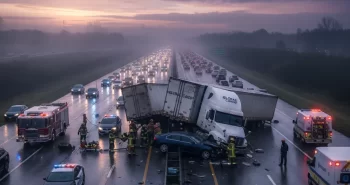
Learn how much does a truck accident lawyer cost and how we secure top compensation with a free case review
What Is The Most Common Type Of Lift Truck Accident?
Discover what is the most common type of lift truck accident and how we help victims win fair compensation.
How Much Are Most Truck Accident Settlements?
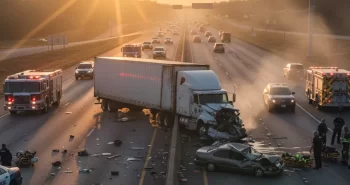
Discover how much are most truck accident settlements, what factors affect payouts, and how we can help.
How Can A Truck Accident Lawyer Help Your Case?

Discover how can a truck accident lawyer help us maximize compensation and navigate our claim after injuries
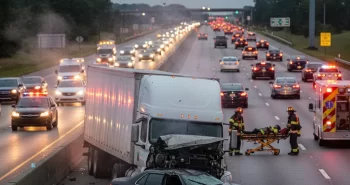
Can I sue for a truck crash? We explain liability, compensation options and connect you to a top attorney.
When Should You Consult A Lawyer For A Truck Accident?

Discover when to consult a lawyer for a truck accident and how we guide you to fair compensation fast.
How Do You Negotiate A Truck Accident Settlement?
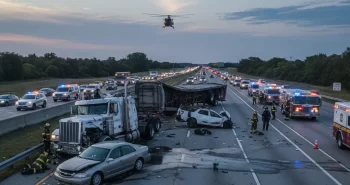
Wondering how do you negotiate a truck accident settlement? We show fair offers, evidence tips, legal support
What Are Damages In Truck Accident Cases?
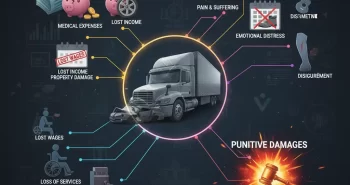
Discover what are damages in truck accident cases and how we help victims secure maximum compensation.
How Do You File A Truck Accident Claim?
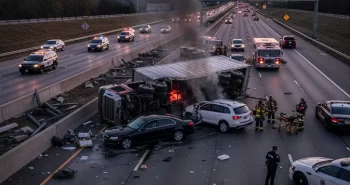
We outline how to file a truck accident claim so you can pursue fair compensation with confidence.
What Is The Average Settlement For A Semi Truck Accident?
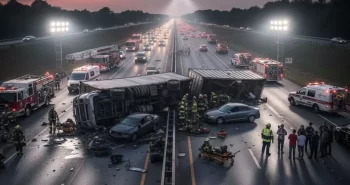
Find out what is the average settlement for semi truck accident and how we help maximize your compensation.
How Does A Truck Accident Claim Work If You Are Injured?
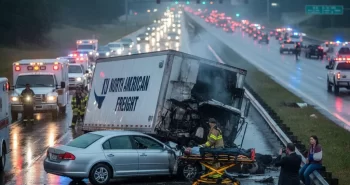
We guide you through your truck accident claim, secure maximum compensation and connect you with top lawyers
Who Is Liable In A Truck Accident?
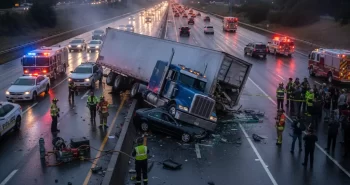
We detail who is liable in a truck accident and guide you through driver, carrier, and third-party claims.
Truck accident claims are among the most complex and high-stakes accident claims in personal injury law. A single truck accident can lead to severe injuries, catastrophic injuries, or loss of life, especially when large trucks collide with passenger cars or other smaller vehicles. For many truck accident victims, the aftermath includes overwhelming medical bills, lost income, emotional trauma, and long-term physical pain that disrupts every aspect of daily life.
Get Legal Help

No Win, No Fee. Let the Best Truck Accident Attorneys Fight for your Compensation!
Unlike standard car accidents, truck accident cases often involve commercial vehicles, professional truck drivers, and trucking companies that operate under strict federal regulations. These added layers of responsibility and oversight make truck accident claims fundamentally different from car accident claims and require a far more detailed legal and investigative approach.
If an accident happened involving a commercial truck and you were not at fault, understanding how truck accident claims work is essential to pursuing fair compensation and protecting your future.

What Makes a Truck Accident Different From a Car Accident?
Many truck accidents involve tractor trailers or other large trucks that weigh many times more than passenger vehicles. Because of this size and weight disparity, accidents involving commercial trucks often result in serious injuries or catastrophic injuries even at relatively low speeds.
Standard car accidents usually involve two private drivers and personal auto insurance company policies. Truck accidents, by contrast, frequently involve multiple parties, including:
- Commercial truck drivers
- A trucking company
- Maintenance contractors
- Cargo loading or shipping companies
- Manufacturers of truck components
This creates multiple potentially liable parties. Establishing liability is rarely straightforward, and fault is often shared across more than one entity. Each party may carry separate insurance coverage, and each insurer may attempt to shift blame elsewhere.
Commercial truck drivers are also subject to federal regulations that do not apply to drivers of passenger vehicles. These rules govern hours of service, vehicle maintenance standards, training requirements, licensing, alcohol and drug testing, and cargo securement. Violations of these regulations can play a decisive role in proving negligence in truck accident cases.
Common Causes of Truck Accidents
Many truck accidents occur due to a combination of human error, mechanical failure, and regulatory violations. Common causes include driver fatigue from excessive hours on the road, speeding or reckless driving, improper vehicle maintenance, overloaded or unsecured cargo, distracted driving, and failure to follow federal regulations.
Commercial truck drivers often operate under intense pressure to meet delivery schedules. When truck drivers work beyond legal limits or ignore safety requirements, the risk of a truck crash increases significantly.
Single vehicle accidents involving trucks can also occur due to brake failure, tire blowouts, steering defects, or other mechanical issues. In these cases, maintenance records, inspection reports, and vehicle damage become critical pieces of evidence in determining responsibility.
The Severity of Truck Accident Injuries
Truck accident injuries are often far more severe than injuries from standard car accidents. The force generated by a collision involving a commercial vehicle can cause life-altering harm.
Common truck accident injuries include traumatic brain injuries, spinal cord injuries, complete spinal cord injury resulting in paralysis, severe orthopedic injuries, internal organ damage, soft tissue injuries, and psychological injuries. Emotional and psychological injuries such as PTSD and emotional trauma can be just as debilitating as physical injuries and may require long-term treatment.
Many truck accident victims require extensive medical care, including emergency treatment, surgeries, rehabilitation, and long-term care from medical professionals. These injuries often lead to permanent disability, reduced independence, lost earning capacity, and ongoing medical expenses.
In fatal cases, surviving family members may pursue a wrongful death lawsuit to recover damages related to funeral costs, loss of income, and emotional distress.
Why Truck Accident Claims Are More Complex
The truck accident claims process differs significantly from other accident claims. Insurance companies representing trucking companies are well funded, experienced, and highly motivated to minimize payouts.
Truck accident cases require a comprehensive investigation to establish liability. This investigation often includes reviewing accident reports and police reports, examining maintenance records, analyzing black box data from the commercial truck, reviewing driver logs and work schedules, interviewing witnesses and police officers, and gathering medical records and medical treatment documentation.
Because multiple potentially liable parties may be involved, proving negligence often requires showing how each party contributed to the accident involving the truck. This complexity makes truck accident claims far more demanding than standard car accident claims.
Federal Trucking Regulations and Negligence Per Se
Federal trucking regulations play a central role in truck accident claims. Commercial truck drivers are held to higher standards than drivers of passenger vehicles because of the risks associated with operating large trucks on public roadways.
Truck drivers must meet strict requirements for training, licensing, and medical certifications. Federal Hours of Service rules limit how long a truck driver may operate a vehicle without rest to prevent fatigue-related crashes. Electronic Logging Device data tracks a driver’s hours of service and rest breaks, helping identify violations that may have contributed to an accident.
Commercial trucks are required to undergo regular inspections and maintenance under federal vehicle maintenance standards. Maintenance records can reveal whether brakes, tires, steering systems, and other critical components were properly maintained. Federal regulations also outline how cargo must be secured to prevent shifting or falling during transit, which can directly impact liability in accidents.
Violations of federal trucking regulations can establish negligence per se, meaning the violation itself automatically proves that the operator acted negligently. This can significantly strengthen a truck accident claim. Commercial trucking companies are also required to carry higher insurance coverage than personal vehicles, increasing the pool of available compensation for truck accident victims.
Evidence That Strengthens Truck Accident Claims
Strong evidence forms the backbone of successful truck accident claims. Key evidence includes a police report documenting the accident scene, vehicle positions, witness statements, and initial assessments of fault by police officers.
Additional critical evidence includes accident reports from responding authorities, vehicle damage photographs of all vehicles involved, maintenance records showing compliance or violations, medical records documenting serious injuries, and witness statements.
Black Box Data from Electronic Control Modules records speed, braking, and acceleration before impact. This data can be crucial in reconstructing how the accident happened. Electronic Logging Device data can reveal driver fatigue or violations of Hours of Service rules.
Gathering evidence as soon as possible after the accident happened is essential. Delays can result in lost or destroyed evidence, especially when trucking companies control critical records.
The Truck Accident Claims Process
Understanding the truck accident claims process helps you protect your rights and pursue compensation in a more structured way.
Step 1: Medical Treatment for Serious Injuries and Spinal Cord Injuries
Get medical treatment immediately, even if you think you feel fine. Serious injuries can show up later, and spinal cord injuries can worsen without early care.
Medical records also create the first clear link between the accident and your condition, which matters in any personal injury claim.
Step 2: File an Insurance Claim at the insurance company
Report the crash and start an insurance claim as soon as you can. This can involve the other driver’s insurer, the trucking company’s insurer, and sometimes your own insurance company depending on coverage.
Be careful with early statements. Insurance teams may use small inconsistencies to reduce the value of your personal injury claim.
Step 3: A Truck Accident Attorney Reviews Federal Regulations
A truck accident attorney checks what rules apply and whether federal regulations were violated. This step matters because the trucking industry must follow stricter safety rules than passenger vehicles.
Violations can strengthen fault arguments and increase leverage during negotiations.
Step 4: Evidence and Vehicle Maintenance Standards
Your attorney gathers evidence that shows what happened and why. This includes crash reports, photos, witness details, and proof of compliance with vehicle maintenance standards.
Maintenance gaps can shift liability toward the trucking company or contractors.
Step 5: Negotiation and Truck Accident Lawsuits
Once the facts are clear, your attorney negotiates for a fair resolution. If insurers refuse to offer a reasonable outcome, the case can move into truck accident lawsuits. A lawsuit increases pressure and creates formal tools to demand records and challenge denials.
Liability in Truck Accident Cases
Truck accident cases often involve multiple liable parties, including the truck driver, the trucking company, cargo loaders, maintenance contractors, and manufacturers.
Trucking companies may be liable when truck drivers work within the scope of their employment. Violations of federal regulations can establish negligence per se, strengthening the case. Even if another driver contributed to the crash, most states allow recovery, although compensation may be reduced.
Establishing liability requires a detailed and strategic approach supported by evidence.
Compensation Available in Truck Accident Claims
Truck accident settlements often exceed settlements in car accident claims due to the severity of injuries and the higher insurance coverage required for commercial vehicles.
Compensation may include medical expenses, medical bills, lost income, reduced earning capacity, property damage to passenger vehicles, physical pain, emotional distress, psychological injuries, and future medical care requiring extensive medical care.
Severity of injuries is the most significant factor in determining settlement amounts for truck accident claims. A fair settlement reflects the full impact of catastrophic injuries and long-term consequences.
Wrongful Death and Truck Accidents
When a truck accident results in death, surviving family members may pursue a wrongful death lawsuit. These claims seek compensation for funeral and burial costs, loss of financial support, loss of companionship, and emotional suffering.
Every state has a statute of limitations for filing a motor vehicle accident lawsuit. For example, Texas has a two-year deadline, Florida has a two-year deadline, and Colorado allows three years. Acting quickly is essential to preserve legal rights.
Truck Accident Claims vs Car Accident Claims
Truck accident claims differ from standard car accident claims in several key ways. Truck accident claims involve higher insurance coverage, more severe injuries, federal regulations, multiple potentially liable parties, and more extensive investigations.
Passenger vehicle occupants are especially vulnerable in accidents involving large trucks, which explains why truck accident claims often result in higher settlements.
Other claims you can recover damage from:
The Long-Term Impact on Truck Accident Victims
Many truck accident victims face severe consequences long after the accident happened. These consequences may include permanent disability, ongoing medical treatment, emotional trauma, psychological injuries, loss of independence, and financial strain from medical expenses and lost income.
Recovering damages is not just about money. It is about securing stability, dignity, and long-term support.
Taking the Right Steps After a Truck Accident
After a truck crash, taking the right steps protects both your health and your legal claim.
Seek immediate medical attention even if injuries are not apparent. Call police officers to the accident scene so a police report is created. Gather evidence and accident reports if possible. Avoid speaking with insurance companies or insurance adjusters alone. Contact an experienced truck accident lawyer for a free consultation as soon as possible.
Early action strengthens your position in the claims process.
How Legal Claim Assistant Helps Truck Accident Victims
Legal Claim Assistant helps truck accident victims determine whether they qualify to pursue compensation. We are not a law firm. We connect eligible individuals with experienced truck accident attorneys for a free consultation.
If your accident involved a commercial truck, resulted in serious injuries, required medical treatment, and was not your fault, you may have a valid legal claim worth exploring.
Final Thoughts on Truck Accident Claims
Truck accident claims are complex, high-value cases that demand experience, evidence, and strategic action. With multiple liable involved parties, federal regulations, and severe injuries at stake, victims must act quickly and carefully.
If a truck accident happened and you are facing medical bills, lost income, and emotional distress, understanding your rights is the first step toward fair compensation.