Rear Ended by a Company Vehicle Who Is Liable?
 Fact Checked By Our Attorneys

We understand that being rear ended by a company vehicle can turn your life upside down. Suddenly, you might be facing medical bills, car repairs, or missed days at work. Our goal is to explain the legal considerations surrounding these types of collisions, from who is liable to how insurance coverage might help. We also look at the steps you can take right after an accident, the possible settlements, and when it might be time to seek legal counsel. Ultimately, we want you to feel prepared and confident in pursuing fair compensation for your injuries, property damage, and other losses.

No Win, No Fee. Let the Best Motor Vehicle Accident Attorneys Fight for your Compensation!
Table of Contents:

What does it mean to be rear ended by a company vehicle?
In general, a vehicle is considered a “company vehicle” when it is owned or leased by a business and used by an employee or authorized driver for work-related activities. When such a vehicle hits you from behind, it is referred to as being rear ended by a company vehicle. This type of collision can happen anywhere, from congested city streets to rural highways, and it is often associated with factors like sudden braking, distracted driving, or a lapse in following distance.
Because the at-fault party is driving on behalf of a business, you are likely dealing with an employer’s insurance policy. This is different from personal auto insurance. Understanding the difference between coverage types is critical when you file a claim or lawsuit to seek compensation for medical bills, lost wages, and other damages.
Common causes of rear-end collisions involving company vehicles
Rear-end collisions can happen for many of the same reasons as any other motor vehicle collision. However, because company vehicles are often driven under tight deadlines or for long periods, certain risk factors can amplify. Many rear-end accidents we see involve:
- Distracted driving. Employees might be checking work-related emails or simply fatigued from a long shift. Even a brief lapse in attention can create a dangerous situation.
- Tailgating. When drivers fail to leave adequate distance, they have less time to react to sudden stops or changes in traffic.
- Vehicle maintenance issues. Company cars and trucks may not always be serviced regularly, leading to brake or tire failures that result in rear-end collisions.
- Aggressive driving. Rushed schedules can prompt overly aggressive driving maneuvers, increasing the likelihood of a crash.
Each of these causes may indicate negligence on the part of the driver or even the company. This is why it is important to examine the facts and determine how much responsibility each party bears.
Injuries and damages from being rear ended by a company vehicle
When someone hits you from behind, the sudden impact can lead to a wide range of injuries. Many victims report persistent back pain after being rear ended, headaches, or whiplash. More severe collisions may cause spinal cord injuries, broken bones, concussions, or other long-term complications.
In addition to physical harm, you may also experience extensive financial losses. Car repairs or replacement can be costly, and you could miss weeks or even months of work while recovering. If you rely on a personal vehicle for everyday tasks, losing it unexpectedly can create further burdens. Medical bills from surgeries, physical therapy, and follow-up appointments may pile up quickly. That is why securing compensation matters, particularly when a business is involved.
Determining liability: Who is responsible?
Determining liability in a rear-end accident can be relatively straightforward in personal accidents, because the driver who hits the other vehicle from behind is typically at fault. However, when a business vehicle is involved, you have to assess whether the employer shares liability. If the vehicle was being driven for work-related tasks, the employer’s insurance policy usually applies. This concept is often referred to as “vicarious liability,” meaning a company is responsible for the acts of its employees performed in the scope of their duties.
Still, exceptions exist. If the driver was using the company car for personal reasons or was conducting business outside of the employer’s scope, that could change how the claim is filed. Sorting out these specifics generally requires a thorough investigation of trip logs, time sheets, and the exact nature of the driver’s role.
Role of company insurance in rear-end accidents
Commercial auto insurance often covers higher policy limits than standard personal auto insurance. This is partly because businesses recognize that company cars pose extra risk and require broader coverage. If you have been rear ended by a company vehicle, it is likely that the employer’s insurance policy will come into play.
Having a higher coverage limit can sometimes mean a better chance of receiving fair compensation. However, that does not guarantee a smooth claims process. Insurance adjusters, whether from the company or its carrier, may try to minimize your injuries or property damage. Documenting evidence becomes even more critical, as does understanding how to negotiate for what you deserve. If you have any doubts, discussing the matter with a rear end accident lawyer can help clarify ways to handle company insurance claims effectively.
Steps to take immediately after a company vehicle rear-end collision
In the immediate aftermath of an accident, taking the right steps can strongly influence the outcome of your claim. We recommend:
- Checking for injuries. If anyone is hurt, call 911 right away. Your well-being and the safety of others is the top priority.
- Contacting the police. Even in a seemingly minor accident, an official report can become invaluable later.
- Exchanging information. Collect the company’s name, insurance details, and driver’s contact information.
- Documenting the scene. Snap photos of the vehicles, your injuries, and road conditions.
- Seeking medical care fast. Even if you feel fine, injuries like whiplash can appear days later. Getting prompt treatment helps document any harm and ensures you do not worsen hidden injuries.
If you want more ideas on how to handle the aftermath, our guide on what to do when you get rear ended goes into further detail.
No Win, No Fee. Let the Best Motor Vehicle Accident Attorneys Fight for your Compensation!
Evidence and documentation needed for your case
When it comes to building a strong case, thorough documentation can be the deciding factor. Depending on your situation, valuable evidence may include:
- Police reports that describe the events and who was cited, if anyone.
- Photos and videos from the collision scene, including vehicle positions and visible damage.
- Medical records tracking every symptom, treatment, and diagnosis for your injuries.
- Witness statements from anyone who saw the collision occur.
- Employment records or trip logs to establish that the driver was on the clock.
This evidence helps lay out a clear picture of the incident, and it supports your arguments on liability and damages. If you notice any holes in your documentation, it is wise to fill them as quickly as possible to avoid disputes during settlement negotiations.
Settlements for rear-ended by company vehicle cases
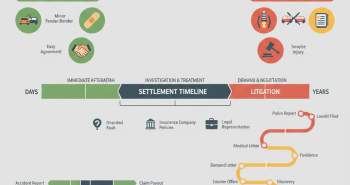
Most rear-end accident cases settle rather than go to trial. Settlements can cover expenses such as hospital stays, car repairs, and ongoing therapy. If your injuries are significant, you might also negotiate for lost wages, pain and suffering, and other non-economic damages. The specific amount varies based on factors like the severity of injuries, insurance policy limits, and whether you contributed to the accident in any way.
If you are wondering, “i got rear-ended how much money will i get,” remember that each case is different. An initial settlement offer may not match the full scope of your losses. Negotiating can be complex when a company’s sizable insurance policy is on the table, and that is one reason people often seek legal help for a fair resolution.
Case studies: Real rear-end accidents involving company vehicles
Over the years, we have assisted clients involved in a range of accidents with company cars, vans, and trucks. Some were getting rear-ended while stopped at a traffic light. Others happened at highway speeds, resulting in catastrophic injuries and extensive vehicle damage. In one instance, an employer tried to deny liability by claiming the driver was “off-duty,” even though he was making a scheduled delivery at the time. A careful review of timestamps in dispatch logs proved that the employer was indeed liable.
Real-life examples like these highlight how critical it is to conduct a thorough investigation. One missing piece of evidence can mean the difference between a dismissed claim and a reasoned settlement.
When to hire a lawyer for a rear-end accident involving a company vehicle
If the collision left you with serious injuries or you face mounting expenses, we recommend consulting a rear end accident attorney. An experienced lawyer navigates the claims process, calculates your damages, and negotiates with the insurance company to maximize your compensation. You may also discover complexities when more than one party might be at fault, which can complicate settlement talks.
Waiting too long can put you at risk of missing deadlines such as the statute of limitations. If you are uncertain about your eligibility or simply want clarity, browsing resources such as i was rear ended should i get a lawyer can help you decide on the right path forward.
How Legal Claim Assistant can help you after a rear-end collision
We understand the stress and uncertainty that follow a collision with a company vehicle. Our team at Legal Claim Assistant is here to simplify the process so that you can focus on healing. We connect you with the right legal experts, walk you through the paperwork, and offer guidance on securing the compensation you need. From sorting through insurance policies to collecting documentation, we make sure you have the resources to protect your interests.
If you have questions about next steps—or want help reviewing your case for free—reach out to us. We are ready to advocate for you, so you receive the best possible outcome. No one should navigate the aftermath of a rear-end collision alone, and we will stand by you every step of the way.
No Win, No Fee. Let the Best Motor Vehicle Accident Attorneys Fight for your Compensation!