What Is The Most Common Motorcycle Accident?
 Fact Checked By Our Attorneys
Motorcycle accidents are the leading cause of severe injuries and fatalities on the road, often resulting from driver error, distracted driving, and dangerous collisions. If you or a loved one has been hurt in one of these common motorcycle crashes, don’t wait get the compensation you deserve. Click the button below now for a free case review with an experienced motorcycle accident attorney who can help you navigate your claim and fight for your rights, especially in situations involving motorcycle fatalities or serious injuries.

No Win, No Fee. Let the Best Motor Vehicle Accident Attorneys Fight for your Compensation!
Table of Contents:

What is the most common motorcycle accident
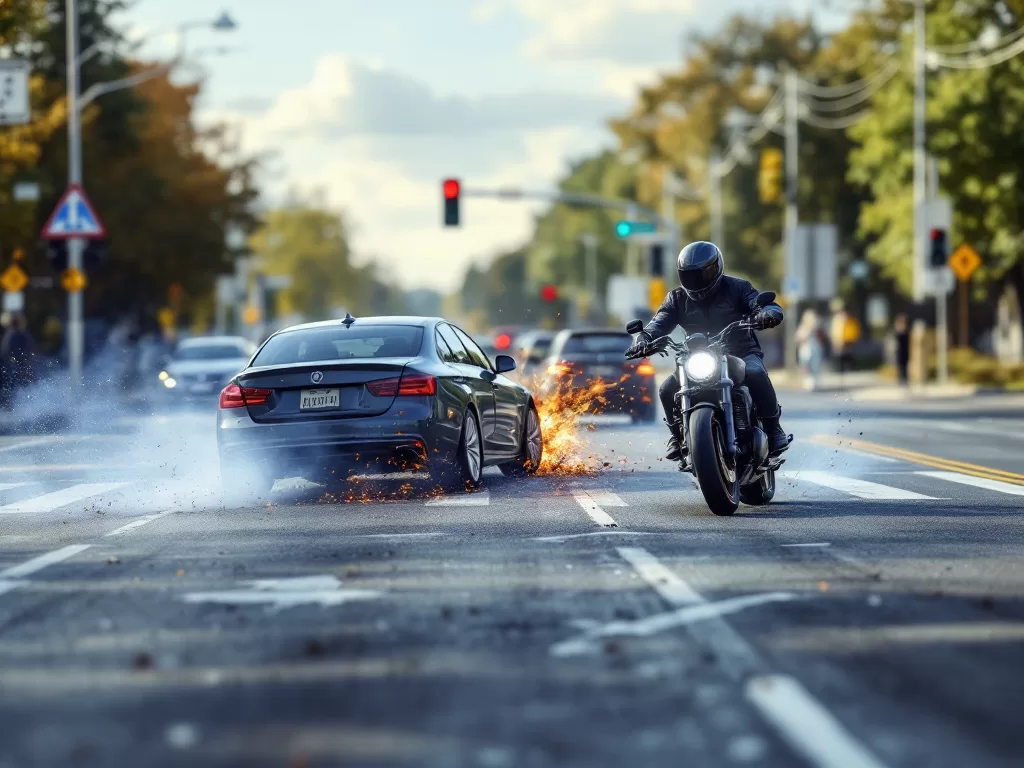
Left-turn collisions where an oncoming vehicle makes a left turn across the motorcyclist’s path—are widely recognized as the single most frequent motorcycle accident scenario. We see this type of collision featured in numerous roadway studies and personal accounts. A driver who is either distracted, misjudging speed, or unable to spot the rider in time will turn left and cut off the motorcycle. This all happens in a split second, leaving the rider with almost no time to react or brake, sometimes resulting in fatal injuries or serious leg and shoulder injuries.
Motorcyclists are far more exposed than drivers of passenger vehicles, so even these seemingly routine car-to-car collisions become extremely dangerous on a motorcycle. Because the rider is more vulnerable, side-impact crashes or front-end collisions can cause extremely severe trauma, including common head injuries, abdominal injuries, and neck injuries. Our experience confirms that left-turn accidents remain the most commonly reported crash scenario, particularly at intersections and driveways where visibility can be limited. Left-turn collisions account for 42%–50% of motorcycle accidents, highlighting the significant danger posed by this scenario. Understanding this risk gives us a foundation for discussing the root causes behind so many motorcycle crashes involving other vehicles.
What is the most common cause of motorcycle accidents
The leading cause of motorcycle accidents is driver error, in both automobile drivers and sometimes even the riders themselves. For drivers of cars or trucks, inattention or failure to yield plays a huge role in collisions. Busy intersections, unpredictable stopping distances, and blind spots contribute to the problem. The most common cause of motorcycle accidents is other drivers not seeing the motorcyclist, often due to inattentional blindness or vehicle blind spots. Even if a motorcyclist is riding responsibly, they may find themselves in jeopardy when other road users do not notice them, or do not give them enough safe distance, leading to serious injuries or fatalities.
In other cases, a motorcycle rider’s own risky behaviors such as speeding, quick lane changes without signaling, or improper changing lanes can drive up the chance of a collision. Speeding is a leading cause of motorcycle accidents, reducing a biker’s reaction time and increasing the severity of accidents. Road conditions like loose gravel, wet pavement, potholes, or wet leaves can also cause sudden loss of traction and control, posing significant road hazards. However, year after year, we observe that inattentive driving by others remains near the top of the list for why most motorcycle accidents occur. Even in the best traffic situations, it only takes a moment of distraction or failure to obey traffic laws for a crash to happen.
Motorcyclists should always obey traffic laws to minimize the risk of motorcycle accidents. Wearing protective clothing, such as leather gear, can reduce the severity of injuries like road rash in case of an accident. Regular maintenance of motorcycles is essential to prevent accidents caused by equipment failure. Motorcyclists should avoid riding under the influence of alcohol or drugs to significantly decrease their chances of being involved in an accident, as driver impairment is a leading factor in fatal single-vehicle motorcycle accidents. Taking accredited riding courses can help inexperienced riders develop the skills necessary to handle complex traffic situations safely, reducing the risk posed by rider inexperience. Motorcycle enthusiasts should also remember that even experienced riders can face crashes involving other vehicles.
How do many motorcycle crashes happen
Many motorcycle crashes happen at intersections, places where crossing lanes, turning vehicles, and merging traffic converge in one space. Intersections are inherently more chaotic. If drivers are rushing to beat traffic signals or not paying attention, the chance of collision spikes. We also see common occurrences during lane changes on highways, particularly if the motorist moving over into the rider’s lane does not check mirrors and blind spots carefully. Motorcycles are significantly smaller than cars, making them easier to overlook during lane changes, often causing fatal injuries or serious head injuries.
Another factor is the difficulty other vehicles have gauging a motorcycle’s speed and distance. Because motorcycles are smaller than passenger cars, a driver may underestimate how close the bike is or how quickly it is approaching. When a vehicle darts into the path of a motorcycle, the rider frequently has no room for error and cannot maneuver safely away. While helmets and other protective gear can lessen the severity of injuries such as leg injuries, shoulder injuries, and abdominal injuries, the impacts of these crashes can be life-altering for injured motorcycle drivers.
Common types of motorcycle accidents
Motorcycle accidents can unfold in several distinct ways. Appreciating their differences can help us better prepare for safer riding and highlight the importance of defensive driving. Below are a few of the most common types:
- Left-turn collisions: Where a motorist makes a left turn across an oncoming motorcycle’s path. This type of accident happens frequently at intersections and two-way streets, sometimes leading to motorcycle fatalities.
- Rear-end crashes: These can occur when a car follows a motorcycle too closely and collides with it during a sudden stop or slowdown. Following too closely is a common cause of rear-end accidents involving motorcycles and can result in serious injuries.
- Lane-change sideswipes: When a car drifts over into a lane without noticing the motorcycle next to it. Blind spots and lack of signaling often play a big role here, potentially causing leg injuries or shoulder injuries.
- Head-on collisions: Although less common than side impacts, these crashes tend to be the most severe because both the bike and the vehicle are traveling toward each other at high speeds. Head-on collisions account for approximately 56% of all motorcycle-related deaths involving other vehicles and are often associated with fatal injuries and common head injuries.
- Dooring accidents: These occur when a parked driver opens their door into the path of an oncoming motorcycle, often causing serious crashes.
- Single-vehicle accidents: Many accidents involve only the motorcycle, resulting in lowside or highside crashes, often caused by fixed objects or loss of control. Single-vehicle accidents involving fixed objects account for about 25% of motorcycle fatalities.
Each of these scenarios places the rider at risk, but they also stand as warning signs for us to be vigilant, ride aware of our environment, and anticipate the common mistakes drivers might make. Understanding the injuries sustained in each crash can also help guide victims toward timely medical attention and legal advice from experienced motorcycle injury attorneys.
Typical injuries resulting from motorcycle accidents
Even at relatively low speeds, a motorcycle crash can cause injuries that significantly impact a rider’s quality of life. Because there is far less protection on a motorcycle, even a light collision may result in serious physical harm. Some of the common motorcycle accident injuries we see include broken bones, fractures (including femurs, forearms, shins, and pelvis bones), and extensive road rash, which in extremely severe cases may require skin grafts. Road rash is a common injury that occurs when riders are thrown from the bike and skid on the pavement. Such injuries can be life-changing and require immediate attention from medical professionals.
Head injuries are also a major concern; helmets that meet U.S. Department of Transportation safety standards are crucial in preventing skull fractures, traumatic brain injuries (TBI), and brain damage. Traumatic brain injuries are the leading cause of death among injured motorcyclists and can result in permanent paralysis.
Spinal injuries can lead to long-term disability, chronic pain, nerve damage, paralysis, and even death. Motorcyclists are at risk of suffering serious neck injuries, which can damage the spinal cord and cause partial or total paralysis. Abdominal injuries, including lung lacerations and rib fractures, can also occur in motorcycle accidents. Leg injuries and shoulder injuries are common and often require months of rehabilitation.
Motorcycle accident injuries typically affect the lower extremities, including the knees, calves, ankles, and feet. Biker’s arm is one example, where a rider injures nerves in the arm or shoulder by attempting to brace against the ground during a fall, causing nerve damage. Even after emergency medical treatment, motorcycle accident victims often need extensive follow-up treatments, physical therapy sessions, or surgeries. If you have gone through these challenges, you are not alone; there are legal pathways such as filing a motorcycle accident lawsuit to help you pursue compensation for financial burdens like medical bills, lost wages, or ongoing rehabilitation costs.
No Win, No Fee. Let the Best Motor Vehicle Accident Attorneys Fight for your Compensation!