How Can Pedestrian Accidents Be Reduced?
 Fact Checked By Our Attorneys
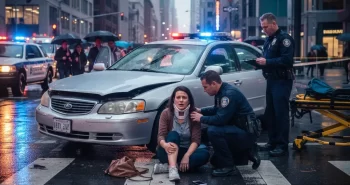
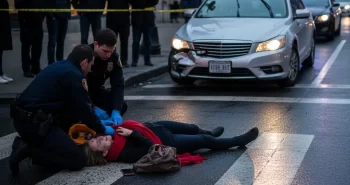
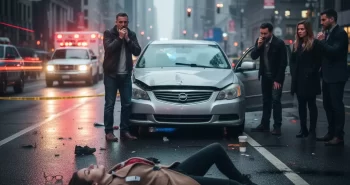
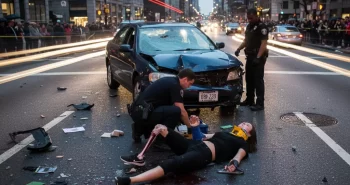
Pedestrian accidents remain a persistent concern in many parts of the world, often leading to serious injuries and, in the worst cases, pedestrian fatalities. If you or a loved one has been affected by a pedestrian accident, don’t wait get the expert help you need now. At Legal Claim Assistant, we make it easy to connect you with experienced pedestrian accident lawyers who can fight for your rights. Our free case review is quick, confidential, and comes with no obligation. Take the first step toward justice and financial recovery today by clicking the button below to start your free case review.

No Win, No Fee. Let the Best Motor Vehicle Accident Attorneys Fight for your Compensation!
Table of Contents:

How to Reduce Pedestrian Accidents: Practical Strategies and Case Studies
In communities nationwide, public safety officials strive to curb the number of pedestrian-related collisions through education campaigns, targeted enforcement, and thoughtful planning. Everyone has a responsibility to ensure pedestrian safety, including pedestrians, drivers, and all road users. Organizations such as the Governors Highway Safety Association and the National Highway Traffic Safety Administration play key roles in promoting pedestrian safety and distributing valuable safety tips. Community initiatives and public awareness campaigns can help reduce traffic safety risks to pedestrians, including those caused by traffic crashes and passing stopped vehicles, and taking a moment to consider safety can help reduce pedestrian accidents in communities. Community involvement in pedestrian safety initiatives can lead to a safer environment for all road users.
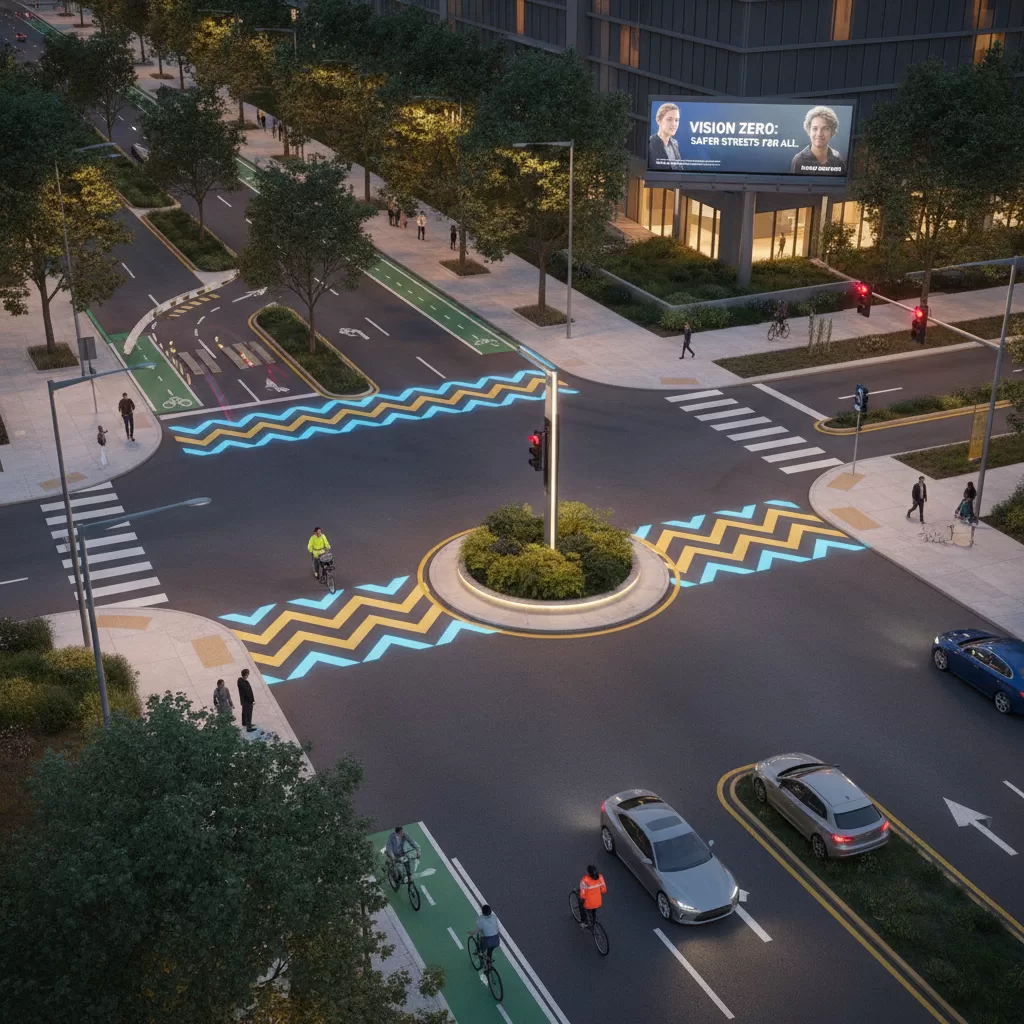
We support these efforts with research-based insights that can guide city planners and drivers alike. One effective approach is the safe system approach, an initiative with the bold goal of eliminating traffic fatalities and severe injuries. Cities adopting Vision Zero often combine street redesign, lower vehicle speed limits, and public messaging to change driver and pedestrian behaviors. Cities like Dallas and Nashville have adopted Vision Zero multi-year action plans to eliminate traffic fatalities by using data-driven interventions. In areas with posted speed limits near schools or busy intersections, campaigns encourage drivers slow and be aware of stopped vehicles, school bus activity, and bus stops.
We also see examples of success stories. In some urban areas, long-standing infrastructures such as footbridges, pedestrian refuge islands that allow pedestrians to cross one direction of traffic at a time, and well-lit crosswalks have cut accidents significantly. Enhanced street lighting and traffic calming measures can significantly decrease pedestrian accidents, especially at night, which is critical since nearly half of pedestrian fatalities occur in darkness. Where sidewalks are available, pedestrians should use them to avoid potential hazards from vehicles. If no sidewalks are available, pedestrians should walk facing traffic and stay as far from the road as possible. Pedestrians should also stay visible to other vehicles, especially when approaching crosswalks or areas with limited sight lines.
Where these cannot be installed, robust public education about wearing bright or reflective clothing in dark or bad weather conditions can go a long way in protecting pedestrians. Educational campaigns advising pedestrians to avoid distractions and use designated crosswalks can prevent accidents. Pedestrians should use crosswalks whenever possible to reduce the likelihood of an accident. Pedestrians should look both ways before crossing any road, regardless of whether they’re using a crosswalk, and obey traffic signals and pedestrian crossing lights to ensure their safety. Pedestrians should avoid distractions, such as using a phone or wearing headphones, to stay alert while walking. Pedestrians should be cautious at driveways, parking spaces, and areas where vehicles may suddenly back out, as vehicles can exit these areas without warning.
Each of these strategies, though distinct, centers on the shared objective of reducing harmful incidents and keeping pedestrians safe. Beyond physical measures, consistent traffic law enforcement also aims to deter reckless behavior, whether from those behind the wheel or on foot. Many accidents occur when drivers fail to yield to pedestrians who are legally crossing the street. Distracted driving is one of the leading causes of pedestrian accidents, and speeding is a major contributor. Alcohol consumption by either drivers or pedestrians increases the likelihood of accidents. Inexperienced drivers may not be fully aware of the rules regarding pedestrians, leading to accidents. Poor road conditions, such as potholes and uneven surfaces, can contribute to pedestrian accidents. Bad weather conditions can make driving and walking more dangerous, increasing the risk of pedestrian accidents. A lack of awareness from both drivers and pedestrians can lead to accidents, especially near school bus stops, parked vehicles, or areas where vehicles are passing stopped vehicles.
Understanding Pedestrian Accident Risks
Pedestrians are inherently vulnerable to collisions due to their lack of physical protection compared to vehicle occupants. Even at relatively low speeds, the impact from a car or truck can result in severe pedestrian accident injuries, such as broken bones, spinal trauma, or head wounds. We also know that certain demographics, like older adults or children, face higher risks because they may struggle to judge traffic patterns or cannot move out of danger as quickly.
Moreover, pedestrians often share space with a range of vehicles, from smaller cars to trucks and buses. In busy crossroads, a vehicle pedestrian accident can happen if the driver fails to yield or if a pedestrian steps off the curb unexpectedly. Recognizing the potential for hazard based on environment, time of day, and other factors is the first step in formulating preventive measures. If a collision does occur, ensuring prompt medical attention remains crucial to minimize harm and start a detailed record for potential pedestrian accident claims. If you’re involved in a pedestrian accident, it’s important to seek medical attention immediately. Additionally, thorough documentation, including eyewitness accounts and scene photographs or videos, can strengthen a legal case and support initiatives that push for more protective street designs in high-risk areas. Gathering information from the driver and witnesses, including the number of drivers involved, is crucial for filing insurance claims and building a legal case.
Common Causes of Pedestrian Accidents
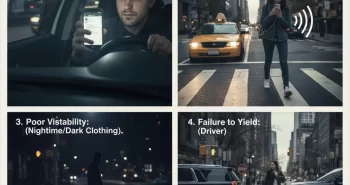
Though every case is unique, several broad factors routinely appear in pedestrian crash reports. According to many traffic studies, driver inattention plays a leading role. This inattention can stem from texting while driving, adjusting vehicle controls, or simply not scanning the roadway thoroughly. Equally critical is pedestrian inattention, such as walking while using a smartphone or wearing headphones that block external sounds. Both parties must remain fully aware of their surroundings and avoid distractions to reduce the margin for error.
Speeding is another common pillar of risk. Higher vehicle speeds not only shorten the time pedestrians have to react, but also magnify the force of impact. In addition, failing to obey traffic signals, driving under the influence, and poor lighting conditions can combine to create a lethal mix. For a more in-depth look at specific hazards, you may consult our resource on what are the main causes of pedestrian accidents. By pinpointing these root factors, safety advocates and policymakers can direct their attention to re-engineering roads, stepping up enforcement, or launching educational outreach to lower the likelihood of traffic crashes, particularly when passing stopped vehicles or school buses at bus stops.
High-Risk Locations and Situations
Intersections and busy urban areas often see the highest number of pedestrian incidents. The convergence of cars, buses, cyclists, bicyclists, and foot traffic can lead to confusion, especially if traffic signals are complex or poorly timed. In suburban or rural areas lacking proper sidewalks, pedestrians might be forced to walk facing traffic along narrow road shoulders. As we might expect, these locations significantly increase the odds of a pedestrian accident at intersections or on a main thoroughfare.
Construction zones present additional complications. Reduced roadway space and temporary detours can leave pedestrians crossing streets in unexpected spots. We also observe higher risks around school zones, where young students may not consistently follow safe crossing rules. Understanding these hot spots encourages local authorities and infrastructure planners to focus resources where the need for safety upgrades is most urgent. Even parking lots and areas around parking spaces can become risk zones if vehicles exit without warning or pedestrians are not vigilant. Identifying these location-based factors helps communities develop well-informed solutions that prompt drivers to slow and pedestrians to remain vigilant.
Times and Conditions That Increase Pedestrian Accidents
Nighttime remains a particularly dangerous timeframe due to reduced visibility, even if overall traffic volume is lower. Pedestrians wearing dark clothing can be virtually invisible to drivers until it is too late. Poor weather such as heavy rain, fog, or snow also impacts driver reaction times, making it more challenging to spot someone crossing the street. Indeed, the combination of low visibility and slippery roads can become deadly if drivers do not adjust their speed or keep enough distance from stopped vehicles or other vehicles approaching crosswalks.
Weekend nights can heighten risk as well. There can be an uptick in impaired driving or faster driving speeds on less congested roads. We generally recommend extra caution during these hours, including the use of bright or reflective clothing or carrying a flashlight. Although not every crash can be predicted, recognizing these patterns helps us all approach the road with greater vigilance. By planning travel routes during daylight when feasible, or relying on well-lit thoroughfares, pedestrians can further minimize the likelihood of a dangerous encounter with traffic.
No Win, No Fee. Let the Best Motor Vehicle Accident Attorneys Fight for your Compensation!
Pedestrian Behaviors That Increase Risk
Although drivers hold an immense responsibility for road safety, pedestrians can inadvertently place themselves at risk. Jaywalking, for example, remains a frequent cause of pedestrian collisions, particularly when individuals are in a hurry. Other high-risk behaviors include crossing outside of designated crosswalks, rushing across busy roads, or wearing hooded jackets that limit peripheral vision.
We have also seen a rise in “texting while walking.” Distracted walking can cause people to step off the curb with little notice or fail to notice oncoming traffic. When pedestrians are not fully alert, any slight miscalculation or unexpected turn by a driver can result in severe harm, including pedestrian accident spinal injury or broken bones. By following traffic signals and staying aware of surroundings, pedestrians can drastically lower their risk of harm. Reducing headphone volume and focusing on real-world cues also provide valuable extra seconds to respond if a driver makes a sudden move. Pedestrians should pay special attention when crossing near school buses or parked vehicles, and ensure they look for traffic passing stopped vehicles.
Driver Behaviors That Increase Risk
Drivers who ignore speed limits, fail to yield, or drive while fatigued put pedestrians in immediate danger. Even a brief glance away from the road to read a text message can carry devastating consequences if a pedestrian suddenly steps into a crosswalk. We also see a correlation between impaired driving and accidents on highways and residential streets alike, underscoring the constant importance of sober driving.
An overly aggressive driving style, such as weaving through traffic or accelerating quickly from a stop sign, further reduces reaction time. In congested urban centers, making a quick turn without checking for pedestrians in the crosswalk regularly leads to collisions. Encouraging drivers to remain focused and patient, and penalizing reckless or intoxicated driving, remains a core strategy for how to reduce pedestrian accidents and create safer roads. Moreover, consistent driver training refreshers and public safety announcements can cultivate an environment where motorists view pedestrian safety as a personal obligation, not just a legal expectation.
How Infrastructure Can Reduce Pedestrian Accidents
Well-designed infrastructure significantly mitigates the risk of pedestrian-related incidents. Features such as raised medians, speed bumps, and well-marked crosswalks send a clear signal to drivers that pedestrians are present. In areas with high foot traffic, installing pedestrian-controlled traffic signals can allow enough time for individuals to cross safely. Cities are also investing in better lighting, ensuring that crosswalks remain brightly illuminated at night.
Curb extensions, known as bulb-outs, effectively narrow the roadway and shorten crossing distances. This can be especially beneficial near schools, hospitals, or elder care facilities. Guaranteeing your local representatives understand the powerful effect of infrastructure improvements can speed up adoption. Enhancing sidewalks, adding protective barriers, or creating dedicated pedestrian zones are key public safety measures with measurable results. Some locales also experiment with “shared spaces,” where vehicles and pedestrians intermingle at very low safe speeds. Such designs reduce the psychological separation between drivers and those on foot, prompting more careful driving and heightened pedestrian awareness.
Proven Case Studies of Accident Prevention
Many municipalities have already demonstrated that targeted initiatives can save lives. For instance, local leaders in one city lowered the speed limit on major residential streets from 35 mph to 25 mph, then launched a public-awareness campaign about the change. Within a year, the number of collisions involving pedestrians dropped by nearly 20 percent.
Another effective measure arose when a district upgraded multiple intersections with flashing beacons and highly visible signage. This shift encouraged drivers to slow and yield more reliably and gave pedestrians a safer crossing experience. When we apply data-driven interventions to our communities, we see similar patterns of success. It starts with identifying problem spots, implementing structured improvements, and continuously measuring progress. On a broader scale, some projects integrate machine-learning software on traffic cameras to analyze near-miss incidents, enabling local officials to see patterns before they escalate into serious accidents. These forward-thinking approaches demonstrate that innovation can be harnessed in the service of safer transportation and streets.
Legal Insights and How a Pedestrian Accident Lawyer Can Help
In 2023, 7,314 pedestrians were killed and more than 68,000 pedestrians were injured nationwide. If an accident occurs despite preventive measures, the aftermath can be overwhelming. Medical bills, rehabilitation costs, and lost income often pile up rapidly, leaving injured individuals unsure of where to turn. This is where a legal professional experienced in pedestrian accident lawsuits becomes invaluable. By understanding pedestrian accident liability laws and the specific circumstances of your collision, an attorney can advocate for the best possible outcome, whether that involves negotiating a settlement or filing a pedestrian accident lawsuit.
We at Legal Claim Assistant connect victims to the right resources, helping them understand their eligibility for pedestrian accident compensation and guiding them through each phase of the claims process. Legal Claim Assistant provides free case reviews and connects claimants with attorneys for personal injury cases. Legal services are offered on a contingency basis, meaning clients pay only if they win their case. The right pedestrian accident law firm will gather evidence such as medical reports, witness statements, and police records to establish the at-fault driver’s responsibility. You should call the police to report the accident, as they will document the incident for future reference. Documenting the scene of the accident with photos or videos can serve as critical evidence in legal disputes. Effective legal counsel ensures fair compensation, enabling victims to focus on healing and rebuilding their lives. Pedestrian accident victims can seek compensation for medical bills, lost wages, and other damages. At the same time, the legal process holds negligent parties accountable, further encouraging safer driving and heightened public awareness. For some cases, time is of the essence, and it is wise to learn how long after pedestrian accident can you sue to preserve your right to seek justice.
Tips for Pedestrians to Avoid Accidents
Staying safe as a pedestrian entails combining common sense with awareness of the most common risks. Although accidents can still happen, taking small precautionary steps can substantially reduce your risk. Below are a few recommendations we have found especially helpful:
Cross at designated crosswalks and wait for the walk signal to appear, even if traffic looks sparse.
Stay alert by putting your phone away, removing headphones, and making eye contact with drivers before crossing.
Increase your visibility by wearing bright or reflective clothing, especially in the evening or during poor weather.
Advocate for safe infrastructure improvements or traffic changes in your neighborhood by attending community meetings and discussing road safety with local officials. Pay attention to approaching crosswalks, bus stops, and parked vehicles to anticipate potential hazards. Always yield when passing stopped vehicles and watch for school buses unloading children.
We encourage everyone to approach roads with mindfulness. If you or a loved one experiences a severe collision, remember that professional support is available. Our team at Legal Claim Assistant is here to guide you in connecting with resources, from medical care to pedestrian accident legal advice. By working together, we can achieve safer streets that serve us all. Paying attention to surroundings, obeying traffic signals, and understanding the importance of designated crossing points can go a long way in preventing tragedy. And if tragedy does strike, know that you do not have to navigate the aftermath alone. From immediate medical attention to potential legal avenues, multiple support systems exist to help you recover physically, emotionally, and financially. Contact us today for a free consultation to discuss your case and explore your options.
No Win, No Fee. Let the Best Motor Vehicle Accident Attorneys Fight for your Compensation!