How Much Compensation Can You Get for a Pedestrian Accident Settlement?
 Fact Checked By Our Attorneys
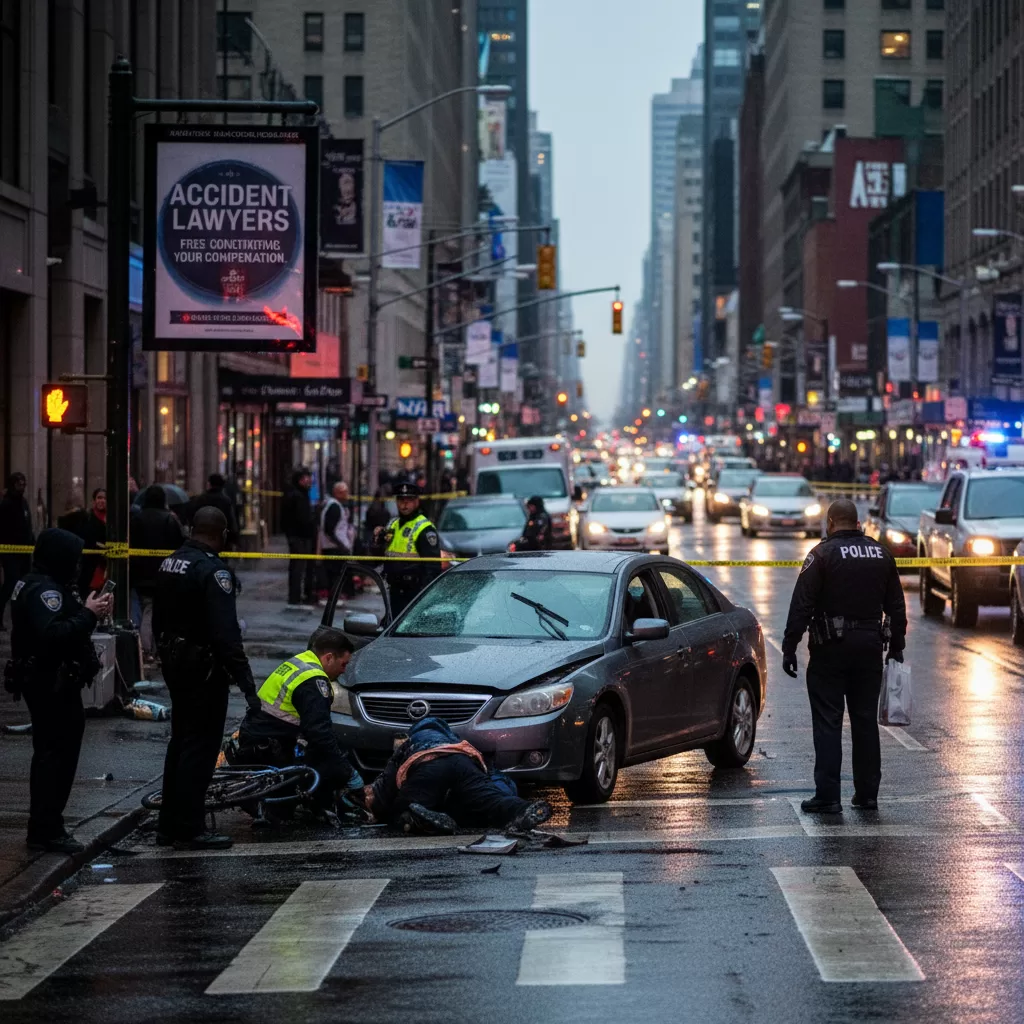
When it comes to pedestrian accident compensation, getting the right support can make all the difference in maximizing your settlement. If you’ve been injured after being hit by a car or involved in a traffic accident, don’t navigate the complexities alone let our experienced team help you pursue the compensation you deserve. Ready to take the next step? Click the button below to get your free case review and find out how a dedicated pedestrian accident lawyer can fight for your fair compensation today.

No Win, No Fee. Let the Best Motor Vehicle Accident Attorneys Fight for your Compensation!
Table of Contents:

Understanding pedestrian accident compensation
Pedestrian accident compensation is meant to bridge the gap between your pre-accident life and your post-accident reality. Injuries sustained from a vehicle-pedestrian collision can be devastating, often resulting in severe injuries such as traumatic brain injuries, spinal cord injury, or other catastrophic injuries requiring extensive medical care. Injuries sustained in pedestrian accidents are often more severe than those experienced by vehicle occupants due to the lack of physical protection. Common injuries in pedestrian accidents include traumatic brain injuries, spinal cord injuries, broken bones, and internal organ damage. Traumatic brain injuries (TBI) can result from pedestrian accidents and may lead to memory loss, cognitive impairment, and require long-term care. Spinal cord injuries from pedestrian accidents can lead to paralysis and significant changes in mobility and independence. Broken bones and fractures are common injuries in pedestrian accidents, often requiring surgical intervention and leading to long recovery times. Internal organ damage can occur in pedestrian accidents, which may not be immediately visible but can lead to serious complications. Crush injuries and amputations can result from pedestrian accidents, leading to significant pain and long-term psychological trauma. Soft tissue injuries, while often less severe, can still cause lasting pain and mobility issues after a pedestrian accident. Compensation attempts to make you whole again by covering your losses, from medical bills and future medical bills to lost income and emotional distress.
We understand how life-altering these injuries can be. When you are worried about upcoming surgeries, ongoing therapy, and mounting medical expenses, you should not have to juggle the legal burden alone. That is why an effective claim addresses both the tangible and intangible losses you have suffered, including physical pain, chronic pain, and psychological trauma. Our experience has shown that the more complete your documentation, including medical records from medical professionals, the stronger your compensation case becomes. Medical evidence includes seeking care immediately to establish a direct link between the accident and injuries, and following treatment plans to avoid gaps that insurers might exploit to devalue claims.
Consulting with an experienced pedestrian accident lawyer is the best way to understand your legal rights and build a strong case. Once you hire a pedestrian accident lawyer, they will investigate your case in-depth, helping to gather evidence and document the impact of injuries on daily life, which can increase non-economic damages in a claim. Legal representation is crucial in cases where liability is disputed, as attorneys can gather evidence to prove negligence and identify all potential sources of compensation, including various insurance policies. Most pedestrian accident attorneys work on a contingency fee basis, meaning they only get paid if you win your case.
How much compensation can you get for a pedestrian accident
The financial recovery you may receive after a pedestrian accident varies widely. Some pedestrian victims obtain smaller amounts to cover relatively minor injuries and short-term medical costs. Others may collect six figures or more in cases involving severe trauma and extended recovery. Typically, determining settlement values hinges on factors such as injury severity, who was at fault, and whether future expenses, like rehabilitation and nursing care, are required. Catastrophic injuries like traumatic brain or spinal damage lead to much higher settlements than minor sprains due to requiring lifelong care and impacting future earning capacity.
We often see that the most serious cases involve long-term medical needs, which in turn drive up the total settlement amount. For instance, someone with multiple fractures or significant spinal cord damage may be eligible for far more compensation than an individual with minor bruises and a sprain. You also have to consider the insurance policy limits of the negligent party or at fault party. If they lack sufficient coverage, you might have to rely on your own policy or pursue a pedestrian accident lawsuit against other parties. Victims can file a lawsuit if insurance settlements are insufficient or liability is disputed. Comprehensive damages may be pursued in a lawsuit to seek a higher value than what insurance adjusters initially offer. If the driver’s insurance limits are reached, a lawsuit allows seeking the defendant’s personal assets. Ultimately, each personal injury case is unique, and speaking with a qualified professional can give you a better idea of the likely range of your settlement, including the average pedestrian accident settlement.
The pedestrian accident settlement process typically takes several months to two years or even more. You should initiate a claim immediately after a pedestrian accident because evidence can disappear after the collision. Each state has a statute of limitations that places a strict deadline on your right to file a pedestrian accident lawsuit.
Types of compensation in pedestrian road accidents
When reviewing a vehicle pedestrian accident, it helps to break compensation down into distinct categories to better understand your claim. Generally, you can receive compensation that covers:
- Economic damages, such as medical bills, lost wages or lost income, out-of-pocket costs, and property damage including personal items like phones, laptops, or jewelry damaged during the incident.
- Non-economic damages, which cover pain and suffering, emotional distress, loss of enjoyment of life, loss of consortium, or reduced quality of life.
- Punitive damages, usually awarded in special cases to punish extremely negligent behavior.
In most pedestrian accident claims, economic and non-economic damages compose the largest share of the settlement. Meanwhile, punitive damages apply to very specific situations, such as a drunk or reckless driver who exhibited outrageous disregard for human safety or violated traffic regulations. By separating these amounts, you gain a clearer sense of exactly what is being compensated and why.
Economic damages in pedestrian accidents
Economic damages focus on the direct monetary costs you have incurred due to the collision. These can include emergency room visits, surgery, physical therapy, prescription medications, medical expenses, hospital stays, medications, and any medical equipment needed for your recovery. If your injuries prevent you from working, you can also seek reimbursement for lost earnings, as well as any future lost earning capacity. Out-of-pocket costs reimburse transportation to appointments, home modifications for disabilities, and childcare expenses. Personal Injury Protection (PIP) or MedPay policies pay for medical bills regardless of who caused the accident in no-fault states. Health insurance can cover medical bills after a pedestrian accident, but may seek reimbursement from a final legal settlement.
We recommend documenting every out-of-pocket expense related to your accident. Save your hospital bills, receipts for medication, and notes from employer HR departments outlining missing work hours. If you suffered more complex harm, such as a pedestrian accident spinal injury, those records can play a pivotal role in illustrating the true cost of your recovery. By presenting a clear, compelling picture of your financial consequences, you stand a better chance of obtaining maximum compensation.
Non-economic damages in pedestrian accidents
Not all losses show up in your bank statement. When you suffer from daily pain, emotional distress, or a diminished ability to enjoy hobbies and activities you once loved, you are dealing with non-economic damages. These damages can vary widely from one person to the next, as each individual experiences injuries differently.
In our experience, people sometimes overlook the emotional and psychological toll of a serious crash. Maybe you are uneasy crossing the street, or perhaps your anxiety has led to difficulty sleeping. A formal claim for non-economic damages attempts to quantify these otherwise intangible harms. While no dollar amount fully erases trauma, fair compensation can bring added security and acknowledge the long-lasting effects on your day-to-day life.
Punitive damages and special cases
Certain accidents involve extreme driver negligence or misconduct that goes beyond ordinary carelessness. In these situations, you might pursue punitive damages in addition to economic and non-economic compensation. Punitive damages typically arise when drivers were under the influence, engaged in reckless street racing, or deliberately ignored traffic laws.
Our team has seen punitive damages awarded in a narrow set of circumstances, and they often significantly increase a total settlement. However, be aware that punitive damages are not automatic. You must prove that the wrongdoer’s actions were exceptionally irresponsible and deserving of additional penalties. If you suspect the negligent party who hit you behaved in a blatantly dangerous manner, discussing the possibility of punitive damages with a pedestrian accident attorney is a smart next step.
No Win, No Fee. Let the Best Motor Vehicle Accident Attorneys Fight for your Compensation!
Factors that affect pedestrian accident compensation
Many variables come into play when determining compensation. Some of the most influential include:
Degree of fault: If the other driver is clearly at fault, you typically receive a more significant settlement. When fault is shared, as under the comparative fault system, it can reduce the total amount. In strict liability states, even 1% fault can prevent recovering any damages.
Severity of injuries: Serious or long-term injuries tend to lead to higher payouts, especially if costly treatment or extended recovery is required.
Swift medical attention: Seeking prompt care from medical professionals establishes a clear link between the accident and your injuries. Delayed treatment can open the door to disputed liability or attempts to deny valid claims about the seriousness or cause of your condition.
Insurance coverage: A driver with high insurance limits may lead to a larger settlement, though pedestrian accident uninsured driver cases introduce additional challenges. You may then have to rely on your own uninsured motorist policy.
All these elements interconnect, creating a complex puzzle that can be best navigated by experienced personal injury lawyers or pedestrian accident attorneys. If you are juggling treatments, bills, and an insurance claim, remember that getting proper legal guidance can help you avoid pitfalls and secure the compensation you deserve.
Common causes and scenarios leading to pedestrian injuries
Pedestrian accidents often happen in places that should be safe, such as crosswalks, bus stops, or neighborhood streets. Some of the most common causes we see include distracted driving, speeding, and failure to yield at crosswalks. Impaired driving is another major factor, with alcohol or drugs frequently contributing to severe collisions. Driver negligence, such as driving under the influence or texting, can strengthen a case and lead to higher payouts or punitive damages.
The circumstances surrounding the accident also play a role in determining liability and potential settlement amounts. For instance, a pedestrian accident at intersection may involve unclear right-of-way rules or a faulty traffic signal. In another scenario, a pedestrian hit by car in a crowded parking lot could lead to different considerations, especially regarding visibility and speed limits. For additional context, we encourage you to explore discussions about what are the main causes of pedestrian accidents and how they factor into different legal outcomes.
How to claim compensation after a pedestrian accident
Filing a claim after a pedestrian accident can feel overwhelming. To help you get started, we suggest these steps:
- Seek immediate medical attention. If you did not visit a doctor right away, do so as soon as possible. This protects your health and strengthens the link between the accident and your injuries.
- Gather evidence. Take photos of the accident scene, collect contact information from any witnesses, and obtain a copy of the police report. Immediate documentation includes filing a police report, collecting driver details, and taking photographs of the scene and injuries.
- Notify the relevant insurance companies. Filing the claim involves notifying the at-fault driver’s insurance company or your own Uninsured/Underinsured Motorist (UM/UIM) coverage if necessary. UM/UIM coverage applies if the driver has no insurance or fled the scene (hit-and-run).
- Consult a professional. Most pedestrian accident attorneys recommend speaking with a pedestrian accident lawyer who can clarify your options, especially in more complex situations. If time has passed, it is also wise to learn how long after pedestrian accident can you sue in your jurisdiction.
Demand and negotiation involve sending a demand letter outlining injuries and total financial losses, with most cases settled through negotiations. If negotiations fail, your lawyer may need to file a pedestrian accident lawsuit to keep your case moving forward. Litigation involves filing a formal lawsuit, exchanging evidence during discovery, and potentially leading to a jury trial.
Working through these steps methodically often increases the odds of a successful personal injury claim. We encourage you to remain transparent and thorough during each stage, documenting every conversation and incident detail to eliminate confusion or disagreements later on.
What a pedestrian accident compensation lawyer can do for you
Even if you feel confident negotiating on your own, having an attorney by your side can provide significant advantages. Here at Legal Claim Assistant, we believe in the importance of professional advocacy for several reasons:
Investigating all liable parties: An attorney can dig deeper to identify additional at-fault individuals or entities, possibly boosting the compensation pool. Third-party claims may be brought against other parties, such as vehicle manufacturers for defects or municipalities for unsafe road designs.
Handling paperwork and deadlines: Filing a claim requires meeting strict legal and administrative timelines. A missed deadline can jeopardize your case.
Negotiating skillfully: Insurance adjusters often aim to minimize payouts. A qualified personal injury attorney understands their tactics and can counter effectively to protect your interests.
Ultimately, a pedestrian accident law firm or individual attorney can give you valuable guidance at each step, from collecting records to navigating complex settlement talks. By reducing the strain on you, they enable you to prioritize recovery without fear of missing critical legal nuances.
Case studies: real pedestrian accident settlements
Although every case is distinct, examples of past settlements can offer a general sense of how damages might add up. Below is a simplified table showing hypothetical scenarios and approximate ranges to illustrate how injuries and circumstances can influence final outcomes. Keep in mind that these figures are purely for demonstration, and actual results can vary significantly.
| Scenario | Injuries | Potential Compensation Range |
|---|---|---|
| Driver fails to yield at crosswalk | Broken bones and concussion | $50,000 – $120,000 |
| Distracted driver hits pedestrian in intersection | Spinal injuries, long rehab | $150,000 – $250,000 |
| Hit-and-run with at-fault driver later identified | Moderate whiplash, anxiety | $30,000 – $60,000 |
We want to stress that there is no universal formula to predict your exact award, especially before a thorough investigation. A qualified pedestrian accident legal advice session can help you interpret similar settlements and align your expectations with the reality of your case.
How Legal Claim Assistant helps you get your pedestrian accident compensation
At Legal Claim Assistant, our primary commitment is to ensure you know your rights and can seek the compensation you deserve. First, we connect you with resources to thoroughly document your injuries and losses. We then help you find an attorney who specializes in your type of case, be it a pedestrian accident claims process or more intricate litigation.
We also guide you through gathering medical records, police reports, witness statements, and any other supporting evidence that strengthens your case. Our team has seen firsthand how proper documentation can increase settlement amounts, and we work diligently to cover every angle. If your accident resulted in profoundly serious injuries or tragic outcomes like a pedestrian accident wrongful death, we do our utmost to find you a legal partner who can advocate passionately on your behalf.
By tapping into our network and expertise, you are free to concentrate on healing. We firmly believe that knowledge is power, and our collective goal is to empower pedestrian accident victims to take the best possible next steps. When you are ready to discuss your claim or simply want more information about your legal options, you can reach out to us for a free consultation. We are here to serve as your ally as you pursue the compensation you and your loved ones truly deserve.
No Win, No Fee. Let the Best Motor Vehicle Accident Attorneys Fight for your Compensation!