Philips CPAP Headgear Recall and Legal Claim Eligibility
 Fact Checked By Our Attorneys
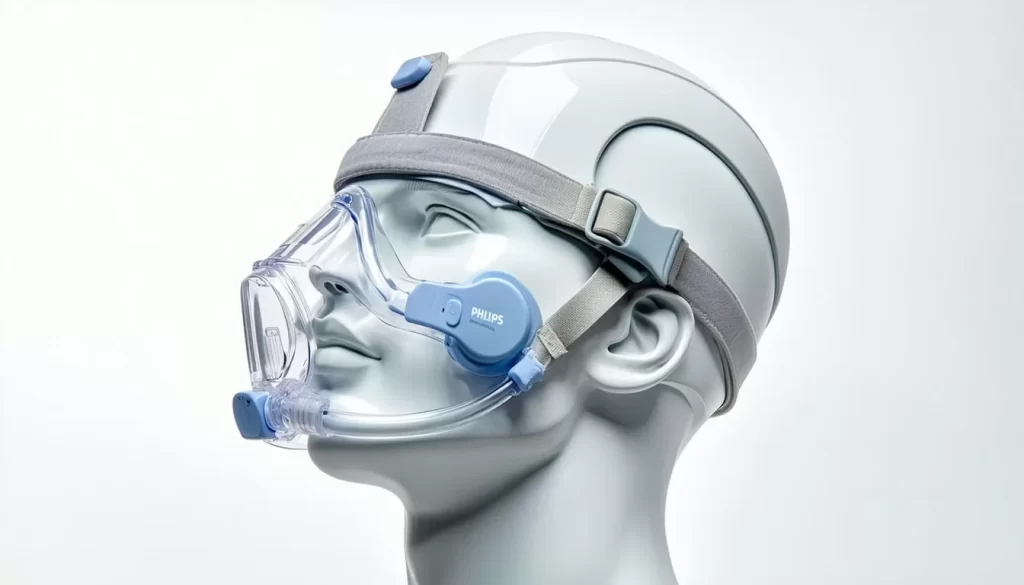
Philips CPAP headgear users may be eligible for compensation due to recalled device concerns. This guide explains how to check eligibility, gather documentation, and take legal steps to join a Philips CPAP lawsuit or settlement. You will learn the process for seeking compensation through free case reviews and qualified attorneys. This content is for potential claimants, not for medical guidance.
Table of Contents:

Check Device Eligibility for Your Claim
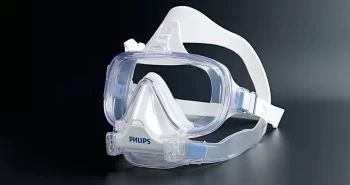
Philips CPAP headgear is designed to keep your CPAP mask in place during sleep so that continuous airflow stays consistent. Although designs can vary, most headgear involves adjustable straps that loop around the back of the head and above the ears. This ensures the mask stays sealed against the face, reducing air leaks and helping keep the airway open.
I have noticed that the headgear often comes in a range of sizes, each meant to match different face shapes and personal preferences. Knowing which size fits best is essential. If the mask is too tight, it can lead to discomfort or even soreness on the bridge of the nose, cheeks, or back of the head. On the other hand, an overly loose fit could cause air leaks and disrupt therapy throughout the night, potentially undermining the main goal of CPAP treatment: a steady supply of air that addresses sleep apnea or other breathing-related concerns.
Document Device Details
From my experience, the design of Philips CPAP headgear centers on comfort, durability, and adjustability. The straps are typically made of soft fabric or neoprene-based materials to prevent excessive skin irritation. This design is meant to accommodate users who might be more sensitive to pressure along the jaw or cheeks.
Philips headgear usually includes Velcro or clips on each side to allow quick release. This can be especially useful if you need to get out of bed at night and want to remove the mask swiftly. For people who struggle with fine motor skills or grip strength, these user-friendly features can be crucial. In some cases, advanced headgear models may come with magnetic clips, though these might not be suitable for individuals with certain medical devices, such as pacemakers.
Review Recalled Device Concerns for Legal Action
I have heard from a number of CPAP users that one of the most frequent setbacks with Philips CPAP headgear is skin irritation around the contact points. Sometimes, the material can rub against the ears or forehead. For many, minor adjustments to the strap tension or using pads can reduce friction. Another challenge arises when the headgear stretches over time. This stretching can lead to reduced tension and, inevitably, looser seals.
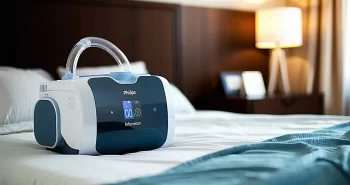
Some have also raised concerns about the broader design and manufacturing of Philips CPAP devices. In 2021, Philips announced a recall for certain CPAP machine models due to potential foam degradation. While the headgear itself was not the primary culprit, it is part of the overall system, and an issue in one area can raise users’ awareness about possible health impacts elsewhere. If you have faced challenges with the device or mask system, you may want to learn more about your legal options by reviewing details of the Philips CPAP lawsuit. This can help you determine the next steps for compensation or ensure you are safe using your current setup.
Keep Documentation for Your Claim
Ensuring headgear stays clean and free of debris is critical for both comfort and health. Each morning, I do a quick check to see if there’s any visible buildup. Most manufacturers recommend hand washing the straps in warm, soapy water every week. Avoid harsh chemicals or bleach, as these can degrade the fabric and irritate facial skin. Rinse thoroughly and let the straps air-dry before re-attaching them.
When it comes to replacements, headgear generally lasts about six months, though it might wear out faster or slower depending on usage. If you find that your straps no longer hold tension, or if the fabric looks frayed, it might be time to explore updated Philips CPAP supplies. Consistent replacement is not only about comfort but about ensuring the most effective therapy possible.
Identify Potential Claims Related to Recalled Devices
Some users have alleged encountering side effects related to Philips CPAP treatment, primarily tied to the foam inside the device. Although headgear itself is not typically implicated in such health concerns, it is part of the overall product ecosystem. According to the FDA, the recall centered on the degradation of polyester-based polyurethane foam used for noise control inside certain Philips machines. This foam can break down and release tiny particles or chemical emissions that might pose respiratory risks.
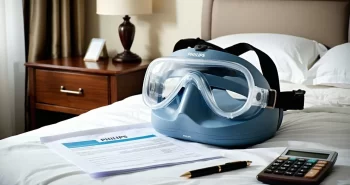
I have seen anecdotal reports in user forums about irritation and even sleep disruption from ill-fitting headgear.Focus on collecting proof of device purchase and usage to support your legal claim. While mild discomfort may be easily resolved, persistent issues could signal a flawed fit or a more serious concern that requires immediate attention.
Legal perspectives and compensation
If you have suffered more critical health problems, such as respiratory or neurological symptoms, you might consider contacting a specialized attorney to discuss your situation. The recalled Philips devices have resulted in numerous legal claims, with plaintiffs seeking compensation for medical bills, lost wages, or pain and suffering. I recently researched more about these cases and discovered that multiple Philips CPAP lawsuit attorney offices are accepting inquiries.
Legal recourse can feel overwhelming if you have never been involved in a lawsuit before. However, a free case review could help you determine eligibility for compensation. If you believe that your Philips CPAP headgear or the entire CPAP system contributed to serious side effects, you might want to consult a philips cpap lawyer. It is always wise to gather any medical records, device information, and relevant dates of usage so you have a strong foundation for your claim.
Prepare Evidence for Your Legal Case
Based on my own routine and what sleep specialists have recommended, taking a few practical steps can reduce the risk of adverse effects:
- Inspect the headgear weekly for signs of wear or stretching.
- Ensure that you use only Philips-branded or compatible Philips CPAP accessories. Third-party parts might not guarantee the same fit or material quality.
- Keep track of any changes in sleep quality, skin conditions, or breathing patterns. If something feels off, document it and notify a healthcare provider.
- Clean and replace your filters regularly. If you are unsure how, you can review guides like how to change filter on philips cpap machine.
Occasionally, I also schedule a check-in with a sleep clinician, especially if my therapy results do not align with past baselines. With technology evolving, new solutions might arise that improve comfort or address known challenges.
Seek Legal Support and Case Review
In addition to your physician or respiratory therapist, online communities can offer real-time feedback from people who use Philips CPAP headgear. Some groups focus specifically on the recall and share updates about machine repairs or replacements. Others focus on everyday lifestyle tips, like how to position pillows to improve headgear fit.
You can also seek help from Philips directly, although response times may vary. Their customer service usually addresses warranty requests, replacement parts, and general troubleshooting. Keep in mind that if you have a recalled device, there might be additional steps you need to follow, including how to return recalled philips cpap machine. If you suspect that the issue goes beyond product malfunction and into potential negligence, a legal professional can advise on next steps.
Next Steps for Filing Your Claim
Philips CPAP headgear remains a critical piece of equipment for those who depend on CPAP therapy. A well-fitted mask and supportive straps can mean the difference between a restful night and hours of discomfort. Over the years, I have learned that proactive maintenance, proper sizing, and regular communication with health professionals are key. I also recognize that unforeseen complications—ranging from minimal irritation to more severe side effects—can surface, and having reliable information at your fingertips is paramount.
If a serious health complication has arisen from extended use of Philips CPAP equipment, you might qualify for compensation. I recommend looking into a free case review to explore your options and reading up on the Philips CPAP lawsuit for an overview of documented claims. Getting a personal consultation could offer clarity on whether a settlement or class-action mechanism applies to your situation.
Ultimately, your health and well-being should take priority. By staying informed about headgear design, replacement timelines, and potential legal considerations, you can safeguard your CPAP therapy and pursue action if problems arise. If in doubt, speak with your doctor or a specialized advocate who can guide you toward solutions that preserve both your rest and peace of mind.