


If you or a loved one has suffered a motor vehicle accident head injury, acting quickly can make all the difference. Don’t wait to protect your health and secure the compensation you deserve—get a free case review now. Our expert team specializes in motor vehicle accident head injury claims and can guide you step-by-step to connect with experienced personal injury attorneys who fight for your rights. Click the button below to start your free case review and take the first step toward getting the support and financial recovery you need.
Understanding the risks and compensation
Head injuries in vehicle accidents can range from mild head injuries, such as concussions, to severe head injuries that cause permanent brain damage. Traumatic brain injuries (TBI) can be classified as mild, moderate, or severe based on their effects on brain function. Motor vehicle accidents are the third leading cause of TBI-related hospitalizations, emergency room visits, and deaths. Symptoms can be subtle at first, which is why victims often underestimate their injuries. Beyond the physical challenges, you may also face medical expenses that continue to pile up, along with potential loss of earnings during your recovery. In these circumstances, pursuing motor vehicle accident compensation may lighten your financial burden.
Compensation often covers the following:
Medical costs (immediate and ongoing), including treatments for injuries such as skull fractures and open head injuries that happen during the traumatic event
Lost income if you cannot work
Pain and suffering, including emotional symptoms like anxiety and depression
Rehabilitation or assistive devices
Potential settlement amounts can vary significantly depending on the injury severity and how it affects your daily life. Some individuals are awarded sums to help cover long-term care, especially for moderate or severe TBI or diffuse axonal injury cases, while others receive compensation for short-term medical bills. It’s often wise to review motor vehicle accident settlement amounts to get a sense of what might be typical, but each situation is unique. Seeking professional legal advice from personal injury attorneys can help clarify the range you might expect.
What is a motor vehicle accident head injury
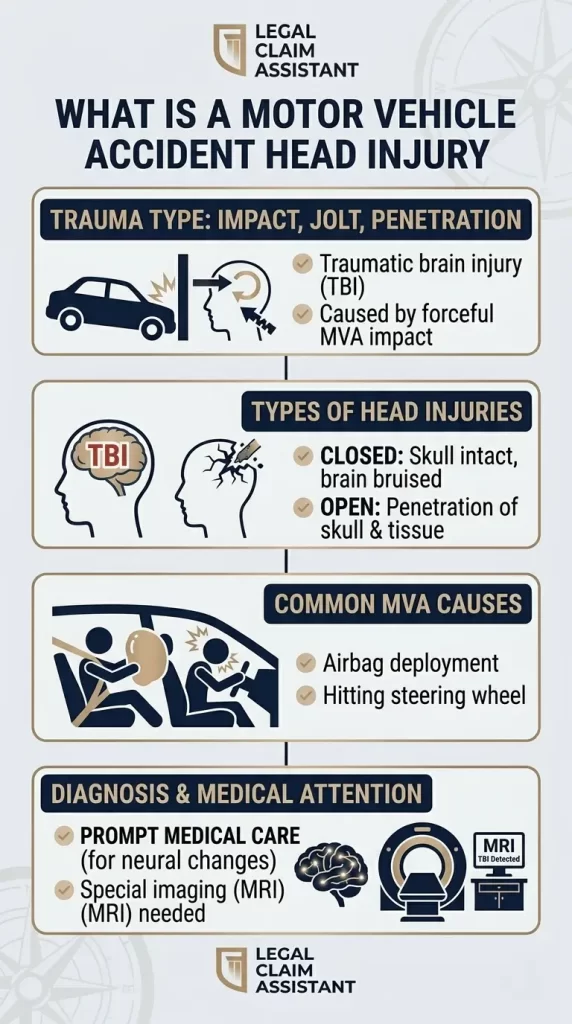
A motor vehicle accident head injury involves trauma to your skull, scalp, or brain, often caused by a forceful impact, a sudden jolt, or penetrating injuries (such as debris striking the head). Traumatic brain injuries can be categorized as closed head injuries, where the skull remains intact, or open head injuries, which involve penetration of the skull and brain tissue. Depending on the accident’s severity, the damage can be mild or severe. Even a mild traumatic brain injury can evolve over time into something more damaging if left untreated, so prompt medical attention is crucial.
People who are injured in a motor vehicle accident may sustain head injuries from seat belt strain, airbag deployment, hitting the steering wheel, or even from being a passenger in a rear seat. Such injuries are not always visible, meaning there might be no open wound or bruise. Some head injuries, like concussions or mild TBI, require careful diagnosis using instruments such as magnetic resonance imaging (MRI) or diffusion tensor imaging to detect subtle bleeding or changes in brain function, including damage to nerve fibers or brain cells.
What Are the Common Symptoms of Whiplash After an Accident
Although everyone’s whiplash experience is slightly different, certain symptoms are especially common. For some, these signs may appear minutes after an accident, while others only notice them days or weeks later. Here are a few indicators that you might be dealing with whiplash related injuries:
Neck pain and stiffness, often worsening with movement — neck pain and stiffness are hallmark signs of whiplash
Headaches, frequently starting at the base of the skull
Reduced range of motion in the neck
Shoulder or upper back pain
Dizziness, fatigue, or weakness — some people experience dizziness or fatigue after a whiplash injury, which may indicate that the injury has affected blood flow or nerve function in the neck area
Tingling or numbness in the arms
Many people mistakenly believe that minor headaches or fatigue after a crash are normal reactions to stress. However, these sensations can be neurological symptoms or a sign of deeper ligament or nerve issues. If you suspect whiplash or any other injury, consider getting examined by a healthcare provider. You may also benefit from follow-up treatments, such as physical therapy, chiropractic care, or gentle exercises to help restore neck function. Early intervention and prompt treatment make a big difference in preventing chronic problems and demonstrating the seriousness of your injury if you later need to file a motor vehicle accident lawsuit.
Common causes of head injuries in vehicle accidents
Various risk factors can trigger head injuries during a motor vehicle collision. Understanding these causes helps you appreciate the importance of swift medical assessment and can guide you on proving fault if you decide to seek compensation.
High-speed impacts
Collisions that occur at higher speeds generate greater force on your body, increasing the likelihood of your head striking a part of your car’s interior, causing closed head injury or even open head injuries. Diffuse axonal injury (DAI), a severe form of TBI, often results from such rapid brain movement inside the skull during high-speed collisions.Lack of safety restraints
Not wearing a seat belt or having a poorly fitted one can cause you to lunge forward in an accident, exposing your head to the dashboard, windshield, or steering wheel, increasing the risk of skull fractures or penetrating injuries. Wearing a seatbelt can significantly reduce the risk of head injuries in car accidents.Airbag deployment
While airbags save lives, they can also cause considerable head and neck strain if deployed forcefully. In certain cases, the strong inflation can lead to concussions, severe symptoms such as slurred speech, nausea, or facial injuries.Flying debris
Broken glass, loose items within the car, or external materials entering through shattered windows can strike your head, leading to blunt trauma or lacerations that may damage blood vessels and cause brain hemorrhages—uncontrolled bleeding in or around the brain caused by ruptured blood vessels during a car accident.Rollover accidents
Rollover crashes pose significant risk because your head may hit the roof repeatedly, or your body can be ejected from the vehicle if you are not securely restrained, which can cause diffuse axonal injury or other neurological disorders.
Additional prevention measures include using appropriate child safety seats to protect children during car accidents, driving at safe speeds to reduce impact severity, regular vehicle maintenance to prevent mechanical failures, avoiding driving under the influence of alcohol or drugs, using helmets while riding motorcycles or bicycles, and educating young drivers about safe driving practices. Avoiding distractions while driving is also crucial to prevent accidents that may lead to head injuries.
Types of traumatic brain injury from motor vehicle accidents
Head injuries from car crashes frequently result in different forms of traumatic brain injury. Each type varies in severity, prognosis, and the extent of medical treatment required.
Concussion or mild traumatic brain injury
A concussion is a temporary brain dysfunction caused by impact or sudden movement, resulting in dizziness, headaches, confusion, or memory issues. It occurs when the brain is jarred against the skull, causing temporary disorientation, dizziness, or headaches. While considered mild, a concussion can have lingering effects like mood changes and fatigue, particularly if you do not rest and follow medical advice. Emotional changes, such as frustration and irritability, can develop during the recovery process from a TBI. Mild traumatic brain injury is a leading cause of emergency room visits after motor vehicle crashes.
Moderate or severe TBI
A moderate or severe TBI generally involves a loss of consciousness that lasts from several minutes to a few hours. Cognitive, physical, or behavioral impairments may persist for weeks or months. Cognitive effects of head injuries can include difficulty concentrating, short-term memory loss, and trouble with executive functions. Rehabilitation often includes physical therapy, counseling, and possible changes to your work or daily routine. Cognitive rehabilitation therapy (CRT) is a strategy aimed at helping people regain normal brain function after a TBI. Severe traumatic brain injuries can cause increased intracranial pressure, blood clots, or swelling that threaten normal brain function. Brain swelling (edema) can cause additional cell death hours after the initial incident. Cerebral edema occurs when fluid builds up in the brain, leading to increased intracranial pressure, which can result from trauma during a car accident.
Older adults are more likely to have lasting symptoms after a TBI compared to younger adults with the same severity of injury. Traumatic brain injuries (TBIs) can have long-lasting effects that may last for months, years, or a lifetime. Severe TBIs can lead to permanent disability and even death. Long-term complications from TBIs can include problems with thinking, understanding, and communicating. Traumatic brain injuries can result in persistent post-concussive symptoms that last for weeks or longer. The effects of a TBI can include physical, cognitive, and emotional challenges that require long-term management. Traumatic brain injuries can lead to significant medical costs for lifetime care and rehabilitation.
Diffuse axonal injury
Diffuse axonal injury (DAI) is a type of TBI in which rapid movement causes widespread tearing of nerve fibers in the brain. This injury is common in high-speed car accidents and can lead to coma or permanent impairment. DAI is often difficult to detect with standard imaging but can be revealed through diffusion tensor imaging.
Other serious brain injuries
Open head injuries happen when an object penetrates the skull, causing direct injury to brain tissue and blood vessels. These injuries are life threatening and require immediate intervention. Brain hemorrhages, cerebral edema, and skull fractures are other severe injuries that may result in permanent brain damage or, in extreme cases, brain death.
Symptoms and complications of motor vehicle accident head injuries
Recognizing the symptoms of a motor vehicle accident head injury can help you understand when to seek treatment. Common signs include severe headaches, nausea, dizziness, difficulty concentrating, and mood swings. You might also experience blurred vision, sensitivity to light or sound, vomiting fatigue, and other unusual behavior. Emotional symptoms such as irritability or depression may develop during recovery.
Delayed symptoms of head injuries can include loss of consciousness, persistent vomiting, and unequal pupil size. Severe symptoms of a head injury may include loss of consciousness, persistent nausea, or convulsions. Children may not be able to communicate symptoms of a TBI, making it important for adults to observe their behavior. Delayed symptoms of a TBI can appear days or weeks after the initial injury.
Long-term complications can affect your day-to-day life in ways that go beyond physical symptoms. For instance, persistent memory loss or cognitive difficulties can hinder work performance and family relationships. Chronic traumatic encephalopathy, a progressive neurological disorder linked to repeated head trauma such as contact sports or shaken baby syndrome, can cause lasting damage to the nervous system.
If left untreated, head injuries may worsen over time. Internal bleeding or swelling can escalate without visible warning, leading to serious medical emergencies. Prompt evaluation and care are the best ways to prevent further complications and worsening symptoms.
Medical assessment and documentation for head injuries
Because head injuries are not always externally visible, medical professionals rely heavily on thorough assessments. This can include imaging tests like X-rays, CT scans, magnetic resonance imaging, and diffusion tensor imaging, as well as neurological examinations to gauge cognition and reflexes. The Glasgow Coma Scale (GCS) is commonly used for assessing consciousness after a head injury. Blood tests may also be used to assess injury severity. Monitoring for airway, breathing, and circulation (ABCs) is essential in managing head injuries after a crash. In most cases, a clear diagnosis starts with a hospital visit right after the accident. If you hesitate, you risk missing important early signs, potentially making your recovery more complicated.
Avoid painkillers like aspirin or ibuprofen immediately after a head injury, as they can increase bleeding risk. In most cases, a clear diagnosis starts with a hospital visit right after the accident. If you hesitate, you risk missing important early signs, potentially making your recovery more complicated.
Documentation is equally important. Request copies of any test results, doctor’s notes, and treatment referrals. Consider keeping a personal journal of your symptoms, noting when they appear and how they change. This information can add depth to motor vehicle accident evidence if you eventually seek compensation. Detailed records show consistency and make it easier for legal teams and insurance companies to understand the severity of your condition.
How motor vehicle accident head injuries impact legal claims
When pursuing a motor vehicle accident injury claim, evidence of a head injury can play a pivotal role in proving damages. Insurance companies often argue about the extent of an injury or question how much it truly affects your life. Documented medical findings, proof of treatments, and any rehabilitation records strengthen your position, making it more likely that you will receive a fair settlement or ruling.
Beyond medical evidence, you must also establish fault. If you were a passenger, you might need a passenger motor vehicle accident report to confirm that the driver’s negligence caused your injuries. If you were not at fault, you should explore additional resources such as not at fault motor vehicle accident guidelines. This documentation, combined with medical records, helps define any short-term or long-term damages, which can include emotional distress and the financial implications of ongoing care.
In many cases, the legal timeline for filing a claim varies by location, so you should remain aware of any local statutes such as a motor vehicle accident statute of limitations. If you wait too long, you risk losing your right to seek compensation entirely. Consulting with personal injury lawyers who specialize in personal injury law ensures your claim is handled properly.
An experienced personal injury attorney can help document medical expenses and lost wages to ensure fair compensation. Insurance companies may try to minimize payouts or deny claims in cases involving head and brain injuries. Consulting a personal injury attorney can help navigate the complexities of insurance claims after a car accident. Victims of head injuries from car accidents may face long-term medical expenses and rehabilitation costs. Compensation for head injuries can vary widely based on the severity of the injury and its long-term effects.
How Can You Strengthen Your Whiplash Motor Vehicle Accident Claim
Gathering solid proof is just one part of building your case. To truly strengthen your whiplash motor vehicle accident claim, you may need to focus on consistency, follow-up, and communication. First, remain vigilant about your health. Continue going to scheduled doctor’s appointments, attend physical therapy sessions, and update your healthcare provider if your symptoms change. This consistency shows that you take your recovery seriously.
Next, keep an open line of communication with any professionals involved in your case—your healthcare team, physical therapists, and attorneys. Provide them with any new information, such as emerging persistent pain, unexpected test results, or changes in your work situation. The more details they have, the better they can represent your interests.
You can also benefit from learning about the legal process and understanding your rights. If you are unsure about the standard procedures or how compensation is usually determined, you can explore additional resources like a motor vehicle accident compensation calculator. While these tools only offer estimates, they can give you a basic idea of potential outcomes.
Finally, recognize that pursuing a whiplash claim is about more than a settlement. It is about ensuring you have the resources and support you need to recover fully. Even if the process feels overwhelming, your diligence in seeking medical attention and legal counsel sets you up for the best possible results. If you have not already done so, now may be the time to reach out to a professional who can provide personalized guidance. The sooner you address your injuries and secure representation, the sooner you can focus your energy on healing and moving forward.
Steps to take after a head injury in a motor vehicle accident
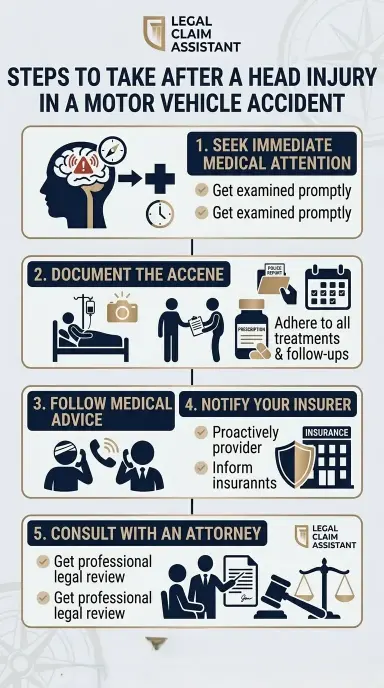
Acting promptly after an accident is one of the most effective ways to protect your physical health and support any future legal claims. Here is a general roadmap:
Seek immediate medical attention
Even if you feel fine, schedule an examination. Some head injury symptoms can remain hidden for hours or days, including delayed symptoms such as slurred speech, nausea, or new or worsening symptoms. Call 911 immediately for a head injury after a car crash, even if symptoms seem mild, as severe issues may develop later.Document the scene
Try to collect photos, witness statements, and any police documentation. Request a motor vehicle accident report to confirm key details.Follow medical advice
Adhere to prescribed treatments, attend follow-up appointments, and track any changes in your symptoms. Retain copies of all test results and billing statements.Notify your insurer
Proactively inform your insurance provider. They might request specific records, so keep everything organized.Consult with an attorney
An experienced motor vehicle accident attorney or motor vehicle accident law firm near me can review your case in detail. Their insights could help you understand the likely outcomes and guide you on building a robust legal strategy.
By taking these steps, you ensure that you are prepared both medically and legally. This preparation can significantly impact your ability to achieve the compensation you need to move forward.
How Legal Claim Assistant help you
Navigating insurance adjusters, medical bills, and the legal system can be stressful when you are already coping with a head injury. That’s where Legal Claim Assistant comes in. Our mission is to help you verify your eligibility and connect you with the right team to handle your claim. We work closely with motor vehicle accident lawyers who understand the complexities of brain injuries and can offer tailored advice.
When you reach out, our process typically begins with a free case review to assess your situation. We use your available documentation medical records, imaging studies, and any police reports to match you with legal professionals who specialize in head injury cases. They can handle the in-depth legal work, negotiate fair settlements, and stand up for you in court if necessary.
Even if you are uncertain about the severity of your injuries or the paperwork needed, we can guide you step by step. Legal Claim Assistant aims to remove the guesswork and stress so you can focus on recovering your health. We want you to know that comprehensive support is available and that you do not have to shoulder the consequences of a motor vehicle accident head injury alone.
You Deserve Justice. Let Us Help.
Speak with a trusted Motor Vehicle Accidents lawyer who will stand by your side, protect your rights, and fight for the compensation you deserve.
No Win, No Fee. Let the Best Traffic lawyers Fight for your Compensation!

Under 1 Minute

100% Free

Expert-Reviewed

Private & Secure
© 2025 Legal Claim Assistant. All Rights Reserved.
Terms of Service | Privacy Policy | Contact Us | Marketing Partners
Related Article

Should I Get a Lawyer After a Drunk Driving Accident?

When Does a Drunk Driving Accident Lawsuit Make Sense?
Share this article:


