Why Do Motor Vehicle Accident Claims Without Injuries Get Rejected
 Fact Checked By Our Attorneys
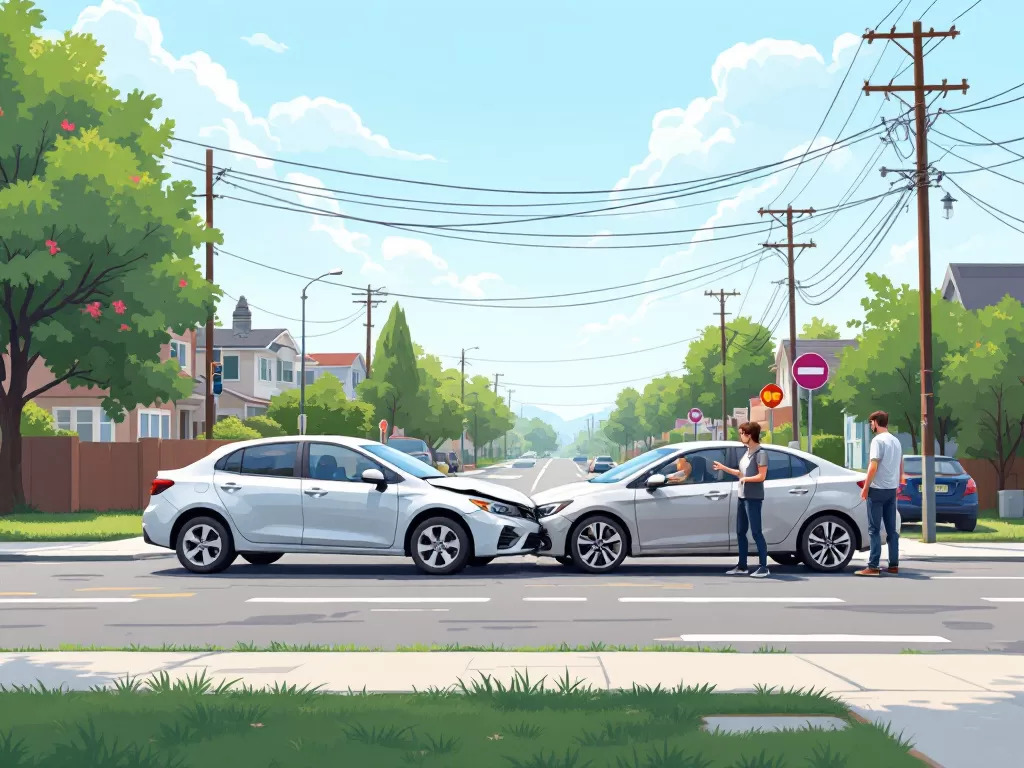
Navigating a motor vehicle accident without injury can still lead to unexpected challenges, especially when filing a car accident claim. Don’t let insurance companies deny your rightful compensation whether it’s for property damage, emotional distress, or lost wages, you deserve to be fully protected. Take the first step now by clicking the button below to get your free case review with an experienced car accident lawyer who will fight to hold the at fault driver accountable and help you recover the compensation you deserve.

No Win, No Fee. Let the Best Motor Vehicle Accident Attorneys Fight for your Compensation!
Table of Contents:

Understanding motor vehicle accidents without injury
A “motor vehicle accident without injury” or non injury crash typically refers to collisions where nobody suffers detectable physical harm or experiences severe symptoms at the time. This distinction might sound simple, yet it brings unique challenges. Insurance adjusters and other parties often assume that if no medical attention is necessary, the damages must be minimal. But vehicle repairs alone can become expensive, especially if your car has sustained internal or cosmetic issues. You can sue for the full cost of repairing or replacing your vehicle after a car accident, regardless of physical injuries. Additionally, car accident injuries that appear “invisible” can show up later. A medically asymptomatic driver might later develop back or neck pain once the initial shock wears off.
Even if you truly are free of physical harm, you still incur expenses such as towing fees, rental car costs, medical bills, or lost wages due to time spent handling paperwork or meeting with adjusters. You have the right to file a claim for lost wages if you miss work due to a car accident, even without injuries. You should remember that your entitlement to compensation depends not only on physical harm but on whether someone else is at fault. If you were not to blame for the collision, you have every reason to explore a motor vehicle accident compensation claim if your personal property or livelihood was negatively affected.
Car accidents can leave emotional scars that may take decades to fade. Survivors of violent accidents often struggle with insomnia, anxiety, depression, and fear of driving. In fact, 40% of car accident victims experience symptoms of PTSD, including flashbacks and nightmares. Emotional struggles after a car accident can include anxiety, trouble sleeping, and flashbacks. Emotional trauma affects nearly one in five crash victims, even in non-life-threatening accidents. Therapy records and testimony from mental health professionals can support claims for emotional distress. You can claim compensation for emotional distress after a car accident without physical injuries. Emotional distress claims can qualify for compensation even without physical injuries. The impact rule in Florida requires some form of physical impact for emotional distress claims, but exceptions exist.
In the best case scenario, promptly filing your insurance claims and carefully documenting the incident can help you recover compensation without prolonged disputes. Whether you were rear ended, involved in a minor fender bender, or a more serious car crash, understanding your rights to take legal action is crucial. Florida law gives you the right to take legal action and file a lawsuit even if you weren’t physically hurt. In Alabama, it is possible to sue for non-medical damages after an auto accident. If the insurance payout doesn’t fully cover your losses, you have every right to file a lawsuit to recover the difference. You can sue the at-fault party for damaged belongings inside your vehicle during the accident. You may need to file a lawsuit if the insurance company does not provide adequate compensation for your losses.
In the event of a no-injury car accident, it is essential to prioritize safety by moving to a safe location. Secure the accident scene by turning on hazard lights and, if possible, moving vehicles out of traffic to avoid further incidents.
Common reasons claims without injury are denied
Insurance carriers frequently challenge non-injury claims. Many of the rejections boil down to belief, or lack thereof, that the accident has caused significant or documentable damages. Below are some of the most common denial reasons you might encounter:
- Lack of verifiable evidence. If you cannot supply solid proof of collision impact, traffic camera footage, witness statements, or property damage, insurers may argue your claim is unsubstantiated.
- Claim was made too late. Even when you are not physically hurt, it is best to file promptly. Waiting too long can create suspicion about the accident’s credibility.
- Confusion about liability. Insurers urge thorough documentation to confirm who was at fault. If you cannot confidently demonstrate the other driver’s responsibility, your claim might be denied.
- Insufficient coverage. Some policies are limited in scope. If you do not have proper property damage coverage or the other driver is uninsured, or if the insurance company refuses to pay, you could see a denial.
Any of these reasons can feel unfair. However, understanding them helps you remove some barriers. Clear photos, timely filings, and accurate details about which driver is at fault go a long way to strengthening your non-injury claim. Additionally, reviewing your auto accident policy and discussing with a car accident lawyer before contacting the insurance company ensures you know the coverage boundaries.
Importance of documentation in non-injury motor vehicle accidents
When no apparent injuries exist, your documentation stands in for the medical records an insurer might normally request. In other words, the evidence you provide must tell the story. This includes written statements from everyone who was in the vehicle, as well as anyone who witnessed the collision. It also helps to keep bills and receipts related to any expenses you incurred, even if they seem unrelated at first glance. An example might be the purchase of a new car seat if your old one was compromised in the accident.
Thorough documentation is vital because some negative outcomes, such as hidden injuries or progressive vehicle damage, can appear later. By having a clear account of the day’s events, you reduce the risk of your claim being undervalued or disregarded. If you suspect a miscalculation from the insurance company refuses to pay, your well-kept records will help dispute that assessment. You might even enlist a motor vehicle accident attorney to evaluate your paperwork and guide you toward fair compensation.
Documenting the accident and any potential damages is crucial, even if no visible damage is apparent at the scene. Use your smartphone to capture evidence at the accident scene, including photos, videos, and witness contact information. Document everything, including taking photos and videos of vehicle damage, road conditions, and license plates, after a car accident.
Police reports and accident details you must have
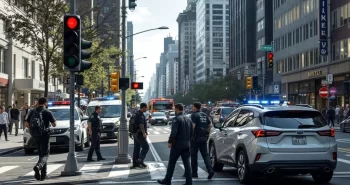
A police report is one of the strongest pieces of evidence for an accident claim, regardless of whether you have visible injuries. Although you might think a formal report is only needed for serious crashes, it is prudent to contact law enforcement for almost any collision. Officers can objectively document the crash details, interview drivers and witnesses, and note any relevant road or weather conditions.
An official police report is often required when property damage exceeds a specific threshold, which varies by state. Calling the police for a report is important, even for minor accidents, as it creates an official record necessary for insurance claims.
When you request a copy of the police report, review it carefully for accuracy. Names, addresses, license plate numbers, and insurance information must match exactly. If you spot factual errors—for instance, a mistaken statement about which driver ran a red light—follow the procedure for amending the report. In many regions, you can submit an official request to the responsible law enforcement agency. Additionally, keep any accident reference numbers on file. These will be helpful in any conversations with insurers or if you decide to explore a motor vehicle accident lawsuit later.
How vehicle damage photos and witness information help
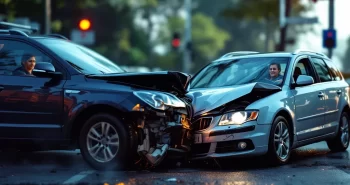
Your smartphone can be a powerful tool in strengthening a claim that does not involve bodily harm. Immediately after your collision, photograph the damage to all vehicles involved, paying special attention to areas that reveal clear impact. If your vehicle has paint scrapes or dents, snap both close-ups and wide shots. These photos help illustrate the extent of the damaged property and the direction of the impact.
Witness accounts can also be decisive. Bystanders who watched the accident unfold often hold crucial insights, such as which driver crossed lanes without signaling or whether someone was speeding. When possible, gather each witness’s statement quickly, before they leave the scene or forget important details. Capturing a video recording on your phone can work well if the witness consents. If you hire a motor vehicle accident law firm near me at a later stage, these documents and recordings can help demonstrate the strength of your case.
It is crucial to exchange information with the other driver, including names, phone numbers, insurance companies, and policy numbers. Provide details such as full name, driver’s license number, and vehicle information to the other driver involved in the accident. After a car accident, even if there are no visible injuries, it is important to exchange contact and insurance information with the other driver. You should not leave the scene of the accident without obtaining the other driver’s insurance information, even if there is no visible damage.
Do not admit fault at the scene of an accident, as this can be viewed as an admission of liability by insurance companies.
Using uninsured/underinsured motorist coverage in non-injury cases
Even when a motor vehicle accident seems minor, you can run into huge financial obstacles if the driver at fault lacks enough insurance coverage. Uninsured or underinsured motorist (UM/UIM) coverage can provide critical assistance in such scenarios. This type of insurance essentially fills the gap left by a negligent driver’s insufficient policy, covering vehicle repairs and, in some cases, other accident-related expenses.
Your insurer might, however, request confirmation that the other driver is legitimately unable to pay. If your claim is rejected, it is often due to dispute over liability or questions about the severity of damage. To counter any doubts, emphasize proof that you were not responsible for the collision, and outline exactly how the incident impacted you financially. Having a detailed, time-stamped record of the repairs or replacements you needed can influence how your insurer processes UM/UIM coverage. If your attempts keep running into roadblocks, consider seeking motor vehicle accident legal advice for guidance on how to clarify your claim’s validity.
No Win, No Fee. Let the Best Motor Vehicle Accident Attorneys Fight for your Compensation!
State requirements for filing non-injury accident claims
Filing a motor vehicle accident claim without injury is subject to distinct regulations in every state. Some states require you to report any collision that results in more than a specified dollar amount in property damage. Others impose more general requirements, meaning you must notify the police or your own insurance company after any type of crash. You should report the accident to your insurance company promptly, as many policies require notification even if you do not plan to file a claim.
State requirements can also influence the insurance process if you live in a no-fault system. Under a no fault motor vehicle accident policy, you typically contact your own insurer first, regardless of who caused the crash. In contrast, pure at-fault states direct you to file a claim with the at fault party’s insurance. Complying with the right process, inclusive of any mandatory auto insurance coverage minimums, ensures you follow statewide legal standards and reduce the chance of claim disputes.
Timing and medical assessment considerations even without visible injury
You might be confident that you escaped your accident unscathed, but timing is critical when proving or disproving any hidden injuries. Whiplash, for example, can take days, sometimes weeks, to manifest. Seeking medical attention soon after your collision—even if you do not feel immediate pain—can create a record should symptoms show up later.
Adrenaline can mask pain after an accident; seeking a medical evaluation for delayed symptoms is advisable. Delayed symptoms are not limited to neck or back pain. Headaches, persistent fatigue, or mood changes can remain undetected without professional assessment. Some of these conditions may not reveal themselves until you resume daily activities, such as working at a desk or lifting moderately heavy objects. Encouraging your passengers or loved one to do the same can protect their interests too. This preventative measure is part of showing that you have taken reasonable steps to ensure your claim is not fraudulent. If your insurer knows you visited a doctor, they often treat your concerns with more credibility.
Avoiding mistakes that lead to claim rejection
Even if you handle your end of the process with care, certain oversights can push your claim toward denial. By being mindful of these pitfalls, you raise the odds of a favorable outcome:
- Admitting fault at the scene. You may feel compelled to say “sorry,” but even a simple apology could be taken as an admission of blame. Keep your statements factual, and do not speculate about fault.
- Failing to call the police. A police report is crucial if any significant harm to property or potential injury might be involved. Without it, your insurer has little objective evidence to confirm the circumstances.
- Neglecting follow-up after the initial claim. People sometimes assume that once they speak to the insurance adjuster, no action is needed. Staying engaged and providing prompt responses to any requests for documents or statements can prevent your claim from falling through the cracks.
- Accepting the first low settlement offer. Even if you have no physical injuries, you should not rush to sign a quick settlement. If new damages or health issues surface, you cannot reopen the claim. Allow time to assess the full scope of your losses.
Avoiding these mistakes is especially important if you plan to work toward a motor vehicle accident settlement amount that accurately reflects your vehicle repairs and any lingering effects of the crash. By taking each step diligently, you reduce the potential for an insurer to label your claim as incomplete or invalid.
How legal guidance and free consultation can protect your rights
Discussing your situation with a legal professional or car accident lawyer can be beneficial, even in cases where injuries are not obvious. Lawyers understand how to negotiate on your behalf and how to present strong evidence for damaged property and any other losses. An experienced firm can evaluate your insurance coverage, propose next steps, and help you determine if a motor vehicle accident lawsuit might be necessary when negotiations stall.
Attorneys also provide clarity about the statute of limitations motor vehicle accident rules in your state, which caps how long you have to file a claim or lawsuit. Missing the deadline can result in your case being barred, no matter how self-evident the other driver’s fault may be. A legal team double-checks that all documents are filed correctly, all deadlines met, and that unsettled points of contention like whether the other driver had valid coverage—or if the insurance company refuses to pay—are resolved.
If you ever feel unsure about your situation, you can also consult articles about what to do after a motor vehicle accident to confirm you have correctly completed every essential step. Whether it is clarifying an insurance policy clause or crafting an effective demand letter, the right legal help offers you the support to confidently manage your claim and seek compensation for your losses, including emotional suffering and emotional trauma that might affect your mental health and quality of life. If you want to explore your options further, many firms offer a free case evaluation or free consultation to discuss your unique case scenario and help you determine the best path forward while prioritizing your safety and rights.
No Win, No Fee. Let the Best Motor Vehicle Accident Attorneys Fight for your Compensation!