Allegations of Talc and Skin Issues in Lawsuits
 Fact Checked By Our Attorneys
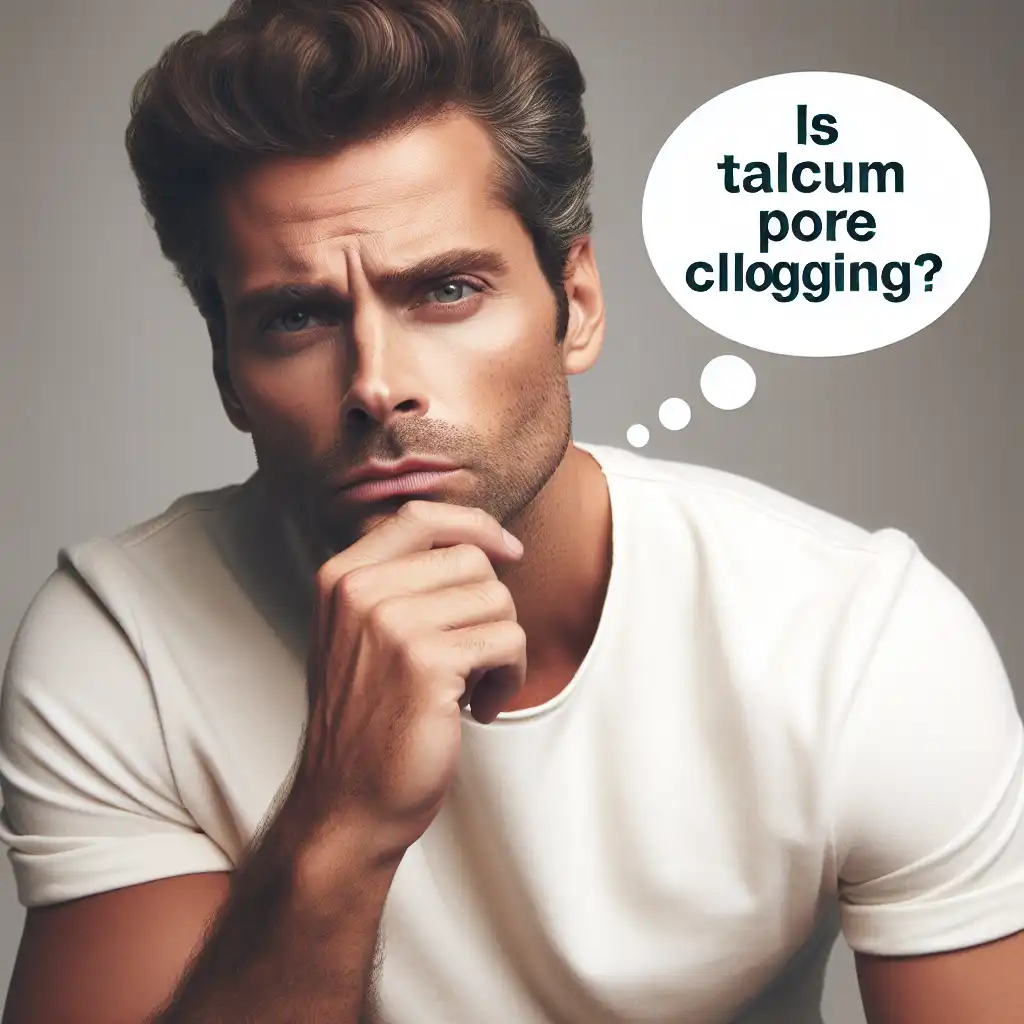
Is talc pore clogging?
This question has been raised in legal claims involving talc-based cosmetic products and alleged health risks linked to long-term exposure. Many individuals researching this topic are doing so after learning about talcum powder lawsuits, not to seek skincare or medical advice. This page explains how pore-related allegations involving talc have been referenced in legal actions and whether a claim may apply.
Talc, that unassuming powder often nestled in your favorite cosmetics and even those creative little crayons, has become quite a hot topic. The controversy hit center stage when Johnson & Johnson had to fork over $72 million to a family. Why? They claimed talcum powder was to blame for a woman’s ovarian cancer after years of using it for feminine hygiene.
No wonder brands like Cover FX are ditching talc in their products. Who wants a powdery ghost face or itchy skin, right? Even though talc isn’t the same as asbestos, the fear is that they can play neighborly in nature, sitting close in those underground rock formations. This proximity can lead to asbestos sneaking into talc during mining and manufacturing, a real scare for safety.
Regulators have jumped in with rules to tackle this. The U.S. FDA and the EU’s SCCS want to keep a tight leash on asbestos in talc products. There’s more—the International Agency for Research on Cancer (IARC) has explored possible ties between regular talc use in the genital area and ovarian cancer.
Knowing potential talc dangers is crucial, especially if you’ve used it and now feel like something’s not right. If you’re worried and think there could be grounds for seeking compensation, Legal Claim Assistant Inc is ready to lend a helping hand and connect you with legal reps who mean business.
Table of Contents:

Talc Use Referenced in Claims
When you’re choosing skincare products, it’s smart to know what’s in them, and talc often pops up on ingredient lists. Talc is just a mineral made up of magnesium, silicon, and oxygen, and you’ll find it in loads of personal care stuff we use every day. So, let’s check out where it usually shows up and why it’s often a go-to ingredient in beauty products.
Product Categories Named in Lawsuits
Talc is one of those ingredients that gets around and can be found in a variety of everyday items. Here are some of the usual suspects:
| Product Type | What It’s Used For |
|---|---|
| Baby Powder | Talc keeps babies’ skin dry and prevents diaper rash. |
| Face Powders | Helps set your makeup and keeps shiny skin at bay. |
| Body Powders | Keeps skin dry and fresh-smelling, perfect for hot days. |
| Blushes | It gives blushes their pleasant texture and helps them glide on smoothly. |
| Eyeshadows | Adds a nice texture and keeps the color looking good. |
Allegations Regarding Product Formulation
Talc finds its way into many beauty products for some good reasons. Here’s why it’s a staple ingredient:
- Soaks Up Oil: Talc is fantastic at sucking up oil, which is great for powders that aim to reduce shine.
- Smooth Moves: It makes cosmetics feel silky and easy to apply. No one wants clumpy makeup!
- Brightens Up: In things like eyeshades and blush, talc helps them pop with color.
- No Clumps: Stops products from clumping together, giving you an even application.
Being aware of talc’s role in skincare can help you pick products wisely, especially if you have sensitive skin or are concerned about health risks. If you’re worried about potential issues with talc, there are plenty of talc-free alternatives to consider. Keep an eye on ingredient lists and choose what feels right for your skin.
Pore-Related Allegations in Claims
Alright, listen up. One of the biggies in the world of skincare: Does talc cause pore blockage? You want stuff that makes your skin happy, not cranky, right? So let’s break down the nitty-gritty of what talc does when it’s hanging out on your skin and why it matters for that blemish-free face you’re after.
Claims Involving Talc Exposure
Talc’s like that nosy neighbor—it can get into everything. Found in a bunch of skincare and makeup products, it can mess with your skin’s mood. Legal complaints have alleged that talc-based products may contribute to skin-related issues when used repeatedly over time. When talc cozies up with junk in your pores, it can crank up issues like acne.
Here’s the deal: talc comes in all shapes and sizes. The extra-fine talc particles? Those are the sneaky ones, squeezing into pores like they’re the keys to a secret hideout. Mixed with your skin’s oil and some leftover skin cells, you’ve got yourself a tiny plug just waiting to cause problems.
Factors That Influence Pore Clogging
So what makes talc more of a troublemaker in your skincare game? First up, it’s how much of it you’re using. Going a bit overboard with talc-rich lotions or powders can lead to your skin tossing up its hands and throwing a fit with blocked pores and bumps.
And let’s talk skin types—because they do matter. Claims involving talc often reference individual exposure history rather than skin type recommendations. Your skin’s already making enough oil to rival a fry-up, and throwing talc into that mix could be asking for unwanted guests like bacteria and, bam—more acne.
Knowing what does or doesn’t vibe with your skin is key. Choosing products wisely means fewer battles with breakouts and more love for your face. Being clued into talc’s shenanigans will make you a confident skincare shopper, steering clear of pore-plugging dramas.
Skin-Related Claims and Complaints
Thinking about putting talc on your skin that’s prone to acne? It’s like a never-ending question—is it safe? Here, we’re gonna figure out how talc acts on oily or acne-prone skin and what experts in white coats have to say about it.
Is Talc Safe for Oily or Acne-Prone Skin?
You’ve probably seen talc in all sorts of beauty stuff for ages, but if you’re dealing with oily or acne-prone skin, this might not be your BFF. The reason? Talc can block your pores, which usually means more breakouts and a red, angry face. Slap too much of that stuff on, and it might dry you out, making things even worse. Best bet for anyone with skin that’s oily or loves acne? Be picky about products with talc—your skin will thank you for avoiding those clogged pores and other annoying issues.
Dermatologist Opinions on Talc and Breakouts
Ask a bunch of dermatologists about talc, and you’ll probably get different answers—especially when it’s about breakouts. In general, talc is labeled as skin-friendly, but some sneaky tests have found small amounts of white asbestos in off-the-shelf talc products. The idea of rubbing that into sensitive skin might raise an eyebrow or two.
With these hiccups—including talc’s tendency to hog all the space in your pores—many dermatologists might suggest dodging talc. There are plenty of skincare and makeup options out there nowadays without the talc drama. Without talc, you lower your chances of playing host to pore blockages, breakouts, and skin that’s just mad at the world.
As talc’s reputation wobbles amid health concerns and lawsuits, staying up-to-date with the latest findings can’t hurt. Team up with skin experts—whether they wear scrubs or lab coats—and get the scoop on keeping your skin happy. Worried about what talc might be doing to your breakout-prone face? Hit up a pro for the lowdown on skincare tips and tricks outside the talc territory. Your skin’s health might just depend on it.
Alleged Health Risks in Litigation
When you think about using talcum powder in your beauty routine, it’s good to know what kind of trouble you might be inviting. Two big worries are breathing problems and nasty stuff lurking in those talc-based goodies.
The Link Between Talc and Respiratory Issues
Dr. Patel points out that while most folks’ skin handles talc just fine, those with touchy skin might get a bit itchy, particularly on their faces. But the real headache comes when you breathe in the talc dust – it’s bad news for your lungs, could mess up your breathing, and even bug your eyes. So, it’s a must to be careful with talc, especially when it’s floating around in the air after you open a bottle or compact.
Does Talc Contain Harmful Contaminants?
Talc isn’t just for your face, it’s in everything from makeup to kid’s crayons. Some brands, like Cover FX, kicked talc out of their stuff because it could make your skin feel like chalk and cause irritation. Plus, some early studies hinted there’s a chance talc could carry asbestos, which is definitely not what you want near your face.
Even though the talc used in beauty products is usually supposed to be asbestos-free, tests have found small amounts of the nasty stuff in some drugstore items. Asbestos is a big deal because it’s been tied to several serious cancers, including ones that affect your lungs and throat. The idea that your powder could have this stuff because companies either didn’t test properly or ignored the risks is a serious wake-up call.
With companies like Johnson & Johnson under fire for selling products with contaminated talc, it’s clear there needs to be strict checks to make sure anything with talc is safe. If you’re a fan of talc in your creams and powders, it’s wise to understand these health risks. You might want to switch to talc-free alternatives, especially while there are still question marks about how clean over-the-counter talc products really are. Go for the stuff that’s been tested to the hilt and gets a clean bill of health.
Legal Actions and Talc-Related Lawsuits
Alright folks, let’s chat. There’s been quite a bit of buzz lately about products with talc. People are getting worried about potential health problems, and that’s brought a wave of legal cases. If you’ve used products like talcum powder and you’re facing some health issues linked to it, you might be in line for some compensation. Legal Claim Assistant Inc. is here to help connect you with a lawyer who knows the ropes.
Who Qualifies for a Talc Lawsuit?
So, here’s the deal: If you’ve been using stuff with talc and it’s messing with your health—think problems like ovarian cancer or trouble breathing—you might be able to file a lawsuit. Anyone with sensitive skin, allergies, or who’s experienced irritation or a rash from talc should pay attention. It’s a good call to avoid breathing in any of that talc dust, especially around the more delicate parts of your body.
Now, why all the fuss about talc? Well, in the past, there were incidents of talc being contaminated with asbestos, which isn’t good news. It turns out that can be a nasty mix, linked to things like lung cancer and mesothelioma, which is scary.
File a Claim for Compensation With Legal Claim Assistant
If you’ve had a rough time because of talc and think it might’ve had asbestos in it or something similar, getting legal advice is a smart move. Asbestos-laced talc can be seriously harmful, leading to major issues like lung problems. That’s why it’s important to know what you’re dealing with and start looking at your options for compensation.
If you think talc might’ve played a role in some health problems for you, Legal Claim Assistant is ready to help you figure out what steps to take next. Your health matters. If you believe you’ve been wronged by talc, exploring how to protect your rights is a step worth considering.