How Much Are Most Truck Accident Settlements?
 Fact Checked By Our Attorneys
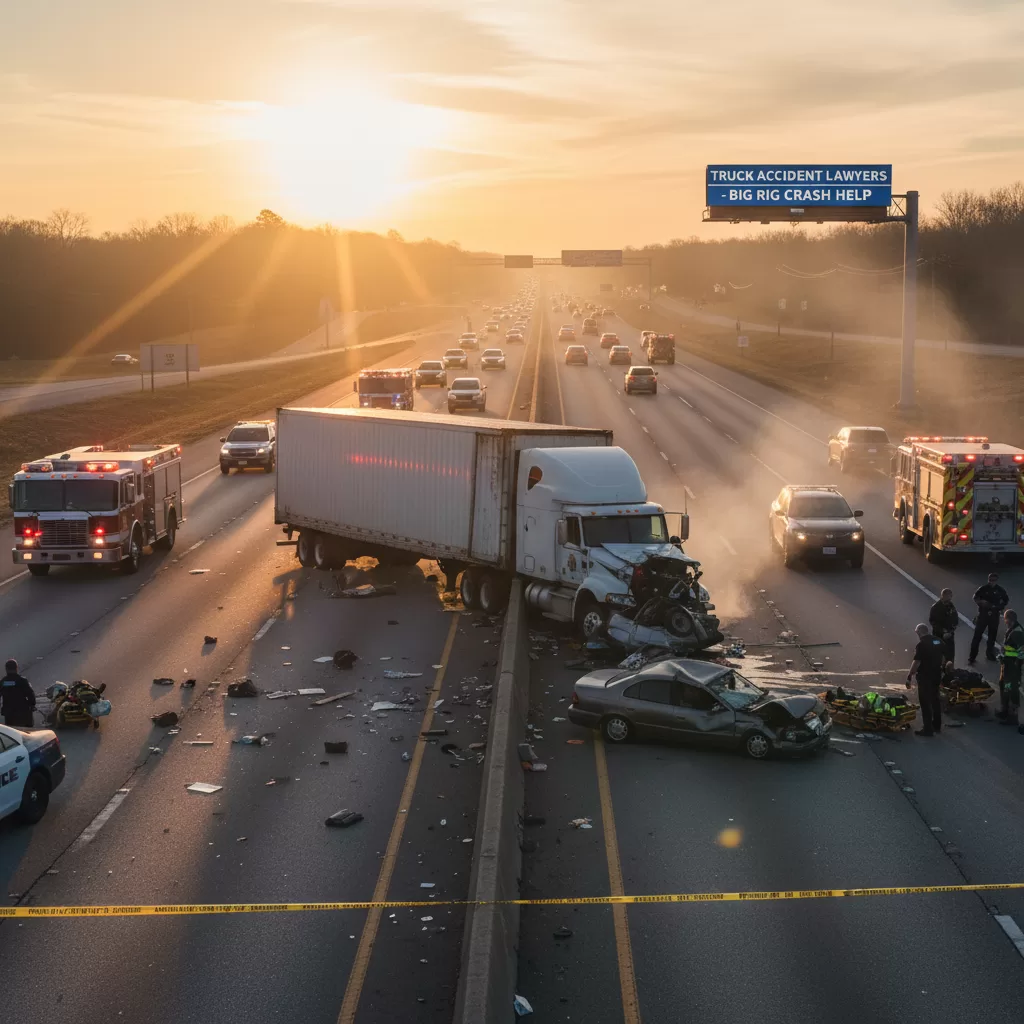
How much are most truck accident settlements depends on liability, documented damages, and whether your claim qualifies under the law. This page explains how truck accident settlement amounts are evaluated and what determines legal compensation eligibility. You will learn what settlement ranges typically look like and when pursuing a truck accident claim or lawsuit is appropriate. The focus is on legal recovery, not medical advice.

No Win, No Fee. Let the Best Truck Accident Attorneys Fight for your Compensation!
Table of Contents:

What are truck accident settlements?
Truck accident settlements are agreements that compensate the injured party for their losses after a commercial vehicle accident. Often negotiated with insurance companies, such settlements aim to cover costs like medical bills, lost wages, and property damage. In many instances, the trucking company or truck driver’s insurance carrier proposes a financial offer after they evaluate the evidence, which can include police reports, witness statements, and medical records. Settling a truck accident claim is often faster than going to court and spares both sides the uncertainty of a trial. However, obtaining a fair settlement may require diligent negotiation or legal actions. An experienced truck accident attorney, or experienced personal injury attorney, can review your case, help gather documentation, and determine whether or not a settlement is the best route forward.
Truck accident settlements are often higher than car accident claims because they typically involve greater financial losses and higher insurance coverage limits. Most truck accident settlements can range from tens of thousands to several million dollars, reflecting the wide variability of injury severity and case complexity. The average truck accident settlement amount often falls between $50,000 and $200,000, while data from 2015 to 2023 reports an average settlement of $73,109. However, the average cost of a commercial truck accident in which one person is injured is approximately $148,279, illustrating that many cases exceed average figures. Fatal trucking accidents can result in costs that skyrocket to $7.2 million, and wrongful death settlements can range from $500,000 to $5 million, depending on the circumstances.
How much are most truck accident settlements?
“How much are most truck accident settlements?” is a question with no single, universal answer. The average truck accident settlement figures can start at a few thousand dollars and climb well into the six or seven-figure range. Smaller accidents with minor injuries and minimal vehicle damage often result in relatively modest compensation, typically ranging from $10,000 to $50,000 for minor injuries, though minor injuries more commonly settle between $50,000 and $150,000. By contrast, serious injuries, especially those causing long-term disability such as traumatic brain injuries or spinal cord injuries, typically yield higher amounts, with severe or permanent injuries often settling for $500,000 to $1,000,000 or more. Moderate injuries can lead to settlements ranging from $50,000 to $250,000, and moderate injuries typically settle for $150,000 to $500,000. The trucking company’s insurance coverage limits, which typically range from $750,000 to $1 million or more, also play a key role in determining how large a settlement can be. Additional factors include the strength of your evidence, the skill of your experienced truck accident attorneys, and the state’s laws regarding negligence and punitive damages. Ultimately, every personal injury case is highly individual, which is why it is important to evaluate the specific aspects of your accident occurred before setting any expectations.
Factors that affect truck accident settlement amounts
Several critical elements influence the final settlement amount. First, the severity of injuries sustained has a large impact, as extensive medical treatment or permanent disability often requires considerable financial compensation. The extent and permanence of injuries are primary drivers of truck accident settlements. Second, the economic effect—like lost wages, job retraining, or reduced future earning capacity—may further increase settlement amounts. Economic damages include current and future medical costs, lost wages, and loss of earning capacity. Third, demonstration of fault and liability is vital. If a truck driver was speeding, fatigued, or found to have violated federal motor carrier safety regulations, negotiations may tilt in your favor. Liability refers to the degree of fault attributed to the truck driver, company, or other parties. Comparative negligence can reduce a victim’s settlement amount based on their percentage of fault. Fourth, each state’s insurance laws and negligence statutes can limit or enhance what victims might receive. Settlements are often capped by insurance limits and state laws. Finally, legal strategy matters. An adept truck accident lawyer or experienced legal counsel can gather compelling evidence, skillfully engage with insurance adjusters, and, if necessary, argue for a truck accident lawsuit to pursue compensatory damages or punitive damages in court. Punitive damages may be awarded for extreme misconduct in truck accidents, such as willful disregard for safety.
Evidence quality, such as strong police reports, medical records, black box data, and driver logs, significantly impacts settlement values and can lead to higher payouts in truck accident claims. Insurance companies often aim to minimize payouts in truck accident claims, making the legal process complex and overwhelming for victims. An attorney can help negotiate with insurance companies to achieve fair settlements. The experience and skill of a truck accident lawyer can determine whether you recover compensation at all. Retaining an experienced truck accident lawyer as soon as possible can protect your claim and maximize your settlement.
Types of compensation in truck accident settlements
In a typical truck accident settlement, compensation reflects both tangible and intangible losses. While the specific categories can vary, the following are frequently included:
- Medical expenses: Payment for hospital stays, surgeries, physical therapy, mental health counseling, and any other necessary healthcare related to injuries sustained in the truck crash. Documenting all medical expenses is crucial for maximizing truck accident compensation.
- Lost wages and future earnings: Reimbursement if you miss work due to injury or if your earning capacity is permanently reduced. Gathering documentation of lost wages is vital for maximizing your truck accident settlement.
- Pain and suffering and non economic damages: Compensation for physical discomfort, emotional distress, and reduced quality of life. Non-economic damages refer to compensation for pain, suffering, and emotional distress. The multiplier method is commonly used to estimate non-economic damages, multiplying total economic damages by a factor between 1.5 and 5. Alternatively, the per diem method assigns a daily dollar value for pain and suffering, multiplied by the number of days of suffering.
- Property damage: Funds to repair or replace your vehicle or other personal items damaged in the commercial truck collision.
Victims typically receive compensation for both economic and non-economic losses following a truck accident.
Occasionally, additional forms of compensation may apply. Accidents resulting in disfigurement, setbacks to relationships, or the need for lifelong care might receive higher settlement figures. Documenting every relevant cost and working closely with a personal injury lawyer can ensure you do not overlook eligible damages.
Documenting expenses for truck accident claims
Documentation is used in truck accident claims to substantiate financial damages and establish legal eligibility for compensation. Records such as billing statements and service summaries are used to quantify recoverable costs and link them to the accident for claim evaluation. These records are reviewed for legal evaluation purposes rather than medical guidance.
Recovering lost income in a truck accident settlement
Lost income is considered a recoverable damage in qualifying truck accident settlements. Documentation such as wage statements, tax records, or employer verification is used to calculate economic loss related to the claim. These figures are assessed to determine total compensable damages under applicable law.
No Win, No Fee. Let the Best Truck Accident Attorneys Fight for your Compensation!
How non economic damages are evaluated in truck accident claims
Non economic damages, such as pain and suffering, may be included in truck accident settlements when supported by legally admissible claim evidence. These damages are evaluated based on the impact of the accident on daily functioning and are calculated using accepted legal valuation methods rather than medical diagnosis.
Property damage considerations
Property damage typically involves covering car repair costs or compensating you for the total loss of your vehicle if repairs are not viable. In truck accidents, passenger cars frequently sustain significant harm due to the size difference. Estimates from collision centers help insurance adjusters determine fair market value or necessary repair costs. You may also include any personal belongings, such as laptops or phones destroyed during the accident. We encourage you to keep a record of damage assessments, receipts for repairs, and photographs of your vehicle both before and after the crash. Organizing these documents helps streamline settlement negotiations. If the truck driver’s negligence is clear, this portion of your claim may move fairly fast, but disputes can arise over actual vehicle value, repair estimates, or upgrades and modifications you made to your vehicle.
How fault impacts truck accident settlements
Fault in truck accident cases directly affects eligibility for, and the size of, any settlement. In some states, shared fault reduces your settlement proportionally to your percentage of responsibility, while in others, you must be less than half at fault to recover damages. Determining liability with commercial vehicles can be complicated. The trucking company, driver, and even the vehicle manufacturer may bear some responsibility. We frequently see a combination of mechanical failure and driver error leading to catastrophic injuries. Pinpointing each negligent party is critical for securing a fair truck accident settlement, since multiple insurance policies may apply. If you are uncertain how this plays out in your state, consult a professional who can explain who is liable in a truck accident. Properly assigning fault ensures every responsible party shares financial accountability.
Real-life truck accident settlement examples
While each case has its own nuances, looking at a few hypothetical examples can illustrate how semi truck accident settlements might vary:
- Minor collision with whiplash: A driver rear-ended by a semi truck at a low speed might receive $20,000 to $30,000 to cover basic medical bills, physical therapy, and minor car accident damage.
- Moderate injuries affecting work: A victim with broken bones requiring surgery could secure an average settlement in the range of $80,000 to $150,000, factoring in both immediate medical costs and several months of lost wages.
- Severe impact with permanent disability: Life-altering injuries can push settlements upward of $500,000 or more. Compensation reflects long-term care, loss of career, and the emotional toll.
- Catastrophic accident with multiple parties responsible: In cases involving corporate negligence and severe injuries, settlements can exceed several million dollars. Litigating such claims is often complex, but the higher awards aim to address extensive damages and wrongful death claims.
These numbers demonstrate the wide scope of possible settlements, making the outcomes heavily dependent on case-specific details and effective legal advocacy.
How an experienced truck accident lawyer can help
Managing a truck accident case is rarely straightforward. Regulations affecting commercial drivers, complex insurance policies, and multiple liable parties can ratchet up the difficulty. Experienced truck accident attorneys coordinate the moving parts—collecting evidence like driver logs, maintenance records, and police reports—to build a compelling argument for the injured party. If settlement negotiations stall or produce inadequate offers, a lawyer can initiate a truck accident lawsuit, representing you in court and vigorously pursuing the compensation you need. Attorneys skilled in truck accident litigation also leverage industry expertise to pinpoint violations of federal motor carrier safety standards, driver fatigue issues, or improper vehicle maintenance. Working with experienced legal counsel frees up your time to focus on healing and ensures no crucial detail is overlooked.
Steps to maximize your truck accident settlement
Settlement outcomes are influenced by the quality of evidence, clarity of liability, and compliance with procedural requirements. Claims that are properly documented and evaluated within the applicable legal timeframe are more likely to qualify for compensation. Legal review is often required to assess whether settlement or litigation is the appropriate course.
By knowing what to expect and taking the right actions, you can move forward with confidence. We hope this guide helps you grasp each step of the truck accident settlement process. Above all, remain steadfast in your recovery and advocate for the fair compensation you genuinely deserve.
No Win, No Fee. Let the Best Truck Accident Attorneys Fight for your Compensation!