Can You File A Claim After A Pedestrian Car Accident?
 Fact Checked By Our Attorneys
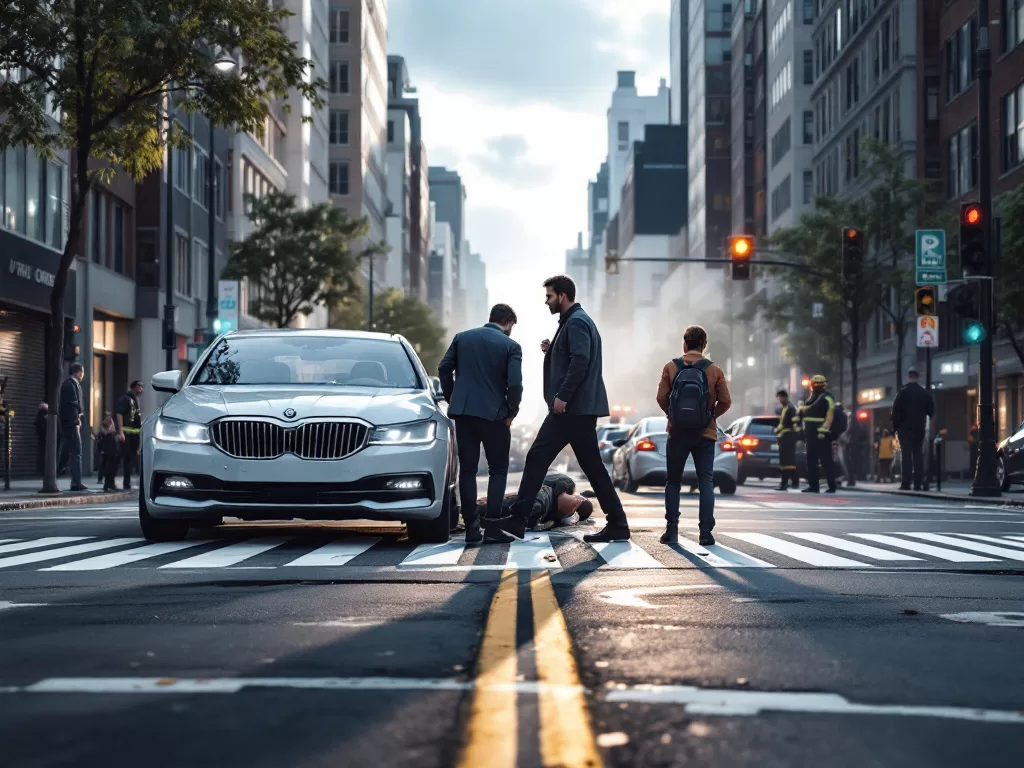
Experiencing a pedestrian car accident can be overwhelming, but you have the right to seek compensation if you’ve been struck by a vehicle. Don’t wait get a free case review today to understand your legal options and start your path to recovery. Our expert team is ready to help you navigate the complexities of your claim and fight for the compensation you deserve. Click the button now to connect with a trusted pedestrian car accident attorney and take the first step toward justice.
Many of these incidents occur suddenly as part of a larger car crash scenario on busy public roads where both drivers and pedestrians must remain alert at all times.

No Win, No Fee. Let the Best Motor Vehicle Accident Attorneys Fight for your Compensation!
Table of Contents:

What is a pedestrian car accident
A pedestrian car accident occurs when a motor vehicle strikes someone on foot, such as while pedestrian walking across a street, on sidewalks, or standing near a roadway, driveway, or even in parking lots. Unlike vehicle-to-vehicle traffic crashes involving other vehicles, pedestrians do not have the protection of airbags, seat belts, or a protective metal frame, making injuries more severe. Pedestrian accidents often result in severe injuries due to the vulnerability of those on foot when struck by a vehicle. The most frequently injured body regions in pedestrian accidents are the lower extremities, head/face/neck, and upper extremities. Head injuries account for a significant proportion of severe injuries sustained by pedestrians in accidents, while spinal cord injuries can lead to partial or complete paralysis, requiring lifelong medical care. Chronic pain can result from these injuries, significantly affecting the quality of life of victims. Psychological injuries, such as post-traumatic stress disorder (PTSD), can also occur following pedestrian accidents and may have long-lasting effects. The severity of pedestrian injuries tends to increase with age, particularly for those over 64 years old. Internal injuries, including organ damage and internal bleeding, can occur and may be life-threatening if untreated. Liability can hinge on many variables, including speed limits, crosswalk placement, traffic signals, and each party’s adherence to local traffic laws. The specific vehicle type involved, whether smaller passenger cars or larger SUVs and trucks, can significantly influence the severity of injuries sustained.
In our experience, these cases require a clear look at the context. Where was the pedestrian standing or walking? Did the driver run a red light or fail to yield when the traffic signals change? Answering these questions helps determine who is truly at fault. Because of their complexity, pedestrian accidents often involve deeper investigating than typical fender-benders. Pedestrians are the fourth largest group among road users and road casualties, accounting for 9.3% of all casualties in the Rhône Département from 1996 to 2007. Lethality is higher for pedestrians (2.0%) compared to other road casualties. Over 60% of pedestrian fatalities occur on high-capacity urban roads, and pedestrian accidents often occur in urban areas where vehicle and pedestrian traffic levels are high. These tragic outcomes contribute significantly to overall traffic fatalities reported each year. In 2023, an estimated 7,314 pedestrians were killed in traffic crashes nationwide, with a pedestrian struck and killed every 72 minutes, and more than 68,000 pedestrians injured. In low-income countries, pedestrians account for 45% of road fatalities, amounting to over 200,000 annually, while in high-income countries, they account for 18% of road fatalities, which is over 22,000 annually.
When is a pedestrian struck at fault for a car accident
Pedestrians are not automatically free from blame. While motorists have a responsibility to watch for people on foot, there are instances when a pedestrian takes an unnecessary risk or breaks traffic rules. We have seen this happen if a person crosses in the middle of the street instead of a designated crosswalk, wears dark clothing at night with poor visibility, or darts into traffic before a driver has time to respond. In some situations, a pedestrian may fail to properly assess oncoming traffic before stepping into the roadway. Pedestrians must follow traffic laws, use crosswalks, and avoid sudden movements to avoid contributory negligence. Pedestrians are required to yield to vehicles when crossing outside of a crosswalk, while drivers must yield to pedestrians in both marked and unmarked crosswalks, especially in high foot traffic areas.
Jaywalking, ignoring traffic signals, and walking along roadways without proper reflective gear can play a role in assigning partial or full fault to the pedestrian. Safety experts often advise individuals to walk facing traffic when sidewalks are unavailable so they can see approaching vehicles. Each state has slightly different rules on comparative negligence, which means both driver and pedestrian can share responsibility. It is important to document the scene accurately so an insurance company or a legal team can fairly assess how a pedestrian’s actions might have contributed to the collision.
Common injuries in pedestrian car accidents and the multiple threat risk
When a car hits a pedestrian, injuries can range from minor bruises and sprains to life-altering conditions. We frequently see broken bones, concussions, knee or leg fractures, ligament damage, and spinal injuries. The most frequently injured body regions for pedestrians are the lower extremities (50% of victims), head/face/neck (38%), and upper extremities (27%). People may require surgery, extended physical therapy, or rehabilitation measures to regain mobility. Even a vehicle moving at a moderate speed can cause severe injuries. Internal injuries such as organ damage and internal bleeding are also common and may be life-threatening if untreated. In more severe cases, these accidents can lead to permanent disability or wrongful death, especially if a larger vehicle like a truck or school bus is traveling at high velocity. Brain trauma is also a significant risk, as pedestrians have little protection beyond clothing or, occasionally, a helmet. When recovery times stretch for weeks or months, medical costs can climb. That is one reason why pursuing a fair claim can be critical, particularly if your health requires ongoing care. If you have recently experienced such an event, you might consider consulting a car accident attorney who knows how to address these complex medical factors.
How fault is determined in pedestrian car accidents
After a pedestrian car accident, police typically arrive to evaluate the scene, interview witnesses, and create an accident report. These records often shape the early assessment of fault. We encourage anyone involved to collect as much evidence as possible, including photos of the vehicle’s damage, the intersection or crosswalk, and any injuries. Evidence for insurance claims after pedestrian accidents may include police reports and medical records. Investigators may also analyze whether the driver was traveling in the same direction as traffic flow or making a turn across pedestrian pathways at the time of impact.
Insurance adjusters will also consider factors such as posted speed limits, skid marks, and precise locations of pedestrians when determining who had the right of way. Some states operate under comparative negligence, which might reduce a claimant’s compensation if they bear partial fault. Others have contributory negligence—but, in any system, the more insight you collect, the clearer your position usually becomes. Because of the complexities, it can help to connect with a car accident law firm to make sure you have the strongest evidence before negotiations begin.
Steps to take immediately after a pedestrian car accident
Acting promptly after a collision can protect both your health and your future claim. We recommend the following key steps:
- Seek medical attention: Even if injuries appear minor, a prompt medical checkup can detect internal trauma and document your condition.
- Contact the authorities: Reporting the accident ensures an official record.
- Gather evidence: Photographs, witness contact information, and notes on road conditions can bolster your claim.
- Notify your insurance company: Provide basic facts of the incident, but be cautious about giving any recorded interviews without legal advice.
Many pedestrian accidents are linked to distracted driving, particularly when motorists divert their attention to mobile devices instead of monitoring the road environment.
If you follow this checklist, you will typically have a clearer picture of your next moves. We have found that immediate attention to documentation can play a major role when you file a car accident claim later.
No Win, No Fee. Let the Best Motor Vehicle Accident Attorneys Fight for your Compensation!
How pedestrian car accident settlements are calculated
Calculating compensation after a pedestrian car accident involves several factors. Medical bills are a key driver. You might be eligible for payment of past and future treatment costs, such as hospital stays, physical therapy, and medication. Lost wages can also factor in if your injuries have prevented you from working.
Another component relates to intangible losses, sometimes referred to as pain and suffering, disfigurement, or mental anguish. In many cases, insurance providers or judges review the severity of the injury and its ongoing impact. For instance, a victim with permanent mobility challenges might see a larger settlement than someone who recovers relatively quickly.
Policy limits also matter. If the driver has insufficient coverage, you may need to explore other avenues of compensation, such as your own uninsured motorist coverage. When a pedestrian is found partly at fault, the settlement amount can be reduced proportionally. We recommend discussing these nuances with a car accident injury or pedestrian accident specialist to ensure nothing is overlooked.
Examples of pedestrian car accident case studies
Real-world examples can add clarity to a complex topic. We have seen cases where a pedestrian entered a crosswalk with a blinking signal and was hit by a speeding driver. Although the driver claimed to have the right of way, video footage proved otherwise, leading to a favorable settlement for the pedestrian’s medical bills and lost earnings.
In another instance, a child pedestrian was crossing at a poorly lit intersection while wearing dark clothes. The driver stayed under the speed limit but could not see the individual in time. The pedestrian in that matter shared some responsibility by not using the nearby crosswalk with proper lighting. As a result, the settlement was lower than it may have been otherwise. These examples highlight the importance of objective proof. Witness statements, traffic camera footage, and thorough medical evaluations often sway the outcome of negotiations and legal proceedings.
How a pedestrian car accident lawyer can help
When we evaluate pedestrian car accident claims, we often observe that legal representation can make a significant difference in settlement outcomes. A lawyer can gather medical records, reconstruct how the collision happened, and handle conversations with insurance adjusters on your behalf. This reduces the likelihood of under-compensation or having your statements used against you.
Attorneys are also equipped to spot subtle red flags, such as hidden policy clauses or attempts to shift fault onto the pedestrian unfairly. If the responsible party’s insurer disputes your claim, legal counsel can file a lawsuit to protect your interests in court. Having an advocate allows you to focus on healing and reduces the mental load of negotiating in a high-stakes situation. For further questions about this process, you might visit our guide on car accident compensation.
Mistakes to avoid when filing a pedestrian car accident claim
Clients often misstep early in the process, which can dramatically reduce the compensation they receive. Here are a few pitfalls to watch out for:
- Delaying medical care: Waiting too long to see a doctor can harm your health and undermine your claim’s credibility.
- Accepting a quick settlement: Early offers rarely cover the full extent of medical bills, future treatments, or lost wages.
We encourage you to consult with a car accident legal advice resource before agreeing to anything. Once you sign a release or accept a settlement, you cannot renegotiate for additional damages you discover later.
How legal claim assistants connect you with the right pedestrian car accident attorney
Finding an attorney who understands the specific challenges of a pedestrian car accident is critical. We work with individuals who need help securing representation, and we connect them with lawyers who have experience in proper evidence collection, negotiation tactics, and local traffic regulations. This can be especially valuable if you are coping with ongoing medical appointments or anxiety after a traumatic event.
Our Legal Claim Assistant network ensures you do not navigate this alone. We can help you understand if you qualify for compensation, walk through how the claim process unfolds, and address any questions about fees or timelines. Our goal is to reduce confusion and link you to someone who can pursue the best possible result for your case. With the right legal help, you can focus on recovery while your attorney manages the complexities of insurance companies and potential court proceedings.
Legal Claim Assistant provides free case reviews and connects claimants with attorneys for personal injury cases, including pedestrian accidents. We operate on a contingency basis, meaning clients pay no upfront costs and only pay if they win their case.
It is important for pedestrians to be aware of common causes and dangers of pedestrian car accidents, which include driver distraction, speeding, failure to yield at crosswalks, impaired driving, and poor visibility, particularly at night. Backup accidents happen when a car is backing out of a parking spot or driveway and fails to see a pedestrian. Turning vehicle accidents occur when drivers making turns overlook pedestrians in the roadway. Distracted driver accidents can put pedestrians in serious jeopardy when drivers take their focus off the road.
Safety tips for pedestrians include being aware of surroundings and using crosswalks when available, avoiding distractions such as using mobile devices while walking near traffic, making eye contact with drivers before crossing the street to ensure they are seen, wearing visible clothing especially at night, and always looking both ways before crossing the street, even at crosswalks. When sidewalks are not available, pedestrians should walk facing traffic so they can better monitor approaching vehicles and react appropriately.
Drivers generally hold primary liability in pedestrian-car accidents due to a higher duty of care. The type of vehicle involved in a pedestrian accident can influence the severity of injuries sustained by the pedestrian. Increasingly common SUVs and pickups are 45% more likely to cause pedestrian fatalities in pedestrian collisions compared to smaller cars. Higher speeds reduce a driver’s reaction time and increase the force of impact in accidents. Alcohol or drug use contributes to nearly half of all fatal pedestrian crashes.
Pedestrians are particularly vulnerable in urban areas where vehicle and pedestrian traffic is high. Pedestrian accidents often occur at intersections where vehicle traffic is heavy. Pedestrians are more likely to be injured or killed when they are struck by vehicles making turns into the same direction of travel as foot traffic. The presence of marked crosswalks does not always guarantee pedestrian safety, as drivers may still overlook pedestrians. In 2026, 76% of pedestrian accidents fatalities occur at night, with a significant portion involving larger vehicles like SUVs.
Victims of pedestrian accidents may experience financial hardship due to mounting medical bills and lost income. Compensation in pedestrian accident cases may cover medical expenses, lost wages, and pain and suffering. Legal representation can allow pedestrian accident victims to focus on their recovery while their attorney handles the complexities of their case. Victims of pedestrian accidents should seek legal advice to understand their rights and the compensation they may be entitled to.
No Win, No Fee. Let the Best Motor Vehicle Accident Attorneys Fight for your Compensation!