Back Pain After Being Rear Ended What It Means for Your Claim
 Fact Checked By Our Attorneys

Rear-end collisions often leave us feeling rattled, and the days afterward can bring unexpected challenges. One of the most common issues is back pain after being rear ended. Whether it starts immediately or creeps up later, this discomfort can seriously affect our quality of life. Understanding where back pain originates and how it influences any potential injury claim helps us make informed decisions as we move forward.
We have seen how stressful it is to cope with chronic aches while juggling medical bills and repair costs. Our goal is to explain why this type of pain matters for an injury claim. We will also share the steps you can take to document your condition, explore treatment options, and strengthen your case for potential compensation.

No Win, No Fee. Let the Best Motor Vehicle Accident Attorneys Fight for your Compensation!
Table of Contents:

What Back Pain After Being Rear Ended Means for Your Claim
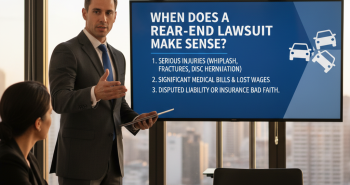
Chronic or acute back pain can be a serious red flag in the aftermath of a rear-end collision. Along with medical concerns, it may indicate significant injury, especially if you needed immediate evaluation. From a legal standpoint, persisting discomfort can help prove that you endured physical harm and deserve compensation for expenses and pain and suffering.
When insurance companies respond to rear-end accident claims, they often question the severity of injuries. By highlighting your back pain, you demonstrate a tangible, ongoing medical concern. Working with a rear end accident attorney or rear end accident law firm could strengthen your position because they understand how to present medical findings and negotiate with insurers. If you suspect negligence by the at-fault party, your back pain can be the focal point for establishing the full impact of the crash on your wellbeing.
Understanding Lower Back Pain After Being Rear Ended
Lower back pain frequently emerges after a collision, sometimes exacerbated by the angle of impact and the force with which our bodies are thrust forward. The lumbar region absorbs a substantial amount of stress when a car is hit from behind. Small cracks in the vertebrae, muscle strains, or compressed spinal discs can all create lingering pain that disrupts daily routines.
Far too often, people dismiss mild back soreness, hoping it will go away on its own. However, even low-grade strains can worsen without proper care. We encourage you to monitor how your lower back feels in the days following the collision—if the pain worsens, becomes persistent, or starts to affect your mobility, consult a medical professional right away. Documenting these symptoms helps piece together a clear picture of how your lower back injury occurred and why ongoing treatment is necessary.
Common Upper Back Pain After Being Rear-Ended
While lower back issues might top the list of collision-induced injuries, upper back pain can also develop from a forceful impact. We often see people with stiff necks, tight shoulders, or sharp pains between the shoulder blades after a rear-end accident. In many cases, the sudden jolt causes micro-tears in the muscles and ligaments of the thoracic spine.
Because the upper back is linked to neck and shoulder mobility, pain in this area can quickly spread. If you find it difficult to turn your head or lift your arms, it might be more than just a short-term muscle twinge. A thorough exam by a physician, possibly including X-rays or MRI scans, can clarify the injury’s nature. If the collision occurred while you were stopped, you may find additional details about these injuries by reading our resource on getting rear-ended while stopped.
How Rear-End Accidents Cause Back Injuries
Rear-end accidents have a distinct way of impacting our bodies. Even at moderate speeds, a sudden jolt forces the spine to flex and whiplash. We brace ourselves against the seat or steering wheel, causing abrupt tension in our backs. This unnatural motion twists and strains muscles, ligaments, and joints in ways that rarely happen in day-to-day activities.
Some accidents occur at intersections or slow-moving traffic, while others happen at higher speeds on busy roads. Regardless of the specifics, repeated studies show that injuries can still arise when collisions happen at seemingly low velocities. Spine misalignment, disc rupture, and nerve impingements are just a few ways in which this sudden force can damage the back. If the collision involves an intoxicated or negligent driver, you might also explore situations like a rear ended by drunk driver.
Symptoms to Watch for After a Rear-End Collision
Many of us assume that if we do not feel pain right away, the injury is minor. Yet, back problems often develop in the days following a collision. A few warning signs include:
- Stiffness or reduced mobility in the morning or after sitting
- Sharp shooting pains radiating down to the legs
- Tingling or numbness in the legs, feet, or arms
- Muscle spasms and contractions
Listening to our bodies is essential. Even when symptoms are subtle, they can escalate if left unchecked. These signs may also be an indicator of other injuries, including spinal disc issues or nerve involvement. If you experience any of them, it is wise to schedule an evaluation. Proper diagnosis not only helps alleviate discomfort but also strengthens the evidence in any rear ended lawsuit.
Delayed Back Pain: Why Symptoms May Appear Later
The human body can mask signs of injury, particularly during stressful situations. After a rear-end collision, adrenaline levels spike, sometimes hiding pain until days or weeks later. This delayed onset can surprise many of us, leading us to wonder if the pain stems from another cause. But more often than not, it is a direct result of the accident.
Additionally, small vertebral or tissue injuries may initially cause minimal symptoms. Over time, those minor injuries can develop into inflamed areas, nerve compression, or chronic pain. We frequently encounter people who have difficulty connecting a new pain flare-up to an older collision. However, detailed records of the crisis and immediate medical check-ups can help tie delayed pain to the initial crash.
No Win, No Fee. Let the Best Motor Vehicle Accident Attorneys Fight for your Compensation!
Diagnosing Back Injuries After Being Rear Ended
Effective diagnosis begins with a thorough physical exam. Doctors look for tenderness, swelling, and range-of-motion limitations in the spine. If any red flags surface, imaging tests like X-rays, MRIs, or CT scans come into play. These tests reveal fractures, herniations, or alignment problems that manual exams might miss.
In our experience, a clear diagnosis streamlines your treatment plan and proves the direct link between your back pain and the collision. If you are keeping track of medical expenses or anticipating a claim, save all diagnostic paperwork. It is also helpful to note how your pain ebbs and flows over time, since that may show the progression of your injury. As you build your case, you could learn more about the legal process by checking i was rear ended should i get a lawyer.
Treatment Options and Recovery for Rear-End Back Injuries
Once a back injury is identified, doctors usually suggest a combination of therapies. Physical therapy often takes center stage. Carefully planned exercises focus on rebuilding strength, easing tension, and improving spinal stability. Massage therapy and chiropractic adjustments may also play a role, alleviating muscle tightness while helping realign any shifts in the spine.
If inflammation and pain persist, doctors may prescribe anti-inflammatory medications or muscle relaxants. In more severe cases, injections or surgical interventions might be required. Recovery length depends on the nature of your injury and your body’s healing response. We have worked with individuals whose back pain improves in a few weeks, while others undergo therapy for months or even years.
Documenting Your Back Pain for a Stronger Claim
Clear, consistent documentation is crucial when pursuing compensation. Each doctor’s visit should be recorded, along with any referrals, prescriptions, or therapy sessions. If you need imaging tests, keep those records. You can also maintain a personal log of your pain levels, physical limitations, and how the discomfort affects your daily routines.
This log allows you to describe your situation in concrete terms. For instance, note the number of workdays missed and the types of activities you can no longer perform comfortably. Concrete, specific documentation will support your claim and show how your life has changed since the collision. If you seek to understand how these details might shape a settlement, you might explore how long does it take to settle a rear-end accident.
Back Pain After Being Rear-Ended Settlements: What to Expect
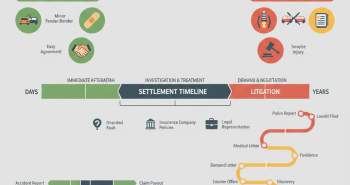
Settlements vary greatly depending on medical costs, the severity of your injuries, and your ability to return to normal activities. We have seen people recover compensation for doctor visits, physical therapy, prescriptions, lost wages, and pain and suffering. However, insurance companies might try to minimize payouts by challenging the extent of back injuries.
Gathering strong evidence is key to a fair settlement. If you are curious about potential payout ranges, read our resource on i got rear-ended how much money will i get. Bearing in mind that every case is unique, reaching a settlement often hinges on practical negotiation, robust medical documentation, and thorough legal representation.
How Legal Claim Assistant Can Help You After a Rear-End Back Injury
We understand the stress and frustration that back pain after a car accident can bring. At Legal Claim Assistant, our role is to connect you with a legal professional who can evaluate your claim. We specialize in guiding you through the complexities of insurance negotiations, documentation, and legal proceedings. Whether you are navigating a back pain after rear ended scenario or dealing with steep medical bills, we can help you explore your options.
We make sure you have access to the right resources. Our approach centers on transparency and collaboration, ensuring you understand each phase of your claim and what steps and evidence will strengthen it. We recognize that when back pain endures, you need medical care and legal guidance to reclaim your peace of mind. Reach out to us so we can review your case, connect you with an attorney, and provide a roadmap that helps you seek the best possible outcome.
No Win, No Fee. Let the Best Motor Vehicle Accident Attorneys Fight for your Compensation!