Back Pain After Rear Ended How Serious Is It?
 Fact Checked By Our Attorneys

Back pain after being rear ended can be more than an annoyance. When we are hit from behind, the sudden force often jolts our neck, shoulders, and lower spine. Even a low-speed impact can create injuries that lead to persistent discomfort, swelling, or limited mobility. For many of us, it may feel mild at first, then worsen over the days that follow.
In this article, we will explore why back pain emerges from rear-end collisions, which areas of the spine are most susceptible, and how symptoms can evolve if left untreated. We will also discuss the steps to take after being rear-ended and offer guidance on legal and medical support. Our goal is to help you gain clarity about the seriousness of back injuries so that you can make informed decisions about your recovery and possible compensation.

No Win, No Fee. Let the Best Motor Vehicle Accident Attorneys Fight for your Compensation!
Table of Contents:

What Causes Back Pain After Being Rear-Ended
When a vehicle strikes us from behind, the impact typically propels our body forward and then backward against the seat, often at a velocity our muscles and ligaments are not prepared to handle. This violent motion can strain spinal structures such as discs, nerves, and facet joints. Even if our car is moving slowly, the neck and spine can be whipped back and forth, leading to soft tissue damage.
Inflammation and muscle spasms can set in soon after the collision. The body’s natural defense mechanism causes tissues around the injury site to tighten, producing significant pain. Furthermore, hidden trauma to discs and vertebrae may not present symptoms for days. It is critical for us to recognize these potential injuries and monitor any pain progression after a rear-end collision.
Areas of the Spine Most Affected in Rear-End Collisions
Although back pain after a crash can manifest anywhere along the spine, some areas are more vulnerable than others. The cervical spine (neck region) and lumbar spine (lower back) commonly experience the greatest stress, due to the sudden extension and flexion caused by a rear impact.
The mid-back, or thoracic spine, can also suffer bruising or soft tissue injuries if our torso twists unnaturally during the collision. Because each segment of the spine is interconnected, pain in the lower back might also radiate to the hips and legs, while upper back trauma can generate recurring headaches or stiffness.
Common Back Injuries From Rear-End Accidents
Rear-end collisions often result in a range of back injuries, from minor aches to severe spinal complications. Although every accident is unique, there are a few common conditions we should be aware of:
- Muscle strains and ligament sprains. Overextension of the muscles and soft tissues around the spine leads to tenderness or spasms that can persist for weeks.
- Herniated or bulging discs. The sudden jolt can shift the position of the spinal discs, causing pressure on nearby nerves. This condition sometimes creates shooting pain down the legs or arms.
- Vertebral fractures. In high-impact collisions, the force can crack or compress parts of the vertebrae. This injury is serious and may require significant rest or even surgery.
- Facet joint damage. These small joints connect each vertebra, and excessive twisting can inflame or injure them, leading to chronic discomfort and reduced range of motion.
Even if some of these issues feel mild at first, they can worsen over the days as inflammation sets in or as we unintentionally strain the injured area in daily activities.
Symptoms of Back Pain After a Rear-End Collision
Back pain can take different forms, and identifying the signs early is crucial. Depending on the injury, symptoms often include a dull ache in the lower or mid-back, which might intensify when bending or standing. We might also notice tingling or numbness radiating down a leg or arm if nerve compression is involved. Persistent stiffness that makes it difficult to turn our neck or torso is another indicator of potential damage to spinal structures.
Some individuals experience muscle spasms or tension headaches, which can emerge from upper back strain. Others may feel sharp, stabbing pain during certain movements, while the pain remains steady and throbbing at rest. Monitoring these patterns helps us understand the severity of the injury and signals when professional care is needed.
Can Back Pain Appear Days After the Accident?
Yes, it often can. Our bodies release stress hormones like adrenaline during a collision, which may temporarily mask or reduce pain sensations. Tissue inflammation also takes time to develop, and minor tears in muscles or ligaments may not hurt immediately. As a result, we might feel surprisingly fine in the first 24 hours, only to discover significant pain in the days that follow.
Sometimes, disc-related injuries can remain undetected for several weeks, slowly intensifying as the displaced disc begins to aggravate the surrounding nerves. This delayed onset can be confusing, but it makes prompt medical evaluation extremely important—even if we believe we were only lightly hurt at the scene.
How Long Can Back Pain Last After a Rear-End Collision?
Recovery time varies widely, depending on the severity of the injury. Mild strains typically improve within a few weeks, especially when we rest and follow recommended treatments. More serious issues—like herniated discs or significant spinal fractures—can last several months or longer.
Emotional stress can also prolong our perception of pain. When we worry about missing work or paying medical bills, we may inadvertently tighten our muscles and increase discomfort. If symptoms persist for longer than a few weeks or keep returning, it is important to seek medical advice and consider consulting a rear end accident lawyer if the pain is affecting our daily life or ability to work.
Steps to Take Immediately After Being Rear-Ended
The moments following a rear-end accident can feel overwhelming. However, a few prompt actions may protect our health and strengthen any future claim if injuries worsen. First, make sure to move out of harm’s way and call the authorities to file a police report. If possible, document the accident scene with pictures of vehicle damage, road conditions, and visible injuries.
We should also consider these steps soon after the incident:
- Seek medical attention. Even if we feel fine, a thorough check-up can reveal hidden trauma such as whiplash or spinal misalignment.
- Exchange information. Collect the contact and insurance details of all drivers involved, and get contact info from any witnesses.
- Follow up. Keep copies of all medical evaluations, prescriptions, and proof of missed work hours. This record can be critical for insurance or rear ended lawsuit proceedings.
If we have questions about the proper protocol, we can check out what to do when you get rear ended for a deeper look at immediate steps that might spare us further headaches down the road.
No Win, No Fee. Let the Best Motor Vehicle Accident Attorneys Fight for your Compensation!
Documenting Your Back Injury and Accident Details
Accurate documentation can be invaluable if we need to prove that our back pain is directly related to the rear-end collision. Start by noting any initial discomfort, even if it feels minor. Write down how the pain changes over time and keep all medical notes together.
We should also maintain a file with receipts for treatments, medication costs, or any required medical devices such as braces. If we need imaging, such as X-rays or an MRI, store those results in a secure place. Keeping a journal of our daily symptoms, mental distress, and physical limitations is another tool that can provide strong evidence of how the accident has affected our life.
Treatment Options for Back Pain After Rear-End Accidents
Medical care for back pain after being rear ended can range from conservative therapies that relieve symptoms to more advanced procedures aimed at addressing severe injuries. Initially, a doctor may suggest rest, anti-inflammatory medications, and targeted physical therapy to rebuild muscle strength. If a specialist suspects nerve involvement, diagnostic imaging can confirm conditions like disc herniation or spinal nerve compression.
Depending on the findings, we might need epidural injections, chiropractic adjustments, or a short course of prescription pain medication. In extreme cases, surgery is required to repair damaged vertebrae, stabilize the spine, or remove a disc fragment pressing on a nerve. Every person’s case is unique, so it is important to follow a treatment plan recommended by qualified healthcare professionals.
At-Home Care and Recovery Support
In addition to professional medical treatments, there are steps we can take at home that may soothe our back pain. Applying cold packs or warm compresses to the affected area can reduce swelling and ease muscle tension. Light stretches—done under the guidance of a physical therapist—help maintain flexibility and blood flow.
Maintaining good posture and using supportive seating may also prevent undue strain during daily activities. We must remember to stay hydrated and incorporate balanced meals to aid the body’s healing process. Gentle walks or low-impact exercises like swimming, once approved by a doctor, can further assist recovery by strengthening core muscles that support the spine.
What Happens if Back Pain Goes Untreated?
Leaving back pain untreated can lead to complications that greatly impact our well-being. Chronic inflammation may erode joint and muscle health, raising the risk of more severe injuries down the line. If a herniated disc is not properly managed, it can compress spinal nerves, causing mobility challenges, numbness, or constant pain.
Untreated injuries often force us to compensate by shifting weight or avoiding certain movements, which can cause additional stress on neighboring muscles and joints. We might also develop a cycle of reduced activity leading to muscle weakening, which then worsens the pain over time. Ultimately, ignoring the problem may make it harder for us to recover fully and can diminish our quality of life.
When to Consider Hiring a Personal Injury Attorney
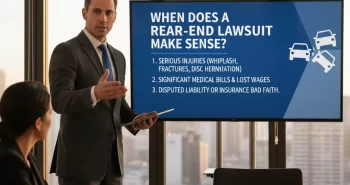
It can be difficult to assess the extent of financial and emotional losses until our medical bills and time away from work begin to add up. In situations where we were not at fault—and can demonstrate that the other driver caused the accident—we may be entitled to compensation. However, insurance companies do not always offer a fair settlement right away.
We should consider consulting a rear end accident attorney if our medical costs are increasing, if there is uncertainty about liability, or if we sense prolonged negotiations with insurers. An experienced lawyer can evaluate our claim, help us gather the necessary evidence, and negotiate a better outcome. If we find ourselves saying, “I was rear ended, should I get a lawyer?” checking out i was rear ended should i get a lawyer can shed light on our options.
How Legal Claim Assistant Can Help You After a Rear-End Collision
At Legal Claim Assistant, we understand how overwhelming it is to navigate the legal and medical aspects of a rear-end accident. Our platform is designed to connect us with attorneys who have a proven track record handling claims related to back pain after being rear ended. We can streamline the process by assessing our eligibility, gathering relevant documents, and aligning us with the right professional for a free case review.
Because accidents within the last 12 months can still qualify for a legal claim—especially if we’ve needed medical treatment—acting promptly is essential. We are here to clarify our legal standing, discuss potential compensation, and remove much of the guesswork involved in dealing with insurers. By supporting us throughout each step, Legal Claim Assistant helps ensure that we focus on a stable recovery while experts handle the legal complexities on our behalf.
No Win, No Fee. Let the Best Motor Vehicle Accident Attorneys Fight for your Compensation!