Can Passengers Sue a Drunk Driver After an Accident?
 Fact Checked By Our Attorneys
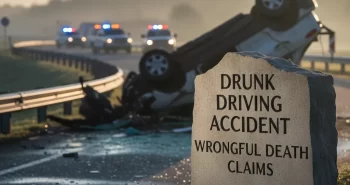
When a drunk driver causes a collision, there is often an understandable focus on the driver’s liability. Yet passengers who suffer injuries in these accidents have distinct rights that deserve just as much attention. We frequently hear the question: “Can passengers sue a drunk driver after an accident?” The short answer is yes, but there are legal nuances that can affect how claims proceed, the compensation available, and the steps connected with building a credible case.
We know that being a passenger in a drunk driving accident can feel overwhelming. You may be stressed about medical bills, confused by insurance procedures, or unsure about your legal options. In this guide, we will walk through what it means to file a personal injury claim as a passenger, discuss exactly who can be held responsible, and explain how to pursue compensation for your injuries. By understanding how the legal process works, you can be better prepared to protect your rights and take the next steps toward rebuilding your life after such a traumatic event.

No Win, No Fee. Let the Best Motor Vehicle Accident Attorneys Fight for your Compensation!
Table of Contents:

Filing a claim as a passenger after a drunk driving accident
Filing a claim can seem more complicated when you were not the driver. Passengers sometimes feel they have fewer options or that they cannot hold the drunk driver accountable. However, the legal system does allow injured passengers to seek compensation from those at fault. In many cases, this means filing a claim with the drunk driver’s insurance company. If the driver lacked insurance or had only minimal coverage, you might be able to pursue damages through your own insurance policies or underinsured motorist coverage.
Passengers are commonly covered by the at-fault driver’s bodily injury liability insurance, assuming that policy is valid. The goal is to reimburse you for medical expenses, lost wages, pain and suffering, and in some cases property damage. If the drunk driver’s insurance denies your claim or offers an unfair settlement, you still have a right to take legal action and pursue a personal injury lawsuit. Do not assume one single denial means the end of the road.
We encourage you to document every out-of-pocket expense you have incurred since the crash. These expenses might include hospital bills, physical therapy costs, medication fees, and transportation to medical appointments. Detailed records will strengthen your claim and underline the financial and emotional impact the accident has had on your life.
Understanding your legal rights as a passenger
As a passenger, you have the right to safe passage. No driver is permitted to operate a vehicle while intoxicated, and the law recognizes that you are not responsible for another person’s reckless choices. State laws vary, but in every jurisdiction nationwide, drunk driving is considered grounds for negligence. Under personal injury law, negligent behavior that causes harm to others typically triggers a right to compensation.
It is important to remember that your right to sue is not limited to the driver’s insurance coverage. In some states, social host or dram shop laws can hold bars or other establishments partially liable if they served alcohol to a visibly intoxicated person who later caused a crash. When building a claim, make sure to discuss all possible avenues of liability with a qualified legal professional. Those additional channels might significantly expand the pool of funds available for settlement.
We also advise you to be prepared for the possibility that the driver or other at-fault parties could mount defenses against your claim. For instance, an insurance company might try to reduce its liability by claiming your injuries are less severe than you state. Solid documentation, timely medical evaluations, and a thorough legal strategy can help counter such defensive tactics.
Who can you sue after a drunk driving crash?
When you decide to take legal action, your first target is often the intoxicated driver. This individual made the conscious choice to drive under the influence, which violates state law and demonstrates a reckless disregard for public safety. You can typically file against the driver’s insurance company, or in some severe cases, file a direct lawsuit against the driver. If you ever wonder whether you have grounds to pursue a case, consider checking our dedicated resource on can you sue a drunk driver for hitting you.
Depending on the circumstances, you might also pursue other parties. For instance, if the driver borrowed the car from someone who knowingly allowed them to operate it while intoxicated, that vehicle owner could potentially share liability. Similarly, if a bar or restaurant continued serving alcohol to a patron who was clearly intoxicated, dram shop laws in certain states could make that establishment liable for resulting damages.
When multiple parties might be at fault, legal strategy becomes a matter of pinpointing each responsible entity’s degree of fault. Typically, you focus on whoever had the most direct role in the accident, but you should not overlook secondary contributors. If you need additional clarity on liability issues, you can speak with an experienced drunk driving accident attorney or reach out to a drunk driving accident law firm for a focused consultation.
Steps passengers should take immediately after an accident
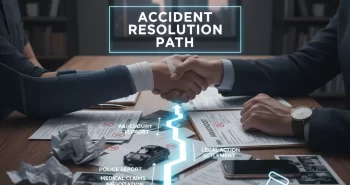
Taking the right steps in the hours and days following a collision can substantially strengthen your claim. First, if you are physically able, call 911. Getting the police to the scene helps ensure an official police report will exist, which can later bolster your claim. As soon as reasonably possible, seek medical treatment. Even if you do not feel badly hurt, some injuries—like whiplash or head trauma—can manifest hours or days after an accident. Documenting those injuries from the start can prevent insurance companies from claiming they occurred elsewhere.
If you are up to it, try to gather names, contact details, and insurance information from everyone involved, including witnesses. Take pictures or short videos of the accident scene, your injuries, and any damage to the vehicle. These visuals often serve as powerful evidence later on. Once you are safe, reach out to your own insurance company to share basic information about the incident. This is especially useful if the drunk driver lacks sufficient insurance coverage and you need to use your uninsured or underinsured motorist policy.
Finally, consider contacting a legal professional skilled in drunk driving accident lawsuit claims. Timely advice can prevent costly mistakes early on. We also have further resources on what to do after a drunk driving accident that can guide you through the step-by-step approach to initiating your claim.
Types of damages passengers can recover
Recovering compensation as an injured passenger is not just about medical bills. Depending on the severity of your injuries and the laws in your state, you may be entitled to a range of damages:
- Medical expenses
- Lost wages and future earning capacity
- Pain and suffering
- Property damage (including personal items lost in the crash)
- Emotional distress
In extreme cases, a court might award punitive damages, which serve to punish particularly egregious or reckless behavior. We will discuss punitive damages in more detail later, but it helps to know these can sometimes push the total compensation beyond basic personal injury coverage caps. Because each claim is unique, it is important to understand which damages specifically apply to your situation. We recommend creating a record of every cost you incur, from prescription receipts to proven caregiving expenses, to fully document your hardships.
If the claim goes smoothly, you might reach a drunk driving accident settlement without having to go to court. However, if negotiations stall and the insurance company does not offer fair compensation, filing a formal suit remains a viable next step. At that stage, an attorney can help you navigate court requirements and manage negotiations with greater leverage.
No Win, No Fee. Let the Best Motor Vehicle Accident Attorneys Fight for your Compensation!
How shared fault affects passenger claims
Shared fault arises when more than one party contributes to the cause of an accident. As a passenger, you usually bear little or no direct responsibility since you were not behind the wheel. However, consider a situation in which you knowingly got into a car with someone you recognized as highly intoxicated. Some states apply modified comparative fault rules, meaning that if you significantly contributed to the circumstances of the accident, your compensation could be reduced.
These rules vary, and understanding them can be tricky. Let’s say the legal system in your state lowers a claimant’s compensation by their percentage of fault. If the court determines that you bear 20% of the liability for voluntarily riding with an obviously intoxicated driver, your ultimate compensation might be cut by 20%. Even so, you may still recover a substantial portion of damages if the drunk driver’s behavior was the chief cause of the collision.
If you have doubts as to whether shared fault applies in your case, make sure you explore that question with an experienced legal team. It is especially important to clarify these details early on, so you can plan a strong strategy for recovering the maximum compensation you are rightfully owed.
Special considerations for rideshare or rental vehicle passengers
When a drunk driving accident happens in a rideshare or rental vehicle scenario, the claim may involve layers of insurance and unique contractual details. For instance, if you were a passenger in a rideshare vehicle and the driver was intoxicated, you could be dealing with the driver’s personal auto insurance, the rideshare company’s insurance policy, and possibly uninsured/underinsured motorist policies as well. Rideshare companies typically maintain substantial coverage for accidents that occur while drivers are actively transporting passengers.
Rental car accidents can also become complicated if the rental agreement specifically addresses liability in an incident involving a drunk driver. The rental car company might deny coverage for a driver who violates the terms of the rental, which often prohibit driving under the influence. As a passenger, you still retain your right to file a claim, but you might need to seek compensation directly from the driver’s personal insurance or personal assets.
Navigating these details can be overwhelming, particularly if you are still coping with injuries. We suggest partnering with a drunk driving accident lawyer who is experienced in rideshare and rental vehicle claims. Their expertise can help cut through daunting insurance policies, identify the correct parties to hold liable, and negotiate a fitting settlement.
The role of punitive damages in drunk driving cases
Many drunk driving cases involve the possibility of punitive damages. Unlike compensatory damages, which focus on reimbursing victims for their losses, punitive damages aim to punish the offender and discourage similar behavior in the future. Courts often impose them when a defendant’s conduct is deemed especially reckless or malicious. Drunk driving can meet this threshold because the decision to drive while intoxicated endangers public safety.
For passengers who have been severely harmed, punitive damages may significantly boost the total value of a claim. However, not every jurisdiction grants them automatically. They also demand a higher burden of proof. You must demonstrate that the driver behaved in a manner so irresponsible it justifies additional financial penalties.
If you suspect that punitive damages might apply to your situation, we recommend consulting with a professional who handles drunk driving accident wrongful death or serious injury cases. They can help outline the specific elements that courts look for and advise whether it is feasible to pursue this category of compensation in your state.
Why passengers need their own attorney
It might cross your mind that you can rely on the driver’s attorney or insurer to do right by you. This is not usually a safe assumption. Even if the driver is a close friend or family member, their insurance company’s main job is to protect the driver and minimize payouts. Without your own legal advocate, you could find yourself at a disadvantage when the time comes for settlement negotiations or potential lawsuits.
Having separate legal representation ensures that your interests are at the forefront. Your attorney will measure the true scope of your injuries and associated costs without worrying about conflicts of interest. If you suffered a concussion, ongoing mental distress, or permanent disability, a dedicated legal team ensures these factors are highlighted in settlement discussions. We have seen some passengers wait too long to secure independent counsel, only to realize later that the driver’s insurance never accounted for all their medical expenses or intangible losses.
If you are considering your legal options but feel uncertain, you can reference our discussion on whether you should i get a lawyer after drunk driving accident. We talk in more depth about what a lawyer can do to protect you from undervalued settlements and ensure you are treated fairly throughout the claims process.
How Legal Claim Assistant can help passengers pursue compensation
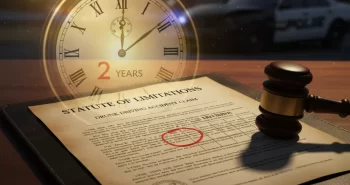
At Legal Claim Assistant, we work to connect you with the right resources so you can effectively exercise your rights. Our experience with drunk driving accident cases has shown us that many passengers are entitled to far more than what insurance providers initially offer. We guide you in understanding the statute of limitations drunk driving accident in your state, ensuring you meet all filing deadlines and avoid losing your right to pursue a claim.
We also help you gather relevant documentation, from police reports to medical records, so no essential piece of evidence gets lost in the shuffle. Our network extends to attorneys who specialize in both standard and complex scenarios—from “I got hit by a drunk driver” (/i-got-hit-by-a-drunk-driver) situations to multi-vehicle pileups and collisions leading to life-changing injuries. With our assistance, you can stay focused on your recovery while we match you with professionals ready to advocate on your behalf.
Ultimately, our mission is straightforward. We want you to have a chance to recover physically, emotionally, and financially from the ordeal of a drunk driving accident as a passenger. From the moment you contact us, we stand ready to guide you through each step of the claims process. If you or someone you love has been injured by drunk driver recklessness, consider reaching out so we can assess your case and help you navigate the journey to proper compensation. You deserve clarity, justice, and the assurance that you are not fighting this battle alone.
No Win, No Fee. Let the Best Motor Vehicle Accident Attorneys Fight for your Compensation!