Which Factors Lead To More Motorcycle Crashes Than The Others?
 Fact Checked By Our Attorneys
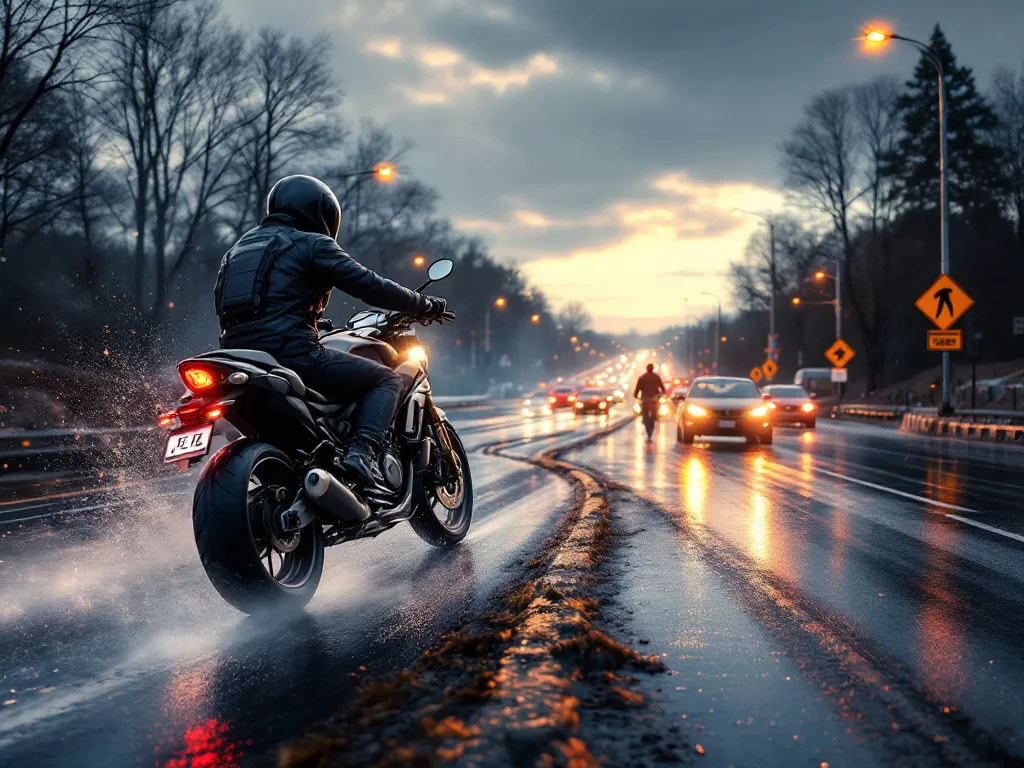
Motorcyclists face a unique set of challenges whenever they head out on the road. Wondering which factors lead to more motorcycle crashes than the others? Don’t leave your safety and legal rights to chance. If you’ve been involved in a motorcycle accident, get a free case review today to understand your options and secure the compensation you deserve. Our expert team is here to guide you every step of the way reach out now and take the first step toward justice and recovery. Riding a motorcycle safely requires awareness, proper training, and attention to both your motorcycle and the surrounding traffic.

No Win, No Fee. Let the Best Motor Vehicle Accident Attorneys Fight for your Compensation!
Table of Contents:

What rider behaviors most often lead to motorcycle crashes
The way we ride motorcycles can be one of the largest predictors of a crash. Certain reckless riding behaviors almost always increase our vulnerability, especially when combined with heavy traffic or other hazardous conditions. While some of these habits may seem harmless or simply part of the thrill for a few, they often come with hidden dangers.
Some of the most problematic riding behaviors include:
- Weaving in and out of lanes with minimal signaling, including risky lane splitting between stopped traffic.
- Following cars too closely, which reduces reaction time and increases the chance of rear-end collisions.
- Accelerating quickly through intersections without scanning for threats, often ignoring speed limits.
- Failing to check mirrors and blind spots consistently, especially when other vehicle drivers may not see us.
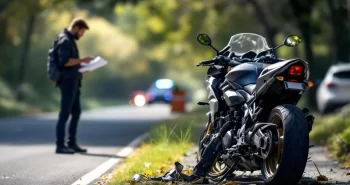
Rider error, including speeding and reckless behaviors, is a major contributor to motorcycle crashes. Speeding contributes to fatal motorcycle crashes; approximately 33-36% of motorcycle riders involved in fatal accidents were speeding. Many motorcycle crashes happen because other vehicles fail to see or yield to motorcycles around them due to their smaller size. Motorcycles are frequently victims of blind-spot accidents and left-hand turn accidents due to their low visibility. Nearly 70% of motorcycle accidents occur at intersections, particularly busy ones with high traffic.
When we become overly confident or in a hurry, we often overlook safer riding practices. Lane-changing without adequate signaling, for example, may appear insignificant, yet it puts us in a driver’s blind spot at the worst possible moment. Additionally, failing to slow down and plan routes in advance can make sudden stops more hazardous. By paying careful attention to mirrors, turn signals, and our distance from other motorists, we can significantly cut down on near-misses and many motorcycle crashes. Practicing proper rider safety and defensive riding can prevent many collisions involving motorcycle operators involved in traffic incidents.
How does alcohol and drug use contribute to motorcycle crashes
Alcohol and drug impairment are perennial issues in road traffic safety, and motorcycle riding is no exception. Operating a motorcycle requires precise balance, fast reflexes, and the rider’s ability to respond instantly to changing traffic conditions. Substances that alter judgment or delay reaction time create one of the most potent recipes for collisions.
Alcohol remains a major contributor to fatal motorcycle crashes, with a significant number of deceased riders testing above the legal BAC limit. In 2020, around 30% of all traffic-related deaths in the United States involved alcohol-impaired drivers, with 27% of riders in fatal motorcycle accidents being alcohol-impaired. Riding while impaired by illegal drugs significantly decreases a rider’s reaction time and decision-making abilities, contributing to a higher risk of accidents. Distracted driving, including phone use or adjusting gear, also increases the likelihood of motorcycle crashes happen unexpectedly.
Even a small amount of alcohol can impair coordination, increase the time it takes to process stimuli, and reduce peripheral vision. When we add in anything that distorts mental clarity, we set ourselves up for risk during maneuvers that rely on steady, purposeful control. This becomes especially critical at night or on busy roads where abrupt changes happen with minimal warning.
We also recognize that substance-induced crashes can have serious legal implications in addition to physical consequences. If another driver’s drug or alcohol use contributed to your collision, you may be entitled to motorcycle accident compensation. Gathering evidence of impairment can be a pivotal part of any motorcycle accident claim.
How does speeding and aggressive riding increase crash risk
Speed remains one of the leading causes of motorcycle accidents and fatal motorcycle crashes. For motorcycle operators, the stakes only grow higher because we have less protective features than those traveling in cars or trucks. Motorcycles lack a protective shell, airbags, and seatbelts, exposing riders to direct impacts. Excessive speeds shorten the time we have to see and react to sudden obstacles, often forcing hazardous maneuvers. An aggressive mindset, including weaving between lanes or accelerating sharply in dense traffic, further heightens the risk.
Motorcyclists are 27 times more likely to die in a crash per vehicle mile traveled compared to occupants of passenger vehicles, and 28 times more likely to die in a motor vehicle crash compared to passenger car drivers. Maintaining a safer pace is not about sacrificing the freedom of the ride. It is about preserving the flexibility to navigate unexpected road hazards. Riders who focus on controlling speed and respecting traffic signals lower their overall crash probability.
We have observed that riders who adopt moderate speeds within posted speed limits tend to have more room to adjust their course if a car swerves unexpectedly or a pedestrian steps into the street. When we speed, we not only reduce our reaction time, but we also reduce our margin for error. What could have been a manageable swerve at 40 miles per hour might become uncontrollable at 70 miles per hour. The overall risk of being thrown from the bike or colliding with other vehicles rises substantially.
How do weather and road conditions affect motorcycle crash likelihood
We often forget how much inclement weather and hazardous road conditions can challenge even the best riders. Rain, sleet, strong winds, or poorly maintained roads each introduce a layer of unpredictability that further complicates our riding approach. Riding in the rain can make road surfaces slippery, reducing traction and increasing the risk of skidding. Road imperfections that are minor for cars can be fatal for motorcyclists due to their lack of stability and exposure during falls.
Uneven or potholed rural roads also pose threats. While passenger car occupants can often sustain minor road imperfections without losing control, motorcycles demand near-constant adjustments from the rider. A single pothole can throw us off balance or damage critical components like tires, especially if we fail to spot it in time. Riding on gravel roads increases the risk of losing control due to less traction compared to paved roads.
Fatal motorcycle accidents are more likely to occur in non-urban areas due to higher speeds and less access to immediate medical care. We suggest checking local weather advisories before heading out and planning alternative routes if flooding, ice, or strong winds are anticipated. It is also wise to allow extra braking distance in wet or icy conditions. Adjusting our riding strategy based on the environment can spare us many roadside troubles.
What role does rider experience and training play in preventing crashes
Rider error is a significant contributor to many motorcycle accidents, making proper training and consistent practice some of the most effective safety measures to stay safe on two wheels. Formal courses teach us how to handle emergency braking, cornering, and other essential skills, but the learning does not stop there. Each year of experience builds on what we already know, improving our intuition for anticipating hazards.
Less experienced riders, especially younger riders and inexperienced riders, are at a heightened risk because they have not fully developed the muscle memory and reflexes needed to respond swiftly. In contrast, seasoned riders can sense subtle changes in traction or traffic flow and make corrections on instinct. That does not mean training is irrelevant for veterans. Advanced classes can offer new techniques, such as refined cornering methods or tips for riding in adverse weather conditions.
Motorcyclists comprise about 14-15% of all motor vehicle traffic fatalities while accounting for only about 3% of all registered vehicles. A significant portion of motorcycle riders involved in fatal crashes do not have a valid motorcycle license. Older riders face increased risks due to age-related declines in reaction time, balance, and vision.
We encourage prospective motorcyclists to enroll in a comprehensive rider safety program before hitting the open road. Successfully completing these programs can sometimes reduce insurance rates as well. Even for those who have been riding for years, periodic refresher courses can keep core skills sharp.
No Win, No Fee. Let the Best Motor Vehicle Accident Attorneys Fight for your Compensation!
How do other drivers and traffic interactions cause motorcycle crashes
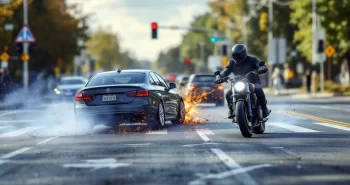
No matter how skilled we are as motorcycle riders, other motorists can still initiate dangerous situations. Vehicle drivers might change lanes without seeing our motorcycle, turn left across our path, or follow too closely. In many collisions involving a car and motorcycle, the automobile driver claims they simply did not see the bike in time. Distracted driving by other drivers contributes significantly to these incidents.
Intersections remain a frequent trouble spot where many motorcycle crashes happen. Vehicles turning left may misjudge our speed or overlook us entirely. Larger SUVs and trucks also have bigger blind spots, making it more likely they fail to register our presence until it is too late. If we are riding at night or in dimly lit conditions without sufficient reflective gear or lighting, the likelihood of being overlooked rises even more.
Motorcycle accidents spike during weekend evenings, often due to reduced visibility and increased leisure riding. Riders can enhance their visibility by wearing reflective gear and using headlights during the day. Riders should practice defensive riding by assuming that other drivers do not see them.
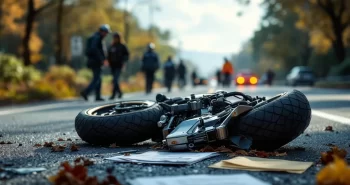
When a collision does happen due to another driver’s error, it is important to know what to do after a motorcycle accident. Gathering details of the accident scene, collecting exculpatory evidence from witnesses, and staying consistent with medical checks all support a potential motorcycle accident lawsuit.
How do mechanical failures or poor motorcycle maintenance contribute to crashes
Mechanical failures often happen when we least expect them, forcing us into scenarios that are difficult to control. A sudden tire blowout at highway speed or failing brakes on a steep downhill can lead to crash conditions within seconds. Unfortunately, many of these problems trace back to lapses in regular maintenance. Ensuring your motorcycle is maintained properly is critical for rider safety.
Staying on top of recommended service intervals for oil changes, brake pads, and tire inspections is a strong line of defense. Checking chains or drive belts for wear, ensuring lights and signals function properly, and monitoring tire pressure can prevent small issues from growing into major hazards. Even a malfunctioning headlight or taillight can raise the risk of being struck by a car unaware of our presence.
If you do experience a mechanical failure that results in a motor vehicle crash, you could be dealing with more than repair bills. Significant motorcycle accident injuries and property damage may follow. We encourage riders to document service records and examine their bikes frequently, keeping them both safe and legally protected.
How does visibility, lighting, and protective gear impact crash risk
Visibility is a key element of motorcycle safety. Because a motorcycle is smaller than most other vehicles, we depend on measures that make us easier to see. Reflective clothing and bright colors, especially jackets and motorcycle helmets, help other road users notice us more quickly. Properly aimed headlights and brake lights are equally important. If our signals are dim or obstructed, a nearby driver may have no clue we are slowing down or about to turn.
Wearing protective gear, such as helmets and armored jackets, can greatly reduce the severity of injuries in a motorcycle accident. Helmets reduce head injuries risk, sturdy jackets mitigate cuts and abrasions, and riding gloves protect our hands from impact. We have found that riders who consistently wear full protective gear often feel more confident on the road, which translates into calmer decision-making. Observing rider safety habits can drastically reduce motorcycle fatalities.
What types of motorcycles are involved more frequently in crashes
While the type of motorcycle alone does not guarantee a crash, safety trends do vary among different models and riding styles. Super sport motorcycles, for instance, are designed for speed and rapid acceleration. These capabilities can attract riders who prefer a more aggressive style, which may lead to collisions when not managed responsibly. Cruiser motorcycles tend to follow a more relaxed approach, but riders may still face risk if they skip protective gear or push the bike in dense traffic.
Touring motorcycles, often heavier and equipped for long-distance travel, can become harder to maneuver at slow speeds. Novice riders may find the bulkiness alone challenging and inadvertently stall or tip the bike in tricky spots. Meanwhile, off-road bikes used on public streets might lack the proper lighting or tires suited for everyday traffic, raising accident odds in urban areas.
If you happen to ride a high-performance or specialized bike, we encourage investing in additional rider training or gear that aligns with your motorcycle’s unique design. Having the right insurance and knowledge about what percent of motorcycle riders crash can also give you a realistic perspective on managing potential dangers.
How Legal Claim Assistant connects you with a motorcycle accident lawyer
Even when we take precautions, unforeseen factors can lead to a crash. If you were injured in a motorcycle collision that was not your fault, or if you served as a passenger on a motorcycle, it is natural to wonder what your legal rights and options might be. Our commitment at Legal Claim Assistant is to help injured riders secure the proper representation to pursue fair compensation for severe injuries, lost wages, and other damages.
Motorcyclists injured in a crash have legal rights and can seek compensation for their injuries and damages. Understanding fault and negligence is crucial in motorcycle accident cases to establish liability and secure compensation. An experienced attorney specializing in motorcycle accidents can provide invaluable guidance and help secure fair compensation for injuries and damages.
When you contact us, we start by learning about your situation. We verify basic details, such as whether a police report or insurance record exists, and we ask about any medical care you received following the incident. From there, we connect you with trusted personal injury attorneys who specialize in motorcycle accident cases. Such attorneys handle litigation, insurance negotiations, and all the complexities of a motorcycle accident litigation. They can also help estimate what is the average payout for a motorcycle accident in scenarios similar to yours.
Personal injury attorneys can assist victims in navigating the complexities of insurance claims and potential lawsuits following a motorcycle crash. Attorneys can help collect and organize evidence, such as medical records and accident reports, to strengthen a motorcycle accident personal injury case. Seeking the advice of an experienced personal injury attorney can help victims understand their legal options after a motorcycle accident.
The reasons behind motorcycle crashes stem from a complex mix of rider habits, environmental factors, mechanical reliability, and interactions with other vehicles. By recognizing these elements and adapting accordingly, we can reduce our chances of harm and promote rider safety. If you or someone you love has suffered injuries in a collision, remember that we are here to guide you in connecting with a skilled motorcycle accident attorney. You deserve to explore your legal rights without feeling alone in the process.
No Win, No Fee. Let the Best Motor Vehicle Accident Attorneys Fight for your Compensation!