


Key Takeaways:
Families can file a wrongful death lawsuit against police to seek compensation for economic, non-economic, and punitive damages.
Early legal action and gathering critical evidence like bodycam footage, medical records, and witness testimony are essential for a strong case.
Working with an experienced attorney can help improve your chances of fair compensation and ensures proper navigation of complex legal procedures.
Understanding Police Misconduct and Wrongful Death
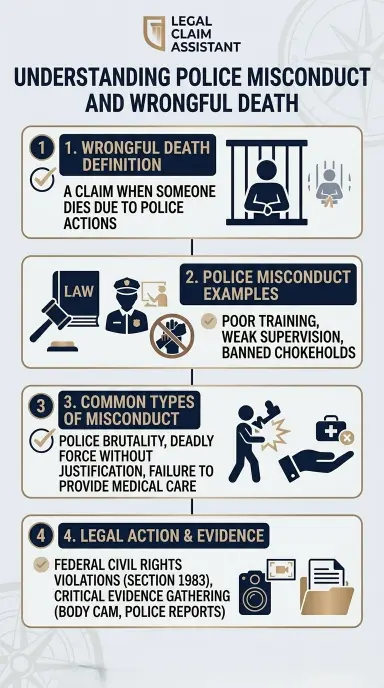
A wrongful death claim happens when someone dies due to police misconduct, negligence, or excessive force. Misconduct can include poor training, weak supervision, or banned practices like chokeholds, which have been outlawed under the Eric Garner Anti-Chokehold Act in New York.
These cases focus on whether the officer’s actions caused serious harm that led to the loved one’s death. This can happen during an arrest, in police custody, or during any interaction with law enforcement.
Police misconduct covers a wide range of actions. Common examples include police brutality, use of deadly force without justification, chokeholds, failure to provide medical care, or unsafe restraint methods. In some cases, misconduct also involves reckless driving by a police officer or intentional actions that violate proper procedures. Each wrongful death case depends on the specific circumstances and the conduct of the police officers involved.
Many claims also involve federal civil rights violations. This includes constitutional violations such as unlawful searches or excessive force. Families often file a civil lawsuit in federal court under Section 1983 to hold a police department or individual officer accountable. Even if criminal charges are filed, civil cases remain separate and focus on helping the victim’s family recover damages such as medical expenses, financial losses, and suffering experienced.
Strong evidence is critical in every wrongful death case. It is important to gather evidence early, including body camera footage, video footage, police reports, medical evidence, and witness testimony. This evidence helps show how the officer’s actions caused the death. Acting quickly also helps prevent loss or alteration of key records.
Who Can File a Wrongful Death Lawsuit Against Police
Eligible parties for filing a wrongful death lawsuit generally include the surviving spouse, children, or parents of the deceased. State law controls who has the legal right to file a wrongful death claim, and this often depends on the relationship to the person who died.
Eligible parties usually include:
Surviving spouse
Children of the deceased
Parents, if the victim was a minor
Personal representative of the estate
In many states, including under New York law, the personal representative must file the claim on behalf of all family members. This person acts in the interest of the victim’s family and handles the legal process, including working with attorneys, gathering evidence, and pursuing fair compensation.
Filing deadlines are strict. For example:
New York law requires a Notice of Claim to be filed within 90 days when suing a government entity such as a police department. The statute of limitations also limits how long you have to file a wrongful death lawsuit. Missing these deadlines can prevent you from recovering damages.
Acting early can help strengthen your position. It allows your legal team to secure evidence, review police conduct, and build a solid wrongful death case. An experienced attorney can guide you through the legal system, ensure the claim is filed correctly, and help you seek compensation for your loss.
Common Causes and Examples of Police-Related Wrongful Death
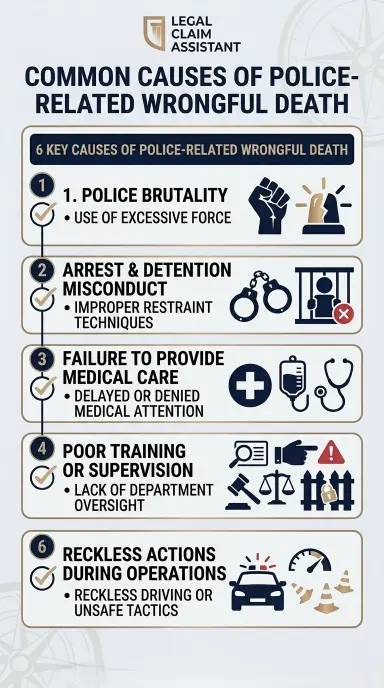
Wrongful death claims against law enforcement often arise from specific types of police misconduct or failure to follow proper procedures. The most common causes include:
Police brutality and excessive force
Use of deadly force, chokeholds, or physical force that is not justified by the situation. Many high profile cases in recent years involve officers using more force than necessary, leading to fatal outcomes.Negligent misconduct during arrests or detention
Improper restraint techniques, failure to monitor a person in distress, or ignoring clear signs of medical emergencies while in police custody.Failure to provide timely medical care
When a law enforcement officer delays or denies medical attention to an injured person, it can turn a survivable situation into a fatal one.Poor training or supervision by the police department
A police claim may also target the department if lack of training or oversight leads to preventable deaths caused by else’s negligence.Civil rights violations
Fatal encounters that involve unlawful searches, unlawful detention, or other civil rights violations under federal law.Reckless actions during police operations
This includes reckless driving during pursuits or unsafe tactical decisions that put lives at risk. Road-related fatalities caused by negligence can also lead to wrongful death car accident claims.
Each wrongful death case depends on strong evidence. Body camera footage, 911 recordings, police reports, and witness testimony often play a key role in proving what happened and whether the officer’s actions or intentional act caused the death.
Legal Framework for Filing Wrongful Death Lawsuits Against Police
A wrongful death lawsuit against police is a civil case to seek compensation for the family. It is separate from any criminal charges against the officer. The goal is to recover damages for financial loss, emotional suffering, and in some cases punitive damages for serious misconduct.
Qualified immunity protects police officers from civil liability unless they violated clearly established constitutional rights. High-profile cases in recent years have clarified how wrongful death claims apply under civil rights law and set precedent for future lawsuits.
These cases follow legal process under state law and federal law. The main steps include:
File a Notice of Claim
In many states, including under New York law, you must notify the government entity before filing a lawsuit. This is often required within 90 days when suing a police department.Appoint a personal representative
The personal representative of the estate files the claim on behalf of the family and manages the legal process.Choose the correct court
Cases may be filed in state court for negligence claims or in federal court if the case involves civil rights violations under Section 1983.Prove constitutional violations or negligence
The claim must show that the officer’s actions caused the death, either through negligence, excessive force, or an intentional act that violated constitutional rights.Meet the statute of limitations
Deadlines are strict. In New York, families generally have two years to file a wrongful death lawsuit after the death.
One major challenge in these cases is qualified immunity. This legal doctrine can protect a police officer unless it is proven that they violated clearly established rights. This makes strong evidence and legal strategy important.
Working with an experienced attorney or law firm helps you understand your legal options, gather evidence early, and build a strong case. Many firms offer free consultations, which allows you to review your case and take action within the required deadlines.
Types of Damages Recoverable in Police Wrongful Death Cases
Families can seek several types of damages in a police wrongful death case, depending on the circumstances of the loved one’s death.
These damages help recover both financial and non-financial losses caused by the officer’s actions or negligence.
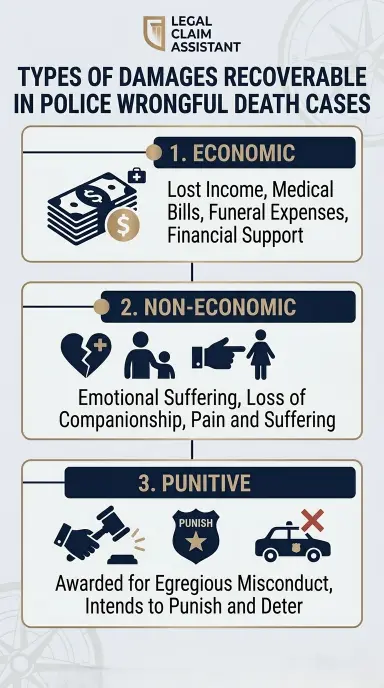
Type of Damages | Examples |
|---|---|
Economic | Lost income, medical bills, funeral expenses, loss of financial support |
Non-Economic | Emotional suffering, loss of companionship, pain and suffering experienced by family members |
Punitive | Awarded in cases of egregious misconduct or intentional acts to punish officers and deter future violations |
Settlement amounts vary widely based on the severity of the officer’s conduct, jurisdiction, and available evidence.
Compensation is determined by measurable losses, not criminal convictions. The personal representative of the decedent’s estate manages distribution to eligible family members. Recovering damages often may require experienced attorneys who can evaluate the case, negotiate with the police department or government entity, and pursue fair compensation through state or federal court.
Gathering Evidence for a Wrongful Death Lawsuit Against Police
Strong evidence is essential to prove liability and recover damages in a wrongful death case against law enforcement.
Key steps for gathering evidence include:
Collect body camera footage, dashcam or video footage, and 911 recordings
Obtain internal police reports documenting the officer’s actions and conduct
Interview witnesses who observed the incident or have relevant information
Secure medical records, post-mortem reports, and evidence of the victim’s injuries
Preserve any physical evidence related to the incident, such as personal property or environmental factors
Early evidence preservation is crucial, as records can be altered, lost, or destroyed over time. Working with an experienced attorney ensures proper collection, documentation, and presentation of evidence. A law firm can help identify relevant civil rights violations, establish negligence or intentional acts, and strengthen the claim to maximize recovery for the victim’s family.
Why You Need an Experienced Attorney
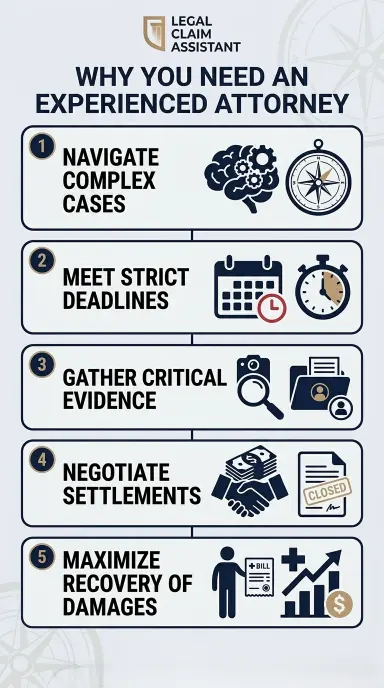
You need an experienced attorney because these cases are complex and have strict deadlines and legal protections like qualified immunity. Wrongful death claims against police are often complicated. Qualified immunity, strict filing deadlines, and procedural rules make it challenging for families to navigate the legal system on their own. An experienced attorney can guide you through each stage of the process and help ensure your case is handled correctly.
An attorney can identify eligible claimants and make sure the personal representative files the lawsuit on behalf of all family members. They handle the Notice of Claim and ensure the lawsuit is submitted on time, meeting all state and federal requirements.
Critical evidence is essential for a successful case. A skilled attorney will gather body camera footage, medical records, police reports, and witness testimony to build a strong claim. They can also negotiate settlements or represent the family in court if the case goes to trial.
Having legal representation significantly increases the likelihood of recovering damages. This includes compensation for medical expenses, lost financial support, and emotional suffering experienced by the family. An attorney also helps protect your rights against police officers and departments while guiding you through the legal system efficiently.
Filing the Lawsuit and Understanding Court Options
A wrongful death lawsuit against police can be filed in either state or federal court, depending on the type of claim. State court is generally used for negligence claims, while federal court handles civil rights violations under Section 1983. The personal representative of the decedent’s estate files the complaint on behalf of eligible family members.
Defendants usually include the police officers involved and the police department or municipality. The complaint must clearly show duty, breach, causation, and damages. Most cases are resolved through settlement, but some proceed to trial if liability or the amount of damages is disputed.
Key points in the process:
File the complaint in the appropriate court (state or federal)
Demonstrate officer’s duty and breach
Establish causation between the officer’s actions and the loved one’s death
Document damages, including economic, non-economic, and punitive
Working with an experienced attorney can help ensure each step is handled correctly and increases the likelihood of a successful outcome.
Frequently Asked Questions
Families pursuing a wrongful death claim against police often have urgent questions about the process, timelines, and potential outcomes. The answers below provide quick guidance on the most common concerns.
How much can you sue a police department for?
Settlement amounts vary widely depending on the facts of the case, jurisdiction, and the severity of police misconduct. Compensation may include economic damages, non-economic, and sometimes punitive damages.
Who pays when a police department gets sued?
Typically, the municipality or the police department’s insurance is responsible for covering settlements or court judgments. Individual officers are rarely personally liable unless they violated clearly established constitutional rights.
How long do you have to file a wrongful death lawsuit against police?
Deadlines vary by state. Under New York law, families generally have two years from the date of death to file a wrongful death claim, after submitting a 90-day Notice of Claim to the relevant government entity.
Can I sue individual officers if the department is immune?
Yes. Section 1983 allows families to file civil rights lawsuits against officers who violated clearly established constitutional rights, even if the police department or municipality has immunity.
What evidence is most important in a wrongful death case against police?
Critical evidence includes body camera footage, 911 call recordings, internal police reports, medical records, and witness testimony. Early collection of this evidence is important to strengthen your claim.
Contact an Experienced Wrongful Death Attorney Today
If your loved one died due to police misconduct, consulting an experienced attorney as soon as possible is important. Acting early helps preserve evidence, ensures the Notice of Claim and lawsuit are filed correctly, and allows for a thorough evaluation of potential damages.
An attorney can guide you through every step of the legal process. They work with the personal representative to gather evidence, review police conduct, and identify eligible family members for the claim. Early intervention can help strengthen your case and protects your rights against the police department and officers involved.
Most law firms offer free consultations to review your situation and explain your legal options. Working with a skilled attorney improves your chances of obtaining fair compensation for medical expenses, lost financial support, emotional suffering, and other losses resulting from your loved one’s death.
You Deserve Justice. Let Us Help.
Speak with a trusted Wrongful Death Attorney who will stand by your side, protect your rights, and fight for the compensation you deserve.
No Win, No Fee. Let the Best Wrongful Death Attorneys Fight for your Compensation!

Under 1 Minute

100% Free

Expert-Reviewed

Private & Secure
© 2025 Legal Claim Assistant. All Rights Reserved.
Terms of Service | Privacy Policy | Contact Us | Marketing Partners
Related Article
Share this article:


