What to Do When You Get Rear Ended Step by Step
 Fact Checked By Our Attorneys

Rear-end collisions happen more often than we might expect, and they can leave us feeling shaken, frustrated, and unsure of what to do. When we talk about what to do when you get rear ended, the key is understanding each step in the aftermath so we can protect our physical well-being and our legal rights. Whether the damage appears minimal or severe, being prepared can make the entire process smoother.
Many of us hope never to experience a motor vehicle accident, but the reality is that a distracted or negligent driver can cause a crash at any time. Rear-end collisions in particular can result in hidden injuries that surface days or even weeks later, disrupting daily life and potentially requiring ongoing medical care. By knowing the correct steps to take immediately and in the weeks that follow, we can prevent complications that might limit our ability to seek fair compensation.
In this guide, we will discuss exactly what happens after someone hits us from behind. We will look at the basic definition of a rear-end collision, common causes, what to do in the critical moments right after impact, and how to move forward with insurance, legal, and medical considerations. Our goal is to help relieve some of the stress that arrives with a crash and offer clarity at a time when confusion often prevails.

No Win, No Fee. Let the Best Motor Vehicle Accident Attorneys Fight for your Compensation!
Table of Contents:

What is a rear-end collision?
A rear-end collision occurs when one vehicle strikes the back of another vehicle. In many situations, the driver who hits the other from behind is held responsible for failing to stop or follow at a safe distance. The severity of injuries and damages depends on the speed of impact, the size of the vehicles involved, and the safety features present in each vehicle.
We often see rear-end collisions at stoplights, in traffic jams, or near intersections where sudden braking is common. The consequences can range from minor cosmetic damage to extensive vehicle repairs, not to mention physical injuries like whiplash, back pain, and even concussions. Learning the rear ended meaning more thoroughly helps us grasp the physical, emotional, and legal issues these types of accidents can create.
Common causes of rear-end collisions
Despite being one of the most frequent types of crashes, rear-end collisions are also among the most preventable. Recognizing the main causes can help underscore why vigilance is essential whenever we get behind the wheel. Some primary reasons include:
- Distracted driving. Checking text messages, scrolling through music apps, or even glancing at a GPS for too long can make us miss the fact that traffic has stopped ahead.
- Tailgating or aggressive driving. If we are following the car in front too closely or weaving around traffic, we increase the chance of a sudden impact.
- Speeding. Higher speeds mean longer braking distances, leaving no time to react when the vehicle ahead slows or stops unexpectedly.
- Driving under the influence. Alcohol or drug impairment delays reaction times, leading to an inability to brake in time.
Any combination of these factors can drastically raise the likelihood of a collision. By maintaining safe distances, obeying traffic laws, and minimizing distractions, we can do our part to prevent these crashes.
Immediate steps to take when rear-ended
When someone slams into the back of our vehicle, the first moments often pass in a blur. However, there are a few critical measures to keep in mind that can shape how the rest of the situation unfolds. If we ever wonder what to do when you get rear ended right in the heat of that moment, here is our advice:
First, take a deep breath and check yourself for injuries. Even if we feel fine, the impact may have caused an adrenaline rush that masks pain. Next, see if it is safe to move the vehicle out of traffic. Turn on hazard lights and move to the side of the road or a nearby parking lot if the situation permits. This step helps prevent a secondary crash.
Keeping personal safety as a priority, call the authorities. A police report can facilitate insurance claims down the road. If emergency services are needed, do not hesitate to request them. Once law enforcement arrives, be clear and concise in describing what happened. Gathering as much information as possible at this early stage lays the groundwork for any claims or legal actions that may follow.
Checking for injuries and safety
Once we are out of immediate harm’s way, the next focus is on personal well-being. Injuries from rear-end collisions are not always obvious—neck or back pain might arise later, and even mild headaches can signal deeper trauma. We should never dismiss symptoms or avoid medical attention. If we notice back pain after being rear ended or a persistent headache after being rear ended, we need to seek a thorough medical evaluation. Early treatment can significantly affect the recovery process.
It is also important to keep track of medical documents and follow any treatment plans that physicians recommend. Having medical records in order not only supports our overall health, but also provides key evidence if we file an insurance claim or consult with an attorney. Documenting injuries, medication prescriptions, physical therapy visits, or follow-up procedures demonstrates the impact of the accident on our lives.
Documenting the accident scene
Once it is safe, documenting the scene is one of the most important steps to take after a rear-end collision. Even a seemingly obvious case of a driver slamming into us needs clear documentation in case disputes arise about fault. These materials are useful for insurance claims and any potential legal processes, such as a rear ended lawsuit.
We recommend taking detailed photos of all vehicles involved—from different angles if possible. Include shots of license plates, any skid marks, and damage to surrounding property like guardrails or barriers. Note relevant factors such as the time of day, weather conditions, and approximate location. If there are traffic lights or signage where the crash happened, photograph those as well. Capturing these details early ensures we have an accurate snapshot of the environment.
Exchanging information with the other driver
Next, it is essential to exchange information with every driver involved. That typically means sharing names, phone numbers, driver’s license details, license plate numbers, and insurance policy information. If the crash happened because we were getting rear-ended while stopped, the at-fault driver’s insurance details become crucial in pursuing a claim.
We should keep conversations straightforward and avoid placing blame or apologizing. A simple, calm approach reduces the likelihood of arguments and ensures we do not inadvertently admit liability. If the other driver is uncooperative or does not have insurance, the police report and any witness statements become even more critical.
Collecting evidence and witness statements
Witnesses can add valuable perspectives that clarify how the accident unfolded. If there are bystanders who saw the incident, politely ask for their contact details. Request a brief statement of what they observed, and record it in your phone or write it down. Even a short, written description can support our version of events, especially if the other driver disputes the facts.
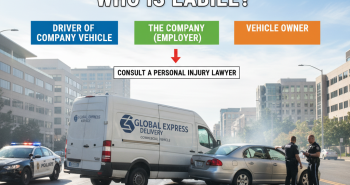
We might also use our phone to take photos or record videos of the immediate aftermath. This additional layer of detail can document how everyone was positioned, driver behaviors, traffic conditions, and other important elements. If our accident involved a commercial entity, such as being rear ended by company vehicle, having multiple witness accounts can be particularly useful in negotiations or court proceedings.
No Win, No Fee. Let the Best Motor Vehicle Accident Attorneys Fight for your Compensation!
Notifying your insurance company
Reporting the accident to our insurance provider is typically a requirement of our policy, even if we believe the other driver is at fault. Different insurers have their own deadlines, so it is wise to contact them as soon as possible. Present any preliminary details we gathered, such as the police report number, the other driver’s information, and photos from the scene.
Insurance claims can sometimes be straightforward, but complexities arise if the at-fault driver denies responsibility or if coverage is limited. In these instances, we could end up relying on our own policy, particularly if we have uninsured or underinsured motorist coverage. This type of protection is crucial if the other driver’s insurance fails to cover the full cost of medical expenses or vehicle repairs.
Filing a rear-end accident claim
A formal insurance claim aims to recover costs that arise due to someone else’s negligence. When we file a claim, we typically gather accident reports, hospital records, doctors’ notes, and receipts for vehicle damages. Demonstrating the severity of our injuries and the financial burden helps show the full scope of losses. If we are unsure how much compensation is possible, we can explore resources like i got rear-ended how much money will i get for a broad understanding.
It is also wise to maintain open communication with our insurance company representatives, adjusters, and any legal guidance we may seek. Throughout the claim process, we might need to clarify facts and supply new documents. Keeping a file of every conversation, email exchange, and expense receipt helps us track the progress and safeguard our interests. If at any point the insurer resists paying a fair settlement, we might need to escalate to a legal process.
Understanding your legal rights
In many rear-end accidents, the liability seems clear. Yet complications can arise, especially if the other driver argues that conditions were unsafe or if multiple vehicles were involved in a chain collision. We have the right to pursue compensation for medical bills, lost income, and pain and suffering if the collision was not our fault. This is true whether we were the driver of the impacted car or a passenger who suffered harm.
Even if the at-fault driver tries to minimize our claim, we should remember that accident law often protects those who took every reasonable measure to drive safely. Knowing our legal rights is particularly important if we discover serious injuries that need ongoing care. That care might continue well beyond the initial date of the crash, so it is important to be fully aware of any deadlines or statutes of limitations in our jurisdiction.
When to contact a rear-end accident lawyer
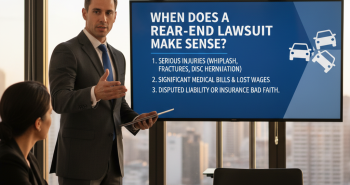
Deciding when to seek professional legal assistance can be challenging. If we have suffered significant injuries or if there is any dispute regarding who caused the accident, speaking with a legal professional becomes a critical step. A specialized rear end accident lawyer or rear end accident attorney can help interpret the finer points of insurance policies, medical bills, and settlement negotiations.
In certain scenarios—for instance, if we were rear ended while pregnant or sustained ongoing injuries that require extended physical therapy—legal guidance can offer peace of mind. We might wonder, “I was rear ended should i get a lawyer?” The answer often depends on our personal circumstances, but consulting a professional generally clarifies options far more quickly than going it alone.
How Legal Claim Assistant can help you
We know that the aftermath of a rear-end accident can feel confusing and overwhelming. Our team at Legal Claim Assistant understands how challenging it becomes to navigate insurance claims, gather evidence, and negotiate for a fair settlement—especially when physical recovery is our top priority. That is why we focus on helping accident victims streamline the process, so they can concentrate on getting their health and lives back on track.
When you reach out to us, we assess your situation to see if you qualify for compensation. If so, we connect you with the right legal professionals who specialize in rear-end accidents and are ready to provide a free case review. We walk you through the claims process, explain your legal rights, and stand by you as you pursue the settlement you deserve.
Our approach is simple: we believe in clarity, preparedness, and compassion at every step. Whether you need assistance interpreting complex medical records or want someone to review a settlement offer, Legal Claim Assistant aims to ensure no detail is overlooked. By getting the right help at the right time, you can build a strong claim and secure the compensation that truly reflects what you have been through.
Remember, having a solid plan of action is the best way to handle what to do when you get rear ended. With the correct support and knowledge, we can move beyond the stress of a sudden crash and focus on regaining a sense of normalcy in our daily lives. And if you ever need guidance on that journey, we are here to help every step of the way.
No Win, No Fee. Let the Best Motor Vehicle Accident Attorneys Fight for your Compensation!