What Is A Motor Vehicle Accident And When Do You Qualify For Compensation
 Fact Checked By Our Attorneys

If you have recently suffered injuries in a motor vehicle accident, understanding what qualifies as a motor vehicle accident and whether you are eligible for compensation is crucial. Don’t navigate the complexities of motor vehicle accident claims alone get a free case review today to see if you qualify for financial compensation. Being involved in a car collision, car crash, or other traffic accidents can be overwhelming, especially when dealing with motor vehicle accident injuries, insurance paperwork, traffic citations, and legal steps. The more you know about motor vehicle collisions, traffic violations, drowsy driving, and personal injury claims, the better prepared you are to protect your rights and recover compensation for medical bills and property damage.
Click the button below now to start your free case review and take the first step toward getting the support you need. Let us help you understand your options and connect you with experienced attorneys who specialize in motor vehicle accident claims and the related legal implications.

No Win, No Fee. Let the Best Motor Vehicle Accident Attorneys Fight for your Compensation!
Table of Contents:

What is a motor vehicle accident
A motor vehicle accident (MVA) is any collision or incident involving cars, trucks, motorcycles, buses, and other vehicles typically driven on public roads. This can range from a minor fender-bender to a more severe crash resulting in major property damage and injuries. You may be surprised to learn that even small “bump” incidents qualify as motor vehicle accidents once they’re recorded by law enforcement or insurance providers. Understanding motor vehicle accident law can help you navigate these situations effectively.
From a practical standpoint, most people consider a motor vehicle accident to be any situation where one or more vehicles collide, either with each other or with roadside objects or a stationary obstruction, resulting in damage or harm. Legally speaking, insurance companies often focus on factors like fault, location of the crash, traffic deaths, and resulting injuries. Understanding the basic definition is the first step to determining if you are entitled to file a claim after the incident.
Motor vehicle accident definition for injury and insurance claims
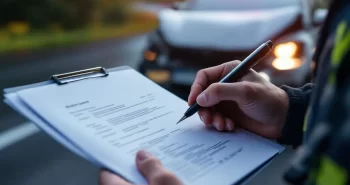
When it comes to injury and insurance claims, the term “motor vehicle accident” typically applies to a collision that causes measurable harm, such as physical injuries that need medical attention. Insurance carriers often look for documentation to confirm that the accident actually happened, such as a police report, eyewitness accounts, or photos of the scene. The police report, photos, and medical records are vital evidence for claims. The more evidence you gather, the stronger your position when seeking compensation for your injuries or property damage. Collecting as much evidence as possible, including photos of the car crash, traffic citations, and witness statements, will support your insurance claim process.
If your injury required medical assessment or treatment within two weeks after the accident, your claim may become stronger. In many situations, insurers and attorneys verify that you took reasonable steps to address your health needs immediately following the crash. In fact, in “no-fault” states, failing to seek medical treatment within 14 days can lead to denial of Personal Injury Protection benefits. Promptly seeking medical attention helps connect your injuries directly to the accident, which is a key component of most insurance claims and supports recovery of medical bills.
What is considered a motor vehicle accident that qualifies for compensation
You may qualify for compensation if the accident led to clear injuries or property damage and another party was partially or fully at fault. For instance, if you were a passenger in a vehicle that another driver struck, you often have grounds to file for damages. Similarly, if you were driving and another person’s careless behavior (like distracted driving, drowsy driving, or texting on a cell phone behind the wheel) caused a collision, you might be eligible for restitution.
In general, the following situations often qualify for compensation:
- You were not at fault, or only partially at fault, and suffered significant injuries.
- You were a passenger who sustained injuries in a collision, regardless of which driver was at fault.
If you meet these conditions, you could explore a motor vehicle accident compensation request. However, it is crucial to review your state’s traffic laws, confirm the date of the collision (ideally within the last 12 months), and check that you sought medical help soon after the incident. These factors help support that your injuries were significant and directly related to the crash. Legal implications for at fault drivers can include criminal charges, fines, and liability for medical bills and property damage.
Types of motor vehicle accidents commonly seen in MVA accident claims
Motor vehicle accidents can take many forms, and each type can influence the level of injury, damage, and compensation involved. Some of the most common accidents you might encounter include:
- Rear-end collisions. Occur when the front of one vehicle hits the back of another. They often happen in stop-and-go traffic or when a speeding driver is distracted. Rear-end collisions are the most common type of motor vehicle accident, often caused by tailgating or sudden stops.
- T-bone crashes. The front of one vehicle strikes the side of another (forming a “T” shape). This type of collision may happen at intersections or during illegal turns.
- Head-on collisions. Occur when two cars traveling in opposite directions crash into each other. These accidents can be extremely dangerous and often result in fatal motor vehicle crashes and traffic deaths.
- Single-vehicle accidents. The driver loses vehicle control and hits a guardrail, roadside ditch, or other fixed object. Sometimes an outside hazard, like debris in the road or vehicle malfunction, is to blame.
- Rollover accidents. These are especially dangerous types of crashes where the vehicle flips over, often due to sudden turns or collisions. Rollover accidents frequently result in severe injuries or fatalities.
These are common examples that might lead to motor vehicle accident claims. Even if your crash is not listed here, you could still qualify for financial recovery based on the details of your situation.
What is a class 5 motor vehicle accident and how severity affects claims
Depending on your location, officials often classify crashes based on the extent of injuries, vehicle damage, or both. In some jurisdictions, a “class 5 motor vehicle accident” typically refers to an incident where the damage is moderate, and injuries may require medical attention, including follow-up care. This classification is not universally standardized, so different areas might define the severity level differently.
Generally, the more serious your injuries, the higher the potential compensation. Severe injuries that need long-term rehabilitation, surgeries, or multiple doctor visits often result in a more extensive claim. Even in moderate cases, you may still qualify for compensation. The classification system simply helps determine the likely impact and financial repercussions of the collision. If you’re unsure about the formal classification of your accident, you can review your motor vehicle accident report or consult a professional for more information. The repair process and working with a trusted repair shop can also influence how quickly your vehicle is repaired and when you can recover compensation.
Why a motor vehicle accident occurs every day and why timing matters
Motor vehicle accidents happen every day due to a combination of human error, environmental, and mechanical factors. The vast majority of accidents are caused by avoidable behaviors, with approximately 94% attributed to human error as of 2026. Driver distraction, for instance, is on the rise with the prevalence of smartphones and onboard entertainment systems. Distracted driving is the leading cause of motor vehicle accidents, often involving activities such as texting, eating, or adjusting the radio. Even a momentary lapse in a driver’s attention can cause a car crash, making daily collisions an unfortunate reality on roads everywhere. Drowsy driving is another significant factor contributing to crashes.
The World Health Organization reports that approximately 1.35 million people die every year as a result of road traffic accidents worldwide, emphasizing the need for awareness and prevention. In the United States alone, there were over 36,000 fatalities in motor vehicle crashes in 2019. Motor vehicle accidents are responsible for sending over 2.3 million people to the emergency room each year in the United States.
The timing of when you act after an accident plays a major role in your potential compensation. You generally need to file a claim within a certain timeframe, often determined by your local statute of limitations motor vehicle accident guidelines. If too much time passes, you might lose your right to pursue compensation. Starting the insurance claim process quickly can also ensure that evidence is fresh, witnesses are easier to reach, and medical records accurately reflect your injuries. Recording as much evidence as possible at the scene strengthens your claim.
Common causes behind motor vehicle accidents that lead to valid claims
Many factors contribute to vehicle collisions on the road, but some causes frequently appear in valid compensation claims. Understanding these causes can help you determine if another driver or entity might be responsible for your damages. Typical scenarios include:
Driver distraction. The driver was texting, adjusting the radio, or otherwise not focused on the road, a leading example of distracted driving.
Speeding. Flattening traffic signals or ignoring speed limits often results in collisions with serious injuries, as excessive speed reduces a driver’s ability to maintain safe speed and vehicle control.
Drunk driving. Impaired judgment due to alcohol or drugs introduces substantial risk and is a leading cause of motor vehicle crashes.
Reckless driving and aggressive driving behaviors such as tailgating, weaving between lanes, or excessive speed increase the risk of accidents.
Careless maneuvers. Failing to check blind spots or properly signal can cause dangerous sideswipes or turning accidents.
Vehicle malfunction. Mechanical failures like brake issues or tire blowouts can lead to serious accidents. Regular vehicle maintenance can prevent accidents caused by mechanical failures.
Poor weather conditions and road hazards such as potholes or debris can impair vehicle control and contribute to crashes.
If someone else’s negligent or reckless behavior led to your injuries, you could potentially file a motor vehicle accident lawsuit. To support your claim, you will need strong evidence that demonstrates how another party caused or contributed to your accident and how it violated motor vehicle accident law.
Injuries that typically qualify after motor vehicle accidents
Certain types of injuries appear more often in MVA claims. Whiplash, for instance, is a common neck injury caused by the sudden jolt when vehicles collide. More serious injuries can involve your back, spine, or head sometimes leading to ongoing physical pain and limited mobility. These conditions often need multiple doctor visits or rehabilitation sessions, which can quickly become expensive.
When you sustain harm such as fractures, head trauma, pedestrian injuries, or ligament tears, it is essential to document your medical appointments thoroughly. Even “minor” injuries can worsen over time without proper care. Reviewing motor vehicle accident injuries that commonly arise could give you a better idea of what qualifies for a claim. As always, consulting a healthcare professional and seeking medical attention immediately after the crash is vital. The sooner you get diagnosed, the stronger your claim may become. This documentation also supports recovery of medical bills and helps prove legal implications of traffic violations by the at fault driver.
No Win, No Fee. Let the Best Motor Vehicle Accident Attorneys Fight for your Compensation!
What evidence strengthens a motor vehicle accident claim
Evidence is key to building a strong claim. Whether you are working with your insurance provider or taking legal action, having thorough proof of what happened makes it easier to show that you deserve compensation. You will typically need:
- Official documents. A motor vehicle accident police report, medical records, and images of the scene.
- Witness statements. Contact details from individuals who saw the crash can be critical for verifying events.
- Mandatory information. Collect mandatory information such as names, contact details, and insurance policy details from all drivers involved in an accident.
Collecting this evidence as soon as possible is crucial because it remains fresh and accurate. You may also want to keep a file of all bills related to the accident, including car repairs, medical bills, and any traffic citations. These records will help with determining liability, proving the at fault driver’s responsibility, and recovering compensation. If you are missing certain paperwork, you could explore motor vehicle accident evidence to learn more about how to gather missing records or statements.
Legal considerations and recent changes
Most U.S. states require drivers to carry liability insurance to cover potential costs resulting from causing a crash. In the United States, individuals involved in motor vehicle collisions may be held financially liable for the consequences of a collision, including property damage, medical bills, and injuries to passengers and drivers. Tort reform has changed the legal landscape regarding compensation for motor vehicle accident victims. Victims of auto accidents may pursue compensation for medical expenses, lost wages, and property damage.
As of January 1, 2026, states like Louisiana have adopted a 51% modified comparative fault system, barring recovery of damages if found 51% or more at fault. Additionally, new laws in some jurisdictions starting in 2026 limit lawsuits to the amount actually paid for medical bills, not the total billed.
In “no-fault” states, twelve states use a no-fault insurance system where injured parties file their primary claims with their own insurer. In such states, failing to seek medical treatment within 14 days can lead to denial of Personal Injury Protection benefits.
After an accident involving injuries or significant property damage, you may need to file a separate report with the Department of Motor Vehicles. It is also important to avoid admitting fault or making statements that may be viewed as admissions of liability at the scene of an accident. Key legal steps involve establishing liability through evidence and the official police report. Criminal charges may apply to the at fault driver in cases of reckless driving, drunk driving, or drowsy driving resulting in traffic deaths.
Liability may also involve third-party negligence, such as improper road maintenance. In cases involving a defect in the design or manufacture of motor vehicles, manufacturers may face class action lawsuits.
How to reduce the risk of motor vehicle accidents
Preventing motor vehicle accidents is critical for safety. Some effective steps include:
- Avoiding distractions while driving can significantly reduce the risk of accidents and traffic violations.
- Driving at safe speeds, especially in adverse weather conditions, is crucial for accident prevention.
- Keeping a safe distance from the car in front can prevent rear-end collisions.
- Using seat belts can significantly reduce the severity of injuries in a crash.
- Roundabouts can reduce motor vehicle fatalities at intersections by changing the vector of travel and reducing speed.
- Automated traffic enforcement measures, such as speed cameras, have been shown to reduce crashes resulting in injuries and traffic citations.
What to do after a motor vehicle accident
After a car accident or auto accident, prioritize safety, call 911, document everything, seek medical care, notify your insurer, and consider consulting a personal injury lawyer. Consulting with a personal injury lawyer is crucial for filing personal injury claims after sustaining injuries in a car crash.
Motor vehicle accidents can have detrimental impacts ranging from physical, psychological, and economic burden. Physical pain resulting from motor vehicle accident injuries can reduce one’s ability to perform normal everyday activities. Motor vehicle accidents can result in long-lasting psychological trauma for victims, which may lead to difficulty going to work, attending school, or performing family responsibilities. The financial burden of a motor vehicle accident can leave individuals and families dealing with costs incurred due to healthcare and vehicle damage. Recovering compensation for medical bills and property damage becomes essential.
By understanding what a motor vehicle accident is, the types and causes, how to protect yourself, and the legal considerations involved, you can be better prepared if you find yourself in such a situation. Knowing your rights and the steps to take after an accident can help you seek compensation and support you deserve. For personalized assistance, consider reaching out to experienced legal professionals who specialize in motor vehicle accident claims, traffic violations, and legal implications of car crashes.
Who does not qualify for compensation after a motor vehicle accident
While many victims have a valid reason to seek financial recovery, not everyone is eligible for compensation. If you were the primary cause of the accident and acted recklessly, such as drunk driving, aggressive driving, or drowsy driving, you might face major barriers in a personal injury claim. Driving under the influence is a serious offense and may also lead to criminal charges. Still, some regions allow partial responsibility claims if fault is shared among multiple parties, so it is always wise to check local regulations.
You also may not qualify if the accident happened more than 12 months ago (or outside your state’s specific timeline for filing), or if you did not seek any medical treatment for your injuries within a reasonable timeframe. Another scenario is if you had no measurable injuries or property damage, meaning there is little to no compensation to pursue. If you feel uncertain about your eligibility, you can consult motor vehicle accident legal advice resources for a clear understanding of your options.
How Legal Claim Assistant can help MVA victims
Navigating the complexities of insurance forms and legal procedures while you are recovering from an accident can be daunting. That is where Legal Claim Assistant steps in. After you confirm that your accident happened within the last 12 months, you needed medical attention, and you believe you were not the at fault driver, you can reach out for a free case review. Their process involves evaluating the details of your crash, then connecting you with a qualified and experienced attorney skilled in motor vehicle accident attorneys or motor vehicle accident lawyers.
Legal Claim Assistant’s main goal is to streamline the process, so you do not have to manage every aspect of your claim alone. They help you gather as much evidence as possible and guide you on steps like completing paperwork and standing by at every stage of negotiations or legal proceedings. This kind of support can be especially helpful if you are dealing with ongoing medical treatments and unsure about your next move. If you feel overwhelmed, know that you do not have to tackle an MVA claim on your own.
By understanding what a motor vehicle accident is, when it qualifies for compensation, and where to turn for help, you can begin your road to physical and financial recovery. Whether you are a passenger or a driver who is not at fault, these insights can equip you with the knowledge to pursue fair compensation and focus on healing. If you find yourself in such a case, consider reaching out to Legal Claim Assistant and get the personalized guidance you deserve.
No Win, No Fee. Let the Best Motor Vehicle Accident Attorneys Fight for your Compensation!