What Does Collision Mean in Traffic Accidents
 Fact Checked By Our Attorneys

When you’re searching for “what does collision mean,” you’re likely trying to understand your situation after a crash and you deserve clear answers and expert help. Don’t navigate confusing legal and insurance terms alone. Get a free case review with experienced attorneys who can evaluate your claim and guide you toward the compensation you deserve. At Legal Claim Assistant, we make it easy to connect you with the right lawyer start your free case review now and take the first step toward justice.

No Win, No Fee. Let the Best Motor Vehicle Accident Attorneys Fight for your Compensation!
Table of Contents:

What does collision mean
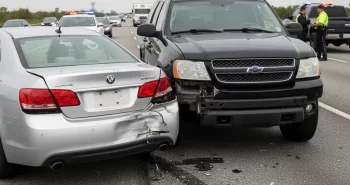
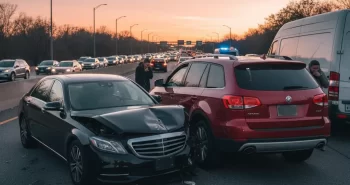
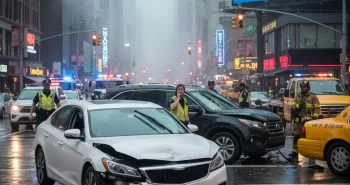
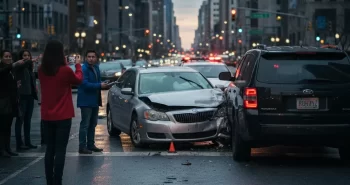
In everyday traffic accident language, a collision is any event where a vehicle strikes another vehicle, a person, or an object. It is a physical impact that causes a sudden transfer of force and energy. The impact can be minor, like a low‑speed bump in a parking lot, or severe, like a high‑speed head on collision. Understanding these incidents matters greatly because they often involve legal and insurance claims, and the language used helps determine responsibility and legal consequences.
The term ‘collision’ is a borrowing from Latin, specifically from ‘collīsiōn-‘, which means the act or instance of striking or crashing. The word ‘collision’ has been used in the English language since the Middle English period, around 1150 to 1500. The first recorded use of ‘collision’ in English dates back to before 1475, in R. Higden’s ‘Polychronicon’. In modern written English, the frequency of the word ‘collision’ is about ten occurrences per million words.
For legal and insurance purposes, a collision usually has three basic elements. First, there must be contact between your vehicle and something else, often another car or a fixed object. Second, that contact must be unplanned and unintended—an unintentional event or true unavoidable accident. Third, it must create some level of damage or risk of injury, which can trigger legal and insurance implications. Courts and insurers then sort incidents into different types of collisions, such as rear end collision, T‑bone, sideswipe, head on, or single‑vehicle events where a driver hits a guardrail, pole, or building. This classification is critical because it helps determine liability, financial liability, and insurance implications differ based on the type of collision and whether negligence was involved.
This is slightly different from how we might use the word “accident” in everyday speech. “Accident” focuses on the event as a whole, while “collision” focuses on the physical violent impact that caused the damage. That distinction becomes important once we talk about fault, coverage, legal and insurance contexts, and personal injury claims. Most traffic incidents are preventable collisions caused by reckless or negligent actions or violated traffic laws, while a true unavoidable accident may involve an unfortunate medical event or unexpected medical issue causing a collision.
Collisions refer to two objects striking each other with force. They involve forces and result in a change in the motion of the bodies involved due to internal forces acted between them. All collisions conserve momentum, which is a fundamental principle in physics. Collisions can be classified as elastic or inelastic based on whether they conserve kinetic energy before and after the event. A perfectly elastic collision has a coefficient of restitution of one, while a perfectly inelastic collision has a coefficient of restitution of zero. Inelastic collisions involve objects colliding where kinetic energy is lost, often transforming into heat or deformation. Elastic collisions, such as two balls colliding in cue sports, involve objects bouncing off each other with no loss of total kinetic energy. Understanding collisions is crucial in engineering for designing safer vehicles and structures to minimize damage during impacts, and also in legal contexts when determining judgment and driving ability or whether liability determined falls on a negligent driver.
In computer science and networking, the term “collision” also applies in different contexts. A data or file collision occurs when trying to save a new file with the same name as an existing one, causing a file system collision. A “hash collision” happens when two different pieces of data produce the same hash value. Similarly, a hash table collision occurs if a hash function maps two different keys to the same index in a database. In computer networking, a network collision happens when two or more devices on a shared segment attempt to transmit data simultaneously, resulting in corrupted data.
What does collision mean in car insurance
When car insurance companies use the word “collision,” they are usually talking about a specific category of coverage on your policy. Collision insurance is designed to pay for damage to your own vehicle when it is involved in a crash, regardless of who caused it, up to policy limits and subject to your deductible.
In the insurance world, a collision normally means your car hits another car or hits an object like a tree, fence, or barrier. If you back into a pole, get hit at an intersection, or slide on wet pavement and strike a guardrail, an insurer will typically treat those events as “collision losses.” This is different from comprehensive coverage, which handles things like theft, fire, vandalism, or hitting an animal. Insurance investigators will assess the situation, documenting the scene to evaluate liability and damages. If you want a deeper breakdown, it can help to compare comprehensive and collision, which we cover in more detail in our guide on what is the difference between comprehensive and collision insurance.
For injury claims and insurance claims, the way your insurer labels a crash as “collision” affects which parts of the policy come into play. A collision claim may involve property damage coverage, medical payments coverage for any medical emergency, and if the other driver was at fault, a not at fault collision claim against their liability insurance. When you speak with a car collision lawyer or motor vehicle accident lawyers, they will often start by asking how your insurer classified the incident, which insurance policies are available, and if any financial liability or legal consequences may arise.
What does expanded traffic collision mean
On some police reports and legal forms, you may see references to an “expanded traffic collision” or similar wording. This usually reflects a more detailed categorization of the event, not a different kind of crash. It means the incident is being broken down into specific factors for analysis, such as vehicle positions, directions of travel, speed, environmental conditions like poor visibility, and injuries. This helps describe California car crashes in legal and insurance contexts and ensures traffic laws and driver negligence involved are properly noted.
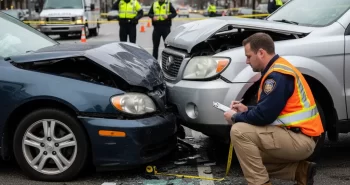
An expanded traffic collision report might include precise diagrams, statements from drivers and witnesses, measurements at the scene, and coding for the type of impact. For example, it may identify a crash as a frontal impact, a side impact, or a rear impact, and note whether there were contributing factors like distracted driving, drunk driver crashes, or failure to yield. Resources that discuss collision typology often describe these categories to help understand crash dynamics and injury risk, such as the National Highway Traffic Safety Administration’s work on crash investigation and data systems.
For your claim, this expanded detail matters because it can support or challenge the story of what happened. If the diagram clearly shows another driver striking you from behind at a red light, that supports a typical rear end collision liability pattern where liability determined is clearer. If it shows conflicting movements in an intersection, a lawyer may need to investigate more deeply, possibly using accident reconstruction, to prove fault. Such collisions, including preventable collisions caused by reckless or negligent actions, can significantly impact legal and insurance claims.
What does collision coverage mean
Collision coverage is the part of your auto policy that pays for repairs or total loss of your own vehicle after a collision, regardless of who was at fault, as long as the crash fits the policy definition. It is optional in many states for owned vehicles, but required by most lenders if your car is financed or leased.
If you carry collision coverage, you generally pay a deductible and the insurer covers the rest of the repair cost up to the vehicle’s actual cash value. If the car is totaled, they pay that value, minus your deductible. Collision coverage usually applies when:
- Your car hits another vehicle or is hit by one.
- Your car hits a stationary object, such as a wall, pole, fence, or median.
- Your car overturns or rolls, even if no other vehicle is involved.
Collision coverage is separate from liability coverage, which protects you against claims from others if you are at fault, and from comprehensive coverage, which handles non‑collision damage. When we help injured people review their policies, we often see that they do not realize collision coverage might help with their own repairs, even while a fault dispute is pending with the other driver’s insurer. An auto collision law firm can help coordinate both the property damage side and the bodily injury side of your case, navigating legal and insurance implications.
What does pre collision malfunction mean
Modern vehicles often come with “pre‑collision” or “pre‑crash” safety systems, such as forward collision warning and automatic emergency braking. These systems are designed to detect an impending impact and either warn the driver or apply the brakes automatically. When your dashboard shows a “pre collision malfunction” or similar warning, it usually means this safety system is not working correctly.
From a legal perspective, this message can matter in two main ways. First, if the warning appeared before the crash and you reported or tried to fix it, that can show you were acting responsibly. Second, if a malfunctioning system failed to prevent or lessen a crash that it should have mitigated, a lawyer may explore whether there is a potential claim involving vehicle maintenance, repair negligence, or in rare cases, a product defect. This can be relevant for describing California car crashes or traffic incidents that result in financial liability.
A “pre collision malfunction” message does not excuse another driver’s negligence. If someone rear ends you at a light, they are still usually at fault, regardless of your car’s warning systems. However, in more complex cases, such as multi‑vehicle pileups or truck collision events, these advanced systems and their error messages can become part of the evidence that accident attorneys and motor vehicle accident lawyers review.
No Win, No Fee. Let the Best Motor Vehicle Accident Attorneys Fight for your Compensation!
Collision vs accident in injury claims
People use “collision” and “accident” interchangeably in conversation, but in injury claims they often carry different weight. “Collision” is a neutral, factual term that simply describes the impact. “Accident” can imply that no one is to blame, which is not always accurate. Many serious crashes result from clear negligence, such as speeding, distraction, or running a red light. Understanding these events helps evaluate legal and insurance implications and judgment and driving ability.
When we look at legal documents, we usually see a preference for “collision” or “crash” instead of “accident.” That is because the core question in most personal injury cases is not whether something bad happened, but whether someone breached a duty of care and caused harm. A classic collision lawsuit will focus on specific acts, such as following too closely in a rear end collision or failing to yield in a T‑bone crash. Insurance implications differ depending on whether traffic laws were violated or reckless or negligent actions were involved.
For you, this distinction matters most when you talk to insurers and write any statements. Describing what happened in clear, factual terms, like “the other driver’s vehicle collided with mine while I was stopped,” helps avoid language that minimizes fault. An experienced rear end collision attorney or head on collision lawyer will frame your case in terms of preventable collisions, unsafe choices, and resulting injuries, rather than vague “accidents.” Accident examples and true unavoidable accident events can influence liability and insurance implications in legal and insurance contexts.
Real intake based collision examples
In our daily work, we see many patterns repeat in the facts people share on intake calls and forms. The stories below are simplified examples based on real‑world circumstances, with personally identifying details removed. They illustrate how “collision” is used in practice, how accidents collisions involve motor vehicles, and how legal and insurance claims unfold after these incidents. Incidents matters greatly when determining liability, negligence involved, and insurance implications.
Rear end collision with timely medical treatment
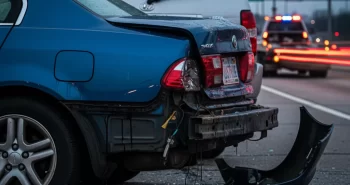
A driver is stopped at a red light, with one car ahead. A vehicle behind fails to slow in time and strikes the back of the stopped car. The impact pushes the victim’s vehicle forward, causing damage to the bumper and trunk and leading to neck and back pain later that day.
The injured driver goes to urgent care within 24 hours for evaluation, then follows up with physical therapy within the first two weeks. The police report classifies the event as a rear end collision, and the at‑fault driver’s insurer accepts liability. This pattern often leads to questions about legal and insurance implications, how long healing may take, and specifically how judgment and driving ability or reckless or negligent actions of the at-fault driver affect financial liability. A lawyer uses the clear collision type and prompt medical records to argue for full payment of medical bills, lost wages, and pain and suffering.
Passenger injury at an intersection collision
A passenger is riding in a friend’s car through an intersection with a green light. Another driver turns left across their path and causes a side‑impact collision on the front passenger side. The passenger’s knees strike the dashboard and they experience immediate pain and bruising.
Because the passenger was not driving, they are never considered at fault for the collision. They seek a medical emergency evaluation on the same day, then see an orthopedic specialist within the first week. There may be two potential liability policies: the turning driver’s insurance, and in some cases, the driver of the passenger’s vehicle if there is any shared fault. Motor vehicle accident lawyers can help identify which policies apply and explain how insurance implications differ depending on the collision type and legal and insurance contexts.
Collision with vehicle damage only
A driver backs out of a parking space and bumps into a concrete post at low speed. The rear bumper cracks, but no one is injured, and no other vehicle is involved. The driver has collision coverage and files a claim to repair the damage.
Even though this is a single‑vehicle event with no bodily injury, it is still a collision under the policy and can trigger property damage coverage. There is no personal injury claim against another driver, but the driver may still want guidance on what to do after a rear end collision and how such a claim might affect premiums. This kind of scenario is very different from injury‑heavy crashes we see in rear end collision settlement examples, but the underlying definition of “collision” in the policy is similar. Incidents matters greatly here because insurance implications, financial liability, and legal consequences depend on whether negligence involved or a true unavoidable accident occurred.
This collision definition applies to you if
The way we are using “collision” in this article likely applies to your situation if certain points match your experience. You were in a motor vehicle accident or traffic incident in the last 12 months. You were not at fault, or you were a passenger. There was a clear impact between a vehicle and another vehicle, person, or object that caused real damage or injury. Such collisions can involve legal and insurance claims, and language helps determine responsibility.
You also sought medical assessment or treatment within about two weeks after the crash. That might have been an emergency room visit, urgent care, your primary doctor, or another licensed provider. You may have needed follow up care such as physical therapy, imaging, or pain management. You probably have a police report, incident number, or at least insurance information from the other driver, or you carry uninsured or underinsured motorist coverage. Understanding these factors helps accident attorneys determine liability, legal consequences, and financial liability.
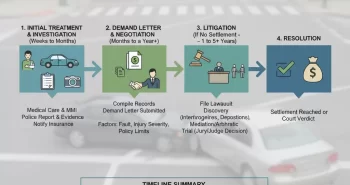
If many of these details fit, then the definitions we have covered for collision, collision coverage, and expanded traffic collision reports are directly relevant to you. In situations like this, it is usually worth more than just reading online guides. Talking with an attorney, through a service like Legal Claim Assistant, can clarify expected timelines such as how long does a rear-end collision settlement take and what steps you should take next to address legal and insurance implications.
Who this does not apply to
Our focus here is on collision events that cause injuries or meaningful property damage and that occur on roads or in typical traffic settings. If you were involved in a very minor parking lot bump with no pain, no treatment, and cosmetic damage only, this article may not match your needs. You may still have an insurance property damage claim, but likely not an injury claim that requires an accident attorney or motor vehicle accident lawyers.
This also does not apply to non‑collision events like weather‑only damage, theft, vandalism, or situations where you intentionally struck something. Those are normally handled under different coverage parts, often comprehensive coverage or separate policies. If your incident involved only business or commercial property, or happened long ago outside of normal limitation periods in your state, you may be outside the window where a new injury claim makes sense.
Finally, if you did not seek any medical care in a reasonable time after the event, proving that your current symptoms are related to the collision can be harder. It is not impossible, but accident attorneys and insurance investigators will look closely at timing, prior conditions, and documentation. In all of these edge cases, a brief conversation with a car collision lawyer can still help you understand your position, but the collision‑injury framework we have described will fit less neatly.
How Legal Claim Assistant connects you with the right collision lawyer
At Legal Claim Assistant, we use the details of your collision to match you with a lawyer who regularly handles your kind of case. We focus on factors like the types of collisions involved, whether you were a driver or passenger, whether a truck collision attorney or head on collision lawyer is more appropriate, and how recently you were treated. Our goal is to connect you with an attorney whose experience aligns with your facts, so you do not waste time explaining basic collision concepts.
When you reach out, we walk through what happened, what injuries you have, what treatment you have received, and what coverage is available, including your own collision and uninsured motorist policies. We then connect you with a car collision lawyer or auto collision law firm for a free case review. They can explain your rights, potential case value, and next steps, including what to do after a rear end collision or any other impact. Legal and insurance claims, financial liability, and insurance implications differ based on collision type, judgment and driving ability, and whether negligence involved was a factor.
Understanding what “collision” means is the first step. The next step is making sure your rights are protected and that you are not navigating the process alone. If your crash fits the situations we have described, we encourage you to reach out so we can help you connect with the right legal support. Accident attorneys, motor vehicle accident lawyers, and insurance investigators will use your documentation to guide your legal and insurance claims.
Throughout this article, we have touched on how collisions involve the interaction of two or more bodies or two or more objects in motion, where energy transfer and momentum play a key role in the impact. Whether it is a car crash, a bat hitting a ball, or two balls colliding in physics, the principles of kinetic energy, energy exchange, and motion apply. Understanding the science behind collisions helps clarify the circumstances of each instance, how heat and energy dissipate, and how liability is determined. Traffic incidents result in different insurance implications depending on whether the collision was preventable collision caused by reckless or negligent actions or a true unavoidable accident.
Collisions are not limited to vehicles; they can involve pedestrians, objects, and certain things in the environment. Sometimes collisions result from poor visibility, a drunk driver crashes, or a driver runs a red light, causing two cars to collide. Other times, it is the encounter of opposed ideas in a debate or the collision of particles in science. In all cases, the moment of collision is an event where forces interact, energy is exchanged, and consequences follow, including legal consequences and insurance implications.
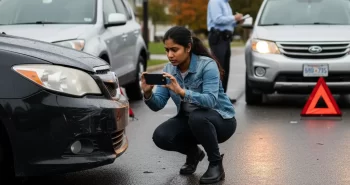
After a collision, it is important to check for injuries and call emergency services if needed. Gather all relevant information, including witness statements and photographs, and report the incident to your insurance company. Consider using legal templates to file a claim or manage disputes after a collision. If the situation is complex, seeking professional legal assistance may be beneficial. Determining fault and liability is important after collisions, especially since insurance companies distinguish between true unavoidable accidents and preventable collision caused. Safety organizations prefer the term “collision” over “accident” as it suggests the event was preventable and possibly caused by negligence. Collisions can sometimes result from negligence, recklessness, or intent, which affects legal and insurance claims. Language helps determine responsibility, describe California car crashes, and ensure proper insurance implications.
Collisions often involve motor vehicles but can apply to any objects that crash into one another, such as a baseball bat hitting a ball or two balls colliding in physics. A collision generally implies a transfer of energy or momentum, which can cause damage, a change in direction, or merging of objects. Examples include two cars colliding when one driver runs a red light or a pedestrian struck by a vehicle. Understanding collision is essential for filing claims and determining liability. Legal representation may be beneficial if the situation is complex after a collision.
No Win, No Fee. Let the Best Motor Vehicle Accident Attorneys Fight for your Compensation!