Types of Collisions and Legal Responsibility Explained
 Fact Checked By Our Attorneys
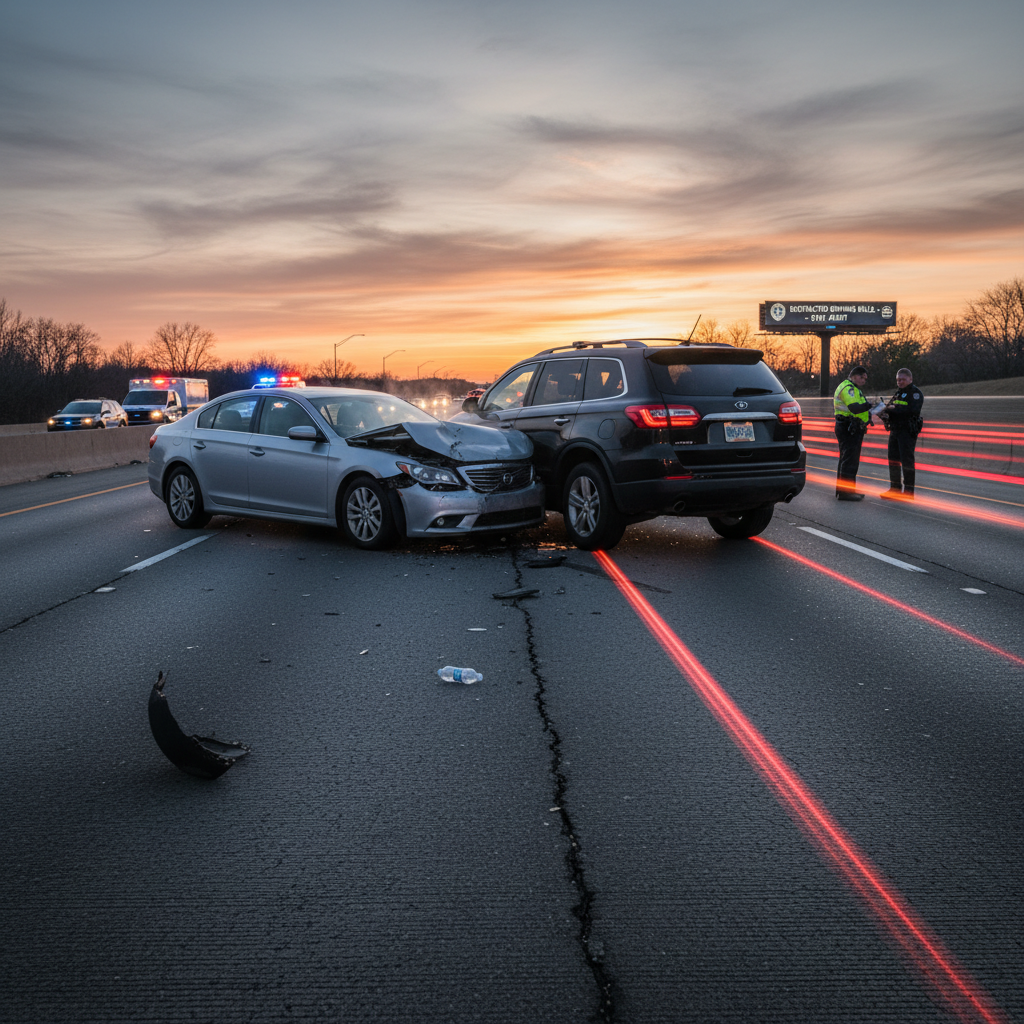
When you experience one of the many types of collisions, understanding your legal rights is crucial to protecting your claim. Don’t wait get a free case review now to find out if you qualify for compensation. Whether you were a careful driver or passenger injured due to someone else’s mistake, knowing the type of collision you were involved in can make all the difference. Legal Claim Assistant connects you with expert collision lawyers who can evaluate your case for free and guide you every step of the way.

No Win, No Fee. Let the Best Motor Vehicle Accident Attorneys Fight for your Compensation!
Table of Contents:

What are the different types of collisions
In everyday motor vehicle accident cases, we usually see a few recurring collision types. Each one has a typical pattern of impact, injuries, and liability. The most common include rear end, side impact (T bone), head on, sideswipe, single vehicle, and multi vehicle pileups.
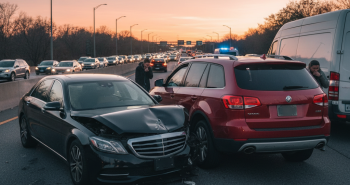
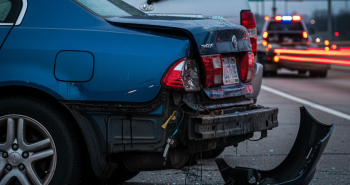
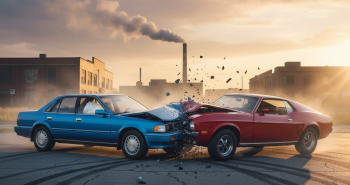
A rear end collision happens when one vehicle hits the back of another. A T bone collision happens when the front of one vehicle hits the side of another, often in an intersection. A head on collision involves the front ends of two vehicles striking each other, which can be especially severe and is explained in more detail in our dedicated resource on head on collision.
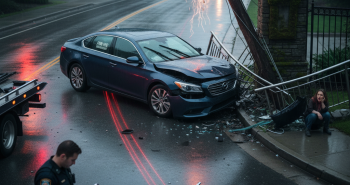
Sideswipe collisions occur when two vehicles traveling parallel make contact along their sides. Single vehicle collisions involve only one car, truck, or motorcycle hitting a fixed object or leaving the roadway. Multi vehicle collisions involve three or more vehicles and often start with a single impact that triggers a chain reaction.
These patterns are not just labels. They influence how police reports are written, what kind of physical evidence we look for, and what arguments insurers try to make when they decide whether to pay or deny a claim. Understanding how these colliding objects interact helps clarify the conservation of momentum in each case, which is crucial for legal responsibility.
Legal responsibility by collision type
Legal responsibility, or liability, usually comes down to negligence. In simple terms, who failed to use reasonable care on the road. The type of collision gives strong clues about which driver likely made that mistake.
With a rear end crash, we often start with the presumption that the trailing driver was following too closely or not paying attention. In a T bone crash at an intersection, we look at who had the right of way, which traffic signal was green, and who ignored a stop sign. In head on collisions, we ask who crossed the center line or drove the wrong way.
Lawyers and insurers also look at factors like speeding, distraction, intoxication, and weather conditions. In states that follow comparative negligence rules, each driver can share a percentage of fault. Even then, the structure of the collision usually sets the baseline, and specific evidence adjusts the percentages.
When we review a potential claim, we match the collision type with the known facts. This helps us quickly estimate whether the other driver is likely to be found at fault and whether you may qualify for a not at fault collision claim.
Rear end collisions and legal responsibility
Rear end crashes are one of the most frequent types of collisions and they often create strong personal injury claims for the person in the front vehicle. Traffic laws in most states require drivers to maintain a safe following distance and to keep enough space to stop safely, even if the vehicle in front brakes suddenly.
This is why the rear driver is usually presumed to be at fault. They may have been texting, speeding, tailgating, or simply not watching the road. There are exceptions, such as when a front driver reverses unexpectedly or cuts in and slams on the brakes, but insurers must prove those unusual facts.
Rear end collisions commonly lead to neck, back, and shoulder injuries. Many people underestimate the impact at first and later discover persistent pain. If you are wondering how serious these cases can be, you can review our resources on rear end collision, average rear end collision settlement, and real rear end collision settlement examples.
We also see many questions about recovery time and claim length. Our guides on how long does a rear-end collision settlement take and how long does back pain last after a rear end collision can give you realistic expectations. When a case looks viable, Legal Claim Assistant can connect you with a dedicated rear end collision attorney who understands these patterns and knows how to push back against low offers.
T bone and intersection collisions
T bone or side impact collisions usually happen in intersections when one driver fails to yield the right of way. Common scenarios include running a red light, rolling through a stop sign, turning left in front of oncoming traffic, or misjudging another vehicle’s speed.
Because the side of a vehicle offers less protection than the front or rear, T bone crashes often cause significant injuries, even at moderate speeds. We often see fractures, head injuries, and internal injuries, especially on the side of impact. Passengers are at particular risk because they are closer to the point of contact and have less structural protection.
Legal responsibility in these collisions usually focuses on traffic controls. We look at signal timing data, skid marks, dashcam footage, and witness statements to determine who violated the rule of the road. Traffic camera evidence can be especially persuasive if it shows a driver clearly entering the intersection on a red or ignoring a stop sign.
In many intersection claims, each driver initially insists the light was green for them. That is why gathering evidence quickly after a T bone collision can be critical. When you contact us early, we help the lawyer we match you with look for video, 911 calls, and other proof before it disappears.
Head on and multi vehicle collisions
Head on collisions are among the most dangerous types of collisions because the forces involved are combined. Even at city speeds, occupants can suffer life changing injuries. These events often involve a driver drifting over the center line, entering the wrong lane, or traveling the wrong way on a highway.
Fault in a head on crash typically focuses on which driver left their lane. Causes can include distraction, fatigue, alcohol or drug use, or unsafe passing on two lane roads. Because the injuries are often severe, these cases tend to involve higher policy limits and stronger scrutiny from insurers. If you or a loved one has been involved in this type of crash, a focused head on collision lawyer can be vital for protecting your rights.
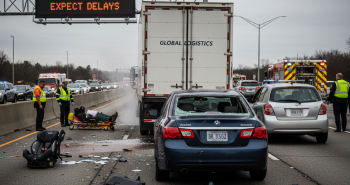
Multi vehicle collisions, such as chain reaction pileups, add another layer of complexity. An initial rear end impact may push one car into another, which then hits additional vehicles. In these cases, several drivers may share fault. We look closely at who started the sequence, whether each following driver was at a safe distance, and whether any driver’s actions broke the chain of events.
In both head on and multi vehicle crashes, there can be multiple insurance companies, confusing statements, and competing versions of what happened. Legal Claim Assistant helps organize these moving pieces so the attorney can build a clear narrative of liability.
In what types of weather do most collisions occur
Weather is a major factor in how often and how severely collisions occur. Many people assume that the worst crashes happen mainly in heavy snow or ice. In reality, traffic safety data shows that most collisions happen in relatively normal conditions, often in clear weather and on dry roads, simply because that is when most cars are on the road.
That said, certain dangerous conditions do raise risk. Rain can create slick surfaces and reduce visibility, especially in the first minutes of a storm when oil on the road mixes with water. Fog and glare can limit what drivers see in time to react. Snow and ice significantly increase stopping distances, and drivers who fail to slow down in those conditions can be found negligent.
In legal terms, the presence of bad weather does not excuse careless driving. Drivers are expected to adjust their speed, increase following distance, and use headlights and wipers properly. If the other driver was traveling at normal dry road speeds on a wet or icy surface, that can support your claim that they failed to use reasonable care.
No Win, No Fee. Let the Best Motor Vehicle Accident Attorneys Fight for your Compensation!
What types of motor vehicle collisions present the greatest potential
From a personal safety perspective, head on collisions and high speed T bone crashes often present the greatest potential for catastrophic injury or death. The combination of speed, angle of impact, and limited structural protection on the side of vehicles makes them especially dangerous.
From a legal claim perspective, collisions that clearly show another driver ignored a basic traffic rule can create strong cases. Examples include being hit from behind while stopped, being struck in the side by a driver who ran a red light, or being hit head on by a driver who crossed into oncoming traffic. These patterns usually limit the defenses an insurance company can raise.
Truck collisions also present high risk because of the sheer difference in weight between a commercial truck and a passenger vehicle. When a truck driver or trucking company violates safety rules such as hours of service limits or maintenance requirements, injuries can be severe and liability can be significant. In those situations, a specialized truck collision attorney is often necessary to uncover all responsible parties.
We also consider the presence of multiple injured parties, whether there is uninsured or underinsured motorist coverage, and whether the injuries require long term care. These factors, combined with the collision type, affect both the potential value and complexity of a claim.
The same impact can mean very different claim outcomes depending on who is at fault, how clearly that fault can be proven, and what insurance coverage is available.
Real intake based case studies
To make this more concrete, we can look at patterns from real intakes we see, while protecting privacy and changing details.
In one case, a passenger was riding in a friend’s car that was stopped at a red light. A distracted driver looked down at their phone and caused a rear end collision at city speed. The passenger felt sore but did seek medical care within a few days, then needed physical therapy for several weeks. Because fault was clear and treatment was documented, the passenger qualified for a not at fault claim for medical bills, wage loss, and pain and suffering.
In another example, a driver entered an intersection on a green light when another vehicle ran the cross street red and struck their driver side door. Several witnesses confirmed that the injured driver had the green. The client had fractures and could not return to work for months. Here, the T bone pattern combined with strong witness evidence helped the attorney secure a meaningful settlement that reflected both current and future losses.
We also see complex multi vehicle accidents on highways. For instance, a sudden stop in traffic can cause a chain reaction where several vehicles collide. A cautious driver might still get pushed into another car because someone in the back was speeding and following too closely. In these situations, we help attorneys sort out fault allocations and pursue all available insurance policies so injured clients do not get left without coverage.
This applies to you if
This information about types of collisions and legal responsibility is especially relevant if several conditions fit your situation. You were involved in a motor vehicle accident within the last 12 months. You believe you were not at fault, or you were a passenger. You suffered real injuries or property damage and went for a medical evaluation within about two weeks of the crash.
It is also important if the collision type matches any of the patterns described above, such as a rear end, T bone, head on, or multi vehicle crash. If you have a police report, photos, or insurance information from the other driver, that can strengthen your position. Even if the other driver is uninsured, your own uninsured or underinsured motorist coverage may apply.
If you are in this group, you likely want clear answers about eligibility and next steps, not guesswork. Our guide on what to do after a car collision or more specific advice like what to do after a rear end collision can help you protect your claim while we work on connecting you with a lawyer.
Who this does not apply to
Not all interactions result in legal claims. If you were the only vehicle involved in the crash and no one else’s negligence played a role, you may have limited options for an injury claim against another driver, although other insurance benefits could still be available.
If the accident happened more than a year ago and you never reported it, never sought medical care, and have no documentation, your case may be harder to pursue, especially in states with shorter statutes of limitation. If you were fully at fault, such as intentionally ignoring traffic laws or driving while highly intoxicated, this article is less likely to match your legal needs.
This guide also does not replace personalized legal advice. Questions about coverage, like what is the difference between comprehensive and collision insurance, can matter, but they are only one piece of the puzzle. A licensed attorney in your state is the only one who can give you case specific legal guidance.
How Legal Claim Assistant connects you with the right collision lawyer
When you are dealing with injuries, appointments, and insurance calls, finding the right lawyer for your specific type of collision can feel overwhelming. Legal Claim Assistant exists to simplify that step by connecting the understanding of conservation of momentum with legal evaluations, especially in car accidents. Understanding collisions is not only fundamental in physics but also crucial in legal contexts, as collisions can lead to significant implications for liability and compensation in personal injury cases. The analysis of collisions provides critical evidence that influences the outcome of claims and settlements, helping to clarify fault and responsibility. By helping you analyze the specifics of your collision, Legal Claim Assistant supports a clearer understanding of personal injury cases arising from accidents, ensuring that you are matched with attorneys who can effectively use this information to advocate on your behalf.exists to simplify that step. We focus on matching injured people with attorneys who regularly handle the type of crash and claim you are facing, from a straightforward rear end collision to a complex multi vehicle pileup or a serious classic collision lawsuit.
We start by asking clear, targeted questions about the collision type, when it happened, your injuries, and the insurance information you have. Based on your answers, we identify a qualified car collision lawyer or auto collision law firm in our network who offers a free case review. In more specialized situations, such as severe head on or truck collisions, we match you with attorneys who focus their work on those cases.
Our role is not to replace your lawyer or control your case. Our role is to help you avoid delays and guesswork, so you do not lose valuable time or evidence. If your claim qualifies, we help you take the next step quickly so you can focus on healing while your attorney focuses on securing the compensation you may deserve.
No Win, No Fee. Let the Best Motor Vehicle Accident Attorneys Fight for your Compensation!