Classic Collision Lawsuit and When Legal Action Applies
 Fact Checked By Our Attorneys

If you were hurt in a car crash that was not your fault, a classic collision lawsuit could be your key to getting the money and justice you deserve. Don’t navigate this complex process alone take the first step now by clicking below for a free case review with an experienced attorney. Protect your rights, understand your options, and see how much compensation you may be entitled to, all at no cost or obligation to you.

No Win, No Fee. Let the Best Motor Vehicle Accident Attorneys Fight for your Compensation!
Table of Contents:

What Is a Classic Collision Lawsuit?
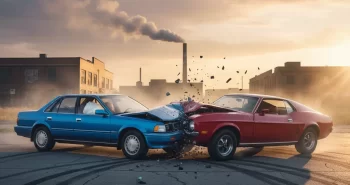
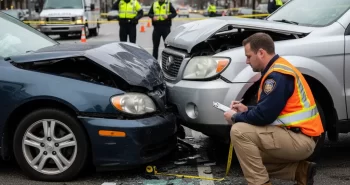
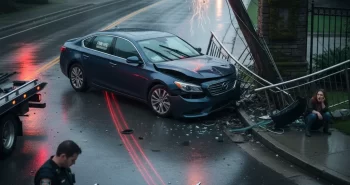
When we talk about a classic collision lawsuit, we mean a straightforward legal claim that arises from a typical motor vehicle collision where one party is clearly or mainly at fault. It often involves two vehicles, clear traffic rules, and injuries or property damage that require medical care or repair.
A classic collision lawsuit usually follows an event that meets the legal definition of a collision. If you want a refresher on how the law views a crash, you can read more about what is a collision and what does collision mean. In these cases, one driver fails to exercise reasonable care, for example by speeding, texting, running a red light, or following too closely. That failure causes the crash and the resulting injuries.
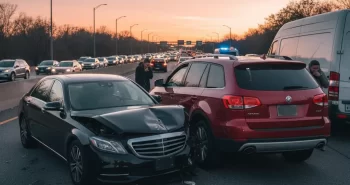
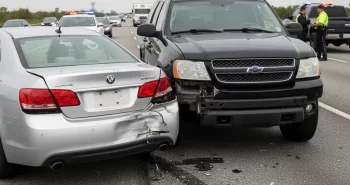
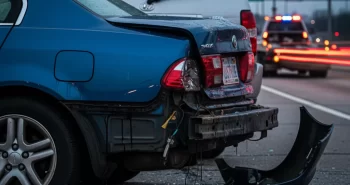
In many classic cases, fault is connected to familiar patterns. Rear end crashes, for example, happen when one driver is following too closely or not paying attention. You can see more examples of these events in our guide to rear end collision scenarios and broader types of collisions.
When an at fault driver, their insurer, or your uninsured motorist coverage will not fairly cover your losses, a classic collision lawsuit becomes the legal tool to demand that compensation. This suit may involve the defendant, who is the person or business responsible for the crash and damages. In some cases, the defendant could be a business entity such as Classic Collision LLC or Classic Collision Corporate Services, especially if the collision involved a company vehicle or employee.
In certain lawsuits, the classic collision llc defendant may be named directly in court filings when evidence suggests responsibility for unsafe repairs, negligent service, or vehicle-related damages connected to the collision.
Consumers have important rights throughout the repair process. For example, you have the right to receive a written estimate before any repairs are made, and you can choose where your vehicle is repaired—even if your insurance company has a preferred shop. If you feel your rights have been violated during the repair process, you can file complaints with state insurance regulators, typically through the state’s Department of Insurance. Keeping detailed documentation of the repair process and all communications with the repair shop and insurance company is crucial, especially if you need to file a complaint. If you feel unsafe in your repaired vehicle, seeking a second opinion from an independent appraiser is advisable. Should you be unsatisfied with the repair shop’s response, you can escalate your complaint to the Better Business Bureau.
Classic Collision LLC has been the defendant in notable legal cases, such as Ormond v. Classic Collision LLC in the North Carolina Western District Court. Additionally, Ricardo Gallardo filed a case against Classic Collision Corporate Services, Inc. regarding a proposed settlement. Classic Collision has also filed complaints with the Georgia Insurance Commissioner against independent appraisers, claiming unauthorized adjuster activities. However, the Insurance Commissioner found no evidence of fraud against appraisers who criticized Classic Collision’s work. The company has faced accusations of delivering unsafe repairs and cutting corners to save costs, leading to customer safety concerns and dissatisfaction due to repair delays. Despite these criticisms, Classic Collision maintains that their repairs are ‘within industry standards’ and has offered to replace parts after quality concerns were raised.
Common Injuries and Damages in Collisions
Most people who consider a classic collision lawsuit have real, documented injuries and financial losses. They have seen a doctor within days of the crash, often within the first two weeks, and many need follow up treatment.
Common injuries include neck and back strains, herniated discs, concussions, fractures, and soft tissue damage. In rear end crashes, for example, lingering pain is frequent. We explore that in more detail in our article on how long does back pain last after a rear end collision.
In a lawsuit, we usually look at two main categories of damages.
The first is economic damages. These are the measurable costs, such as emergency care, follow up visits, physical therapy, prescription medications, lost wages, reduced ability to work, towing, and car repair or replacement. Sometimes, the plaintiff might also need a rental vehicle while their car is being fixed by the assigned technician at the repair shop.
The second is non economic damages. These cover pain and suffering, emotional distress, loss of enjoyment of life, and how the injuries affect your relationships and daily routine. Even if the bills are paid by health insurance, these non economic losses can still be significant and are a central part of many classic collision lawsuits.
When Legal Action Is Necessary
Not every car collision leads to a lawsuit. Many minor crashes with no injuries resolve through basic insurance claims. Legal action becomes more likely when one or more of the following apply.
You had real injuries that needed medical care within days of the crash, and you are still in treatment or dealing with symptoms. Your lost income and medical bills are starting to add up. The insurance company, such as State Farm or others, denies your claim, delays without clear answers, or offers a settlement that does not come close to covering your losses.
Legal action also becomes necessary when liability is disputed. For example, the at fault driver claims you share most of the blame, or the insurer suggests that a prior condition, not the crash, caused your pain. In these cases, a lawsuit is often the only way to secure an independent evaluation of the facts and your injuries.
If you were a passenger, or you were clearly not at fault, you should not be left paying the price of someone else’s negligence. A lawsuit is designed to shift that burden back to the responsible party and their insurer.
These lawsuits often arise when the insurance settlement offer is too low or liability is disputed, necessitating court intervention to prove negligence. The plaintiff must prove that the defendant owed a duty of care, breached that duty, and caused the collision. Lawsuits typically seek economic damages, including past and future medical bills and lost wages, as well as non-economic damages such as pain and suffering and emotional distress.
In some cases, the complaint filed with the court may include a jury demand so that the dispute can be decided by a jury rather than a judge alone.
You must file the lawsuit within a specific timeframe—often two years in many states—or your case may be dismissed. The lawsuit must be filed in the correct court, usually where the accident occurred or where the defendant resides. Comparative fault rules, which vary by state, may reduce or bar compensation if the plaintiff is partially at fault. For example, Louisiana’s 51% fault cutoff, effective January 1, 2026, bars recovery if the plaintiff is 51% or more at fault. Similarly, starting January 1, 2026, New Jersey increased its mandatory minimum bodily injury liability to $35,000 per person. California law in 2026 bars estates from recovering noneconomic survival damages for a decedent, allowing only economic damages.
Gathering Evidence for a Classic Collision Lawsuit
Every strong classic collision lawsuit rests on evidence. We work with attorneys who first want to understand how the crash happened and how it changed your life.
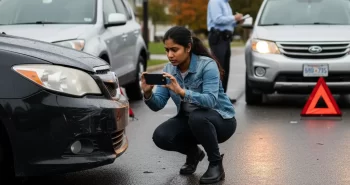
Key evidence often includes the police report, photographs or video from the scene, witness statements, and any available dashcam or security footage. If you are still within a short time of the crash, our guide on what to do after a car collision can help you think through what to save or document.
Medical records and bills are equally important. They show the timing of your first visit, the diagnosis, the treatment plan, and your prognosis. Insurers often focus on gaps in care. That is why your early visit, usually within the first two weeks, matters so much.
For specific crash types, like rear end collisions, there may also be specialized evidence, such as damage patterns, repair estimates, or expert opinions. Our resources on rear end collision settlement examples show how these details can affect the value of a case.
Documentation of the repair process is also critical. Consumers should request detailed records of the repairs performed on their vehicle and keep all communications with the repair shop and insurance company. This documentation can be vital if you need to file a complaint or take legal action.
In situations where multiple customers report similar repair issues or safety concerns, attorneys may investigate whether a class action lawsuit is appropriate.
Case Studies From Real Collisions
To make the idea of a classic collision lawsuit more concrete, it helps to look at the kinds of cases attorneys see every day. These are simplified examples, not promises of any outcome, but they show how facts and injuries interact.
In a typical rear end crash at a stoplight, a driver is hit from behind by a vehicle that was looking at a phone instead of the road. The injured driver goes to urgent care the same day, is diagnosed with whiplash, and later learns about a herniated disc. Their attorney uses medical records, the police report that cites the other driver, and vehicle photos to pursue a claim. The outcome may resemble the patterns described in our article on the average rear end collision settlement.
In a head on crash, the stakes are usually higher. For example, a driver traveling within the speed limit is struck by a vehicle that crossed the center line. The injuries involve broken bones, surgery, and months off work. A head on collision lawyer will often bring in crash reconstruction experts to show how the impact occurred. Our article on head on collision explains why these cases can involve more complex evidence and higher damages.
Truck collisions are another common pattern. A truck collision attorney might examine driver logs, maintenance records, and company policies to uncover violations that support the lawsuit. Each of these examples fits within the broad category of classic collision lawsuits, because they all involve clear fault and measurable harm.
No Win, No Fee. Let the Best Motor Vehicle Accident Attorneys Fight for your Compensation!
Understanding the Insurance Process
Before or during a classic collision lawsuit, we almost always deal with insurance. That might be the at fault driver’s liability coverage or your own policy, including uninsured or underinsured motorist coverage if the other driver has low limits or no insurance at all.
Most cases start as insurance claims. When they are handled fairly, a lawsuit may never be necessary. However, insurers are profit driven and often look for ways to minimize payouts. They may argue that you were partly to blame, that your injuries are not serious, or that you waited too long to get care.
Understanding your auto policy also helps. Many people only learn the difference between coverage types after a crash. If you are unsure how your policy works, you can review what is the difference between comprehensive and collision insurance. Collision coverage is usually about repairing or replacing your car after an impact. Liability coverage focuses on paying others for injuries and damage you cause.
If negotiations with insurance stall or fail, a car collision lawyer or an auto collision law firm may advise filing a lawsuit to preserve your rights before legal deadlines expire.
Insurance companies increasingly use AI and data analytics to flag unreasonable medical costs, making consistent medical records critical. Also, be cautious about social media posts during recovery, as insurers may monitor these and use them against your claim.
Timeline for a Classic Collision Lawsuit
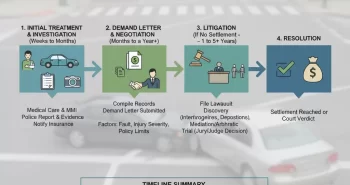
No two cases follow the exact same timeline, but most classic collision lawsuits move through similar stages. There is the immediate aftermath of the crash, where you seek medical care, notify insurers, and follow basic steps like those in our guide to what to do after a rear end collision or broader what to do after a car collision.
Next comes the investigation and treatment period. While you follow your doctor’s plan, the legal team gathers records, reviews liability, and communicates with insurers. This phase can last several months. Sometimes it is wise to wait until your condition stabilizes before valuing the claim.
If a fair settlement is not reached, the attorney may file a lawsuit. This starts formal litigation, including written questions, document exchange, and possibly depositions. Depending on the court and the complexity of the case, this stage can take many months. Our article on how long does a rear-end collision settlement take provides useful context for the range of timelines clients often see, even when a case settles before trial.
Most classic collision lawsuits end with a negotiated settlement. A small share go all the way to trial. Throughout, your lawyer should explain what to expect, so you can plan around treatment, work, and family needs.
Assessing Potential Compensation
Estimating the value of a classic collision lawsuit is not a simple formula. We look at several factors together. Medical expenses, both past and expected future costs, are central. Lost wages, reduced earning capacity, and out of pocket costs also matter, especially when your injuries keep you from returning to your prior role.
We also consider the severity and duration of your pain, emotional distress, sleep issues, loss of enjoyment of daily activities, and the impact on your family relationships. In some cases, permanent disabilities or scarring significantly increase the value of non economic damages.
Liability facts can affect the outcome as well. If fault is clear, for example in a typical not at fault rear end crash, you may be in a stronger position than in a case where both drivers share some blame. Our resource on not at fault collision claim explains how fault and coverage work together.
Finally, policy limits often set a practical ceiling. If the at fault driver has low coverage and few assets, your own uninsured or underinsured motorist coverage may become a key source of recovery.
A careful attorney will not promise a number on day one. Instead, they will review your records, listen to your story, and then explain a realistic range based on cases with similar injuries and facts.
Common Mistakes to Avoid
After a collision, small decisions can have a large effect on a future lawsuit. We see the same preventable mistakes again and again.
Some people delay medical care, hoping their pain will fade. Insurers then argue that if you were really hurt, you would have seen a doctor right away. Others give recorded statements to the at fault driver’s insurer without advice. Casual comments taken out of context can reduce or undermine a claim.
Posting about the crash or your activities on social media can also backfire. Images of you trying to resume normal life, even brief moments, may be used to suggest that your injuries are minor. Finally, some victims accept the first settlement offer simply because the process feels stressful, only to find that it does not cover later treatment or lost income.
Working with an experienced rear end collision attorney, head on collision lawyer, or other specialist early in the process can help you avoid these missteps and protect the value of your claim.
How Legal Claim Assistant Can Help You
At Legal Claim Assistant, we focus on one core question. Do you qualify for compensation after your collision, and if so, what are your legal options.
We listen to your story, review key details like when the crash happened (the exact date), how soon you received medical care, and what police or insurance information you have. Then we help you understand whether a classic collision lawsuit or an insurance claim is likely to be the right path.
If legal action makes sense, we connect you with a qualified car collision lawyer or the appropriate specialist, for example a truck collision attorney or auto collision law firm, for a free case review. You can ask questions, get clear next steps, and decide whether to move forward. There is no obligation.
If you were injured in a collision within the last year, were not at fault or were a passenger, and received medical care within the first weeks, you may have a valid claim. Reach out to us so we can explore your options together and help you take the next confident step.
Throughout the process, it is important to feel safe and supported. Many customers find comfort knowing that their case is being handled by experienced employees who take responsibility on behalf of the client. Whether you need to contact the manager of a repair shop, file a complaint, or make a request for documents, timely responses to calls, mail, or emails should be addressed promptly. Delays or being literally unable to retrieve information can be frustrating, but at the right point, legal motions or requests can help move the case forward.
For example, some clients report issues with repair chains where a bumper or other parts were not replaced as supposed. In one case, a customer contacted the clerk of the court in July after being served notice that their motion was scheduled for a Monday hearing in October. These details underscore the importance of keeping track of dates and maintaining communication throughout the legal and repair process.
No Win, No Fee. Let the Best Motor Vehicle Accident Attorneys Fight for your Compensation!