Head On Collision Explained and When It Becomes a Legal Claim
 Fact Checked By Our Attorneys

If you or a loved one has been involved in a head on collision, don’t navigate the pain, medical bills, and insurance confusion alone. Understanding when a head on crash becomes a legal claim is crucial to securing the compensation you deserve. Get the expert help you need now connect with an experienced head on collision lawyer for a free case review and take the first step toward protecting your legal rights today.

No Win, No Fee. Let the Best Motor Vehicle Accident Attorneys Fight for your Compensation!
Table of Contents:

What is a head on collision
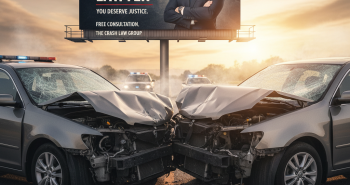
A head on collision happens when the front ends of two vehicles collide head on while traveling toward one another in opposite directions collide. It is one of the most violent types of collisions because the forces of both vehicles combine. The combined speeds of two vehicles in a head-on collision create a high-energy impact that can lead to severe damage and serious injuries.
In everyday terms, if you imagine two cars traveling in opposite directions that end up nose to nose in a crash, that is a classic head on collision. These car wrecks can occur between:
- Two passenger cars
- A car and a pickup or SUV
- A car and a large truck or bus
Compared to other crash types like a rear end collision, head on impacts usually involve higher forces on the human body, which is why the injuries and legal stakes are often more serious. If you want a broader overview of crash definitions, our guide on what is a collision and what does collision mean can provide more context.
How head on collisions typically occur
Head on collisions rarely happen by chance. They usually result from one driver leaving their proper lane and entering the path of oncoming traffic. A head on collision can occur when a vehicle crosses the centerline due to speeding, distraction, intoxication, or improper passing on narrow roads. Distracted driving, such as texting or eating, is a common cause of head-on collisions. Driving under the influence of alcohol or drugs impairs a driver’s judgment and can lead to head-on collisions. Fatigue can cause drivers to drift into oncoming traffic, increasing the risk of head-on collisions.
Turning the wrong way onto a one-way street or freeway ramp can quickly put a vehicle face to face with oncoming cars. Running red lights or entering one-way streets in the wrong direction may lead to head-on collisions. On rural roads with no median, even a brief drift over the center line can cause a devastating impact. Head-on collisions often involve lane departure where one driver leaves their designated lane and hits another head-on. Improper passing on two-lane roads can lead to head-on collisions when drivers do not ensure sufficient space and visibility.
Poor road conditions, hazardous weather, poor visibility, or missing traffic signals can also contribute, but in most cases, a preventable driving error is at the heart of these head on accidents. Slippery roads or poor visibility can cause loss of control and lane departure, contributing to head-on collisions. Environmental factors, such as poor road conditions and insufficient signage, can lead to head-on collisions. Mechanical failures, such as a blown tire, can result in a driver losing control and crossing into the opposite lane.
At what speed is a head on collision fatal
There is no single speed that guarantees a fatal head on collision, because survivability depends on many factors, including vehicle size, safety features, seat belt use, and the exact angle of impact. However, physics tells us that risk of fatal crashes and severe injuries rises steeply as speed increases.
If two similar vehicles cars traveling at 40 mph hit head on, the effect on the occupants is comparable to one car striking a solid wall at around 40 mph. As speeds climb into the 50 to 60 mph range, the forces on the human body often exceed what the body can tolerate, even with airbags and seat belts.
Even at lower speeds, older adults, children, and people with pre-existing health conditions can suffer life-threatening injuries such as internal bleeding, head injuries, or damage to the spine and skull. The sudden deceleration during a head-on collision can cause internal organs to shift, tear, or rupture, leading to life-threatening internal bleeding. The force of a head-on collision can cause broken ribs, which may lead to punctured lungs or internal bleeding. Whiplash is a common injury in head-on collisions, resulting from the head and neck moving forward while the body remains restrained. From a legal perspective, what matters is not just the speed, but the severity of your injuries, the medical attention you required, and how the crash has changed your daily life.
Injuries commonly seen in head on collisions
Because a head on collision focuses force toward the front of the vehicle, the torso, head, neck, and legs often take the most damage. Injuries can range from painful but temporary to permanently disabling.
We often see patterns such as chest trauma from seat belts, including bruising, fractured ribs, or damage to internal organs. Airbags can save lives, yet still cause facial injuries, burns, or eye irritation. The violent back and forth motion of the neck caused by sudden deceleration can produce severe whiplash, herniated disc injuries, or spinal cord damage.
Lower body injuries are also common because the front of the vehicle crumples inward. Victims may suffer broken bones like fractured legs, crushed feet, knee injuries, or hip fractures. In the most serious collisions, traumatic brain injuries, spinal injuries, paralysis, and multiple fractures can occur. Traumatic brain injuries (TBIs) can range from concussions to severe brain damage and may have long-term effects on a person’s health. Many victims of head-on collisions may experience long-term complications, including chronic pain and mobility issues. Our experience with other collision types, including how long does back pain last after a rear end collision, shows that even “invisible” injuries like soft tissue damage or a tear can linger and justify significant compensation.
Legal responsibility in a head on collision
Legally, a head on collision often comes down to who left their lane or violated the rules of the road. In most cases, the driver who crosses the center line, drives the wrong way, or turns into oncoming traffic is primarily responsible.
Police reports, skid marks, vehicle damage patterns, and witness statements all help reconstruct what happened. Sometimes more than one party shares fault. For example, one driver may be speeding while the other driver is distracted and drifting. In other situations, a government agency or contractor may bear partial responsibility if poor road design or missing signage contributed to the crash.
If you were a passenger, a pedestrian, or a driver who stayed in your lane and followed the rules, you may have a strong not at fault collision claim. Even if the at fault driver was uninsured or underinsured, your own policy may provide coverage through uninsured or underinsured motorist benefits. Sorting out these layers is where an experienced car collision lawyer or truck collision attorney becomes critical.
What is the average settlement for a head on collision
There is no single “average” settlement for a head on collision, just as there is no universal average rear end collision settlement. Payouts vary widely based on injury severity, length of treatment, long term effects, and available insurance coverage.
Settlement discussions usually account for several categories of loss. Economic damages can include emergency care, hospital stays, surgery, follow up visits, physical therapy, and future medical needs. They also include lost wages and reduced earning capacity if you cannot return to your former job.
Non economic damages cover pain and suffering, emotional distress, including post traumatic stress disorder, and loss of enjoyment of life. Symptoms of PTSD after a head-on vehicle accident can include reliving the crash and avoiding driving. Recovery from PTSD after a car accident can take weeks or months, and if untreated, symptoms can last for years. Many people experience emotional trauma after a head-on collision, which can affect their daily lives and mental health. The emotional toll of a head-on collision can lead to long-term mental health issues for victims. Examples from rear end collision settlement examples illustrate how two crashes with similar property damage can lead to very different outcomes depending on the medical evidence. Head-on collisions can lead to significant property damage, often totaling the vehicles involved.
How long a case takes can depend on treatment length and negotiation strategy, similar to what we see in how long does a rear-end collision settlement take. The key point is that you do not have to guess. A qualified auto collision law firm can review your records and provide a tailored estimate.
How much is a fatal head on collision worth
When a head on collision leads to a wrongful death claim, the legal and emotional stakes are significantly higher. No amount of money replaces a life, but the law allows surviving family members to seek compensation for both financial and personal losses.
Financial damages can include final medical bills, funeral and burial costs, and the future income and benefits the deceased would likely have provided. Families may also recover for loss of companionship, guidance, and emotional support. In particularly egregious cases, punitive damages may be available to punish reckless driving or other reckless conduct, such as extreme impaired driving.
These cases tend to involve higher claim values than non fatal collisions, but they are also more complex. Insurance companies often mount aggressive defenses to limit their exposure. We strongly recommend that families facing a fatal head on collision work with a lawyer who has specific experience in catastrophic and wrongful death litigation, rather than handling it alone or treating it as a routine classic collision lawsuit.
No Win, No Fee. Let the Best Motor Vehicle Accident Attorneys Fight for your Compensation!
What can you do to avoid a possible head on collision
Although not every head on collision is avoidable, certain preventive measures can reduce your risk and may also support your legal position if a crash still occurs. Defensive driving plays a major role.
We encourage drivers to stay centered in their lane, avoid tailgating, and scan several seconds ahead for drifting vehicles or unusual movement. Drivers should scan the road 12 seconds ahead for hazards to avoid deadly head-on collisions. On two lane roads, be extra cautious near curves and hills where visibility is limited. If you see an oncoming car drifting toward your lane, slow down, sound your horn, and move to the right as safely as possible. Maintaining a slight right-of-center lane position can help prevent head-on collisions. Drivers should reduce speed if an oncoming vehicle drifts toward their lane to avoid head-on collisions.
Avoid distractions such as texting, eating, or adjusting controls while moving. Using proper turn signals is an important defensive driving technique to inform other drivers of intentions. Never drive while impaired by alcohol, drugs, or extreme fatigue. Maintaining vehicle condition, including clear headlights, clean windshields, and properly maintained tires, is essential for safety. The 3–6 second rule helps ensure adequate time to react if the car ahead swerves or stops suddenly. Maintaining a safe following distance using the 3/6 second rule allows for proper reaction time and can prevent head-on collisions.
The Four R’s are a strategy to avoid head-on collisions: Read the road, Drive to the right, Reduce speed, and Ride off the road if necessary. Steering toward the right shoulder or ditch is recommended if avoiding a collision, as swerving left may lead to further danger. In case of an imminent collision, alerting the other driver by flashing headlights and honking the horn is advised. If a collision is unavoidable, riding off the road into a ditch or soft object is safer than a direct head-on impact. Bracing for impact by keeping the back against the seat and head against the headrest can help during a collision.
Real intake based case studies
At Legal Claim Assistant, we regularly hear from people involved in serious head on collisions. While we protect privacy and change details, the patterns are instructive.
One person was a passenger in a compact car that was hit head on by a pickup truck that crossed the center line after the driver fell asleep. The passenger suffered multiple broken bones and needed several surgeries. Initial insurance offers focused only on the first few months of treatment. After connecting the caller with a head on collision lawyer, the legal team documented future medical needs and lost earning capacity, which significantly increased the final settlement.
In another intake, a family contacted us after a wrong way driver on a highway caused a multi vehicle head on collision involving a commercial truck. Liability questions arose about the trucking company and roadway signage. The attorney we connected them with brought in accident reconstruction experts and obtained dash cam footage that helped establish how the crash unfolded. These kinds of details often make the difference between a minimal payout and a result that truly reflects the harm suffered.
This applies to you if
This information is most relevant if you were involved in a head on collision within the last year and were not primarily at fault. It also applies if you were a passenger, because passengers almost never bear legal responsibility for how a vehicle is driven.
You will be in the right place if you sought medical care within about two weeks of the crash, required follow up treatment, and now face ongoing pain, limitations, or financial stress. Having a police report, insurance information for the at fault driver, or your own uninsured motorist coverage is helpful, but not strictly required for us to start exploring your options.
If you want to understand whether your case qualifies for compensation, learn how fault might be assigned, or get a realistic sense of settlement value, we can help you take the next step without upfront cost.
Who this does not apply to
This guide is not meant for minor fender benders with no injuries or for people who are already represented by an attorney in the same matter. It also does not replace legal advice for crashes that occurred long ago, since strict time limits can affect what is possible.
If you were primarily at fault in the head on collision, your rights may be different, depending on your state’s negligence laws and your own coverage. In that situation, a direct conversation with a local attorney is still worthwhile, but the issues may include premium increases or coverage disputes rather than an injury claim against another driver.
Finally, nothing here is intended as advice about property damage only claims, insurance shopping, or choosing between coverage types such as what is the difference between comprehensive and collision insurance. Our focus is on serious injury and wrongful death claims after a crash.
How Legal Claim Assistant connects you with the right collision lawyer
Legal Claim Assistant is not a law firm. We are a service that helps injured people quickly understand whether they may have a viable claim and then connects them with an appropriate attorney, such as a rear end collision attorney, truck collision attorney, or dedicated head on collision lawyer, depending on the facts.
When you reach out to us, we ask focused questions about how the crash happened, what medical care you received, your current symptoms, and any insurance information you have. This brief intake helps us identify law firms in our network that handle your specific kind of case, whether it involves a car, truck, or other types of collisions.
You then have the opportunity to speak with an attorney for a free consultation case review. They can explain your legal rights, potential claim value, and next steps before you decide whether to move forward. If your case is a good fit, most injury lawyers work on a contingency fee, which means you do not pay legal fees unless they recover money for you. Our role is to make it easier, faster, and less overwhelming to get the qualified legal help you need after a serious head on collision.
What to do immediately after a head on collision
Immediately after a head-on collision, check yourself and your passengers for injuries and call 911 for emergency medical services if anyone is seriously injured. If it is safe to do so, move your vehicle to the side of the road to avoid further collisions after a head-on collision. Document the accident scene by taking photos of evidence after a head-on collision. Obtain the contact and insurance information of anyone else involved in the incident. File a police report to officially document the accident as required by law after a head-on collision.
Collecting ample evidence after a head-on collision ensures that you receive fair compensation and strengthens your case if you choose to file a lawsuit later on. Call 911 to have law enforcement officers conduct an investigation into the head-on collision as soon as possible. Filing an insurance claim for the accident is a necessary step after a head-on collision. If the other driver is at fault, their insurance will have to pay for your damages. If you cannot agree on a settlement with the insurance company, you may have to file a lawsuit after a head-on collision.
Why legal representation matters
Having a skilled car accident attorney increases the chances of securing maximum compensation for injuries. Legal representation can help victims of head-on collisions pursue compensation for medical expenses and lost wages. Attorneys can gather evidence and documentation to prove the responsible party was at fault in a head-on collision case. Attorneys can help negotiate settlements with insurance companies on behalf of clients involved in head-on collisions. Victims of head-on collisions may need to file a lawsuit if insurance claims are denied or inadequate. Contacting an experienced head-on collision attorney is essential to protect your legal rights and pursue fair compensation for your injuries and damages.
No Win, No Fee. Let the Best Motor Vehicle Accident Attorneys Fight for your Compensation!