Rear End Collision Settlement Examples and Timelines
 Fact Checked By Our Attorneys
If you were hurt in a rear end collision, understanding your potential settlement is crucial. Discover real rear end collision settlement examples and learn how much compensation you might recover. Don’t guess about your rights or the value of your claim get a free case review with a qualified rear end collision lawyer or personal injury attorney today and take the first step toward fair compensation.

No Win, No Fee. Let the Best Motor Vehicle Accident Attorneys Fight for your Compensation!
Table of Contents:

What Is a Rear End Collision
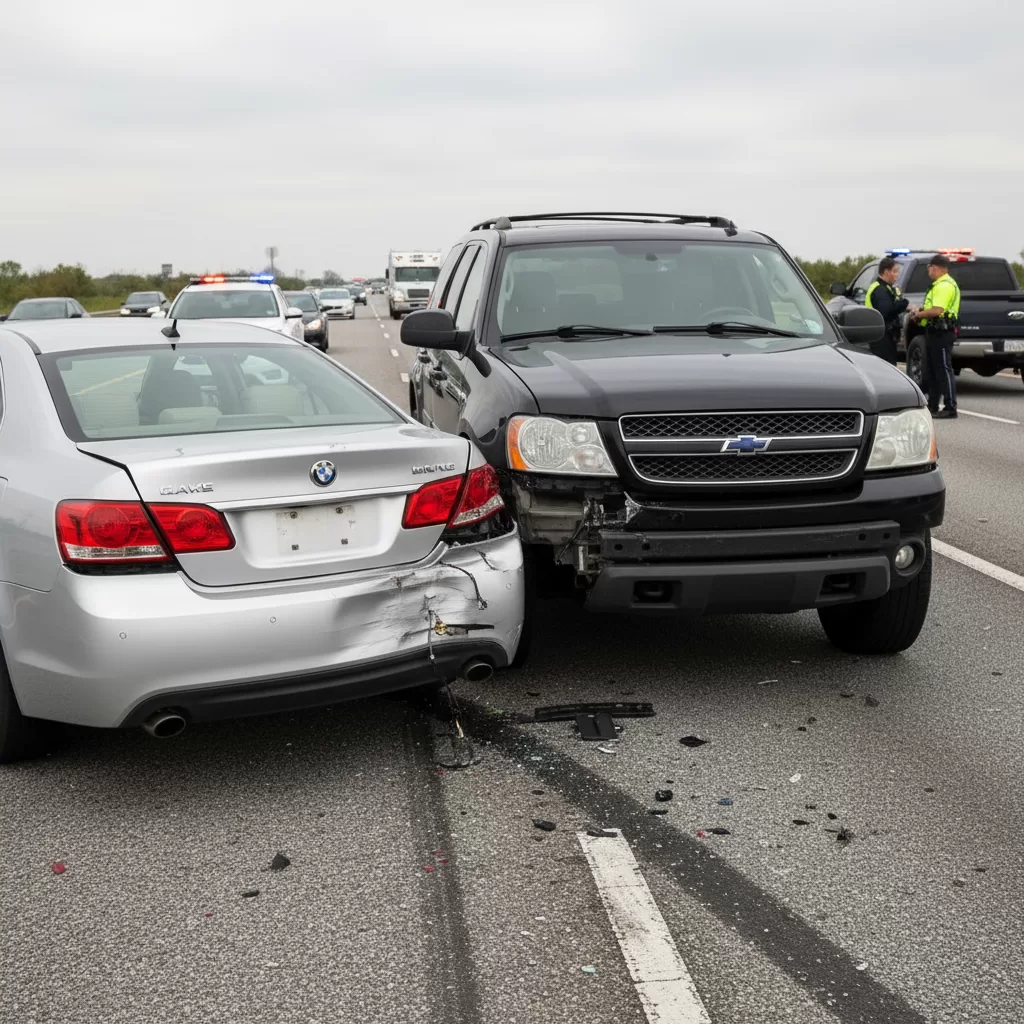
A rear end collision happens when one vehicle hits the back of another. It is one of the most common types of collisions on the road and is often treated as a clear case of the rear driver being at fault. Even so, the details matter in determining fault.
In most rear-end collisions, the rear driver is presumed at fault because they are responsible for maintaining a safe following distance. However, comparative negligence rules can sometimes reduce compensation if the front driver was reckless or contributed to the crash. Evidence such as police reports, witness statements, and traffic laws play a critical role in determining fault in a rear end collision.
If you are unsure about terminology, you can review what a rear end collision is and also what a general car collision means under insurance and injury laws. Rear end cases can range from low speed bumper taps to high speed crashes that cause permanent disability. The severity of impact and the injuries sustained will drive both your treatment and your settlement value.
The average payout for a rear-end collision in the U.S. ranges from $15,000 to $30,000 when injuries are involved. For minor injuries like soft tissue damage, payouts may fall closer to $5,000 to $10,000. More severe cases involving long-term medical care or permanent disability can exceed $100,000. Settlement amounts for rear-end collisions can vary widely, ranging from a few thousand dollars to hundreds of thousands of dollars, depending on the severity of injuries and property damage.
In Texas, the average payout for a rear-end collision ranges from $2,000 to $1,000,000 and more, depending on the circumstances of the accident. The average settlement for a rear-end fender bender in Texas is $2,000 to $10,000, while the average settlement for a moderate rear-end collision in Texas is $15,000 to $50,000. Severe rear-end collisions in Texas often result in settlements of $100,000 to $500,000 or more.
Rear-end collisions often lead to severe injuries such as whiplash, back trauma, and head injuries, which can result in costly medical expenses, lost income, and long-term pain and suffering. Severe or catastrophic injuries frequently lead to settlements exceeding $100,000 and can sometimes reach over $1,000,000. In 2026, average settlement figures for rear-end collisions typically fall between $10,000 and $100,000 for most non-catastrophic claims.
Rear End Collision Settlement Examples
When people ask about “rear end collision settlement examples,” they are usually trying to understand a range. In practice, settlements and car accident settlements can vary widely, even for accidents that sound similar at first.
The examples below are simplified and use round numbers, but they highlight patterns personal injury lawyers see every day. Every case is unique, and these are not guarantees, but they can help you frame expectations before you talk with a personal injury lawyer.
Important: Only an attorney who reviews your police report, medical records, and insurance limits can give you a realistic value range for your specific case.
Minor Rear-End Collision Settlement Example
In a minor rear end collision, you might see a low speed impact, light vehicle damage, and minor injuries such as soft tissue injuries that resolve in a few weeks with conservative care.
Imagine this scenario. You are stopped at a red light and lightly tapped from behind. Your rear bumper is dented, but your car is still drivable. You feel soreness in your neck and upper back later that day, visit urgent care within 24 hours to seek medical attention, and then complete four weeks of physical therapy. No fractures, no missed work longer than a couple of days, and your symptoms mostly clear up within two months.
In a case like this, a settlement could focus on reimbursing medical bills, 1 or 2 weeks of lost wages, and a modest amount for pain and suffering. Minor accidents resulting in whiplash and a short recovery period might settle for around $15,000. This type of claim typically resolves on the lower end of the range compared to more serious rear end injuries.
Moderate Rear-End Collision Settlement Example
A moderate rear end collision often involves more force, more property damage, and longer recovery.
For example, a driver on a city street is hit at 25 to 30 mph by a vehicle that does not brake in time. The impact pushes the car into the intersection. The victim develops cervical and lumbar strain and possibly a small herniated disc. They need imaging, several months of physical therapy, and perhaps pain management injections as future medical treatment. They miss three weeks of work, then return with restrictions.
Here, a fair settlement will usually need to cover higher medical expenses, extended lost earnings, and more significant pain and suffering. Settlements for moderate rear-end collisions can range from $15,000 to $50,000, depending on the injuries sustained. If symptoms linger for a year or flare with activity, that continuing impact on daily life becomes a key part of negotiations. This kind of case often falls in a mid range of rear end accident settlement examples, especially if the medical records clearly connect the injuries to the crash.
Severe Rear-End Collision Settlement Example
Severe rear end collisions can cause life altering injuries and completely change a person’s life. These cases typically involve high speeds, highway or freeway settings, or large vehicles such as trucks.
Consider this scenario. You are stopped in traffic on the freeway and are struck from behind by an SUV traveling at high speed. Your vehicle is totaled. You suffer multiple herniated discs, a concussion, and possibly fractures. You need surgery, face many months of rehab, and cannot return to your previous job for a long period, if at all.
In severe crashes, settlement negotiations must factor in past and future medical costs, long term lost income, vocational retraining if needed, and a substantial component for pain, suffering, and loss of enjoyment of life. Severe, permanent injuries can exceed $100,000 to over $1 million. The at fault driver’s insurance policy limits and any available own underinsured motorist coverage become critical in setting a ceiling on what can realistically be collected.
Traumatic Injury Rear-End Collision Settlement Example
Some rear end collisions involving catastrophic injuries, such as spinal cord injury, traumatic brain injuries, or complex fractures that cause permanent disability, are different from typical soft tissue cases.
Imagine a rear end collision involving a tractor trailer where the impact causes a vehicle to underride, leaving the driver with a severe traumatic brain injury and partial paralysis. The victim will need lifelong care, adaptive equipment, home modifications, and continuous therapy. Family members may also have claims for loss of consortium or the loss of a normal relationship.
In traumatic injury examples, settlements can reach very high figures because the stakes are so large. Rear-end collisions involving traumatic brain injuries can result in settlements reaching $3.2 million. Life care planners and economic experts are often involved to calculate the cost of care over a lifetime. In these cases, having a skilled truck collision attorney or auto collision law firm on the case is almost always necessary to present the full scope of harm.
Factors That Affect Rear End Collision Settlement Amounts
Even when the type of accident sounds similar, settlement amounts can change based on details such as:
- Severity and duration of your injuries
- Total medical bills and projected future medical needs
- Amount of lost wages and impact on your ability to work long term
- Pain, suffering, and how your daily life has changed
- Whether you had pre existing conditions that were aggravated
- Clear proof of fault versus any shared responsibility
- Insurance policy limits and available coverage
- Quality of medical documentation and consistency of treatment
These factors are why two rear end collision settlement examples might look very different on paper. Our role is to help you understand which of these apply to your situation and to connect you with counsel who knows how to prove them.
Types of Damages in Rear End Collision Settlements
In an injury claim, “damages” means the losses you can legally recover. Rear end collision settlements often include:
Economic damages cover the financial side. This includes ambulance charges, hospital and doctor bills, therapy and rehab costs, prescription medications, medical equipment, and any out of pocket expenses such as travel to appointments. Lost wages, reduced work hours, and lost earning capacity in the future are also part of this category.
Non economic damages cover the human side. This includes physical pain, emotional and physical distress, anxiety or depression after the crash, loss of enjoyment of hobbies or family activities, and any scarring or disfigurement. Insurers often use a “multiplier method” to determine non-economic value based on economic losses. In rare cases involving extreme misconduct, punitive damages may also be available, although this is very fact specific.
Legal Considerations in Rear End Collision Claims
Legally, rear end collisions are often viewed as clear negligence by the rear driver, but there are still rules and deadlines that matter.
Each state has a statute of limitations, which is the legal deadline to file a personal injury lawsuit. Missing that date can bar your claim completely. There are also rules around comparative or contributory negligence. If the other side argues that you stopped suddenly or that your brake lights were not working, they may try to reduce what they owe by assigning partial fault to you.
Understanding how these doctrines work in your state is important for evaluating settlement offers. A car collision lawyer or rear end collision attorney can review the police report, witness statements, and any traffic citations to assess how strong your liability position is. A police report is often considered authoritative in rear-end collisions and may include officer observations and citations that help establish fault.
No Win, No Fee. Let the Best Motor Vehicle Accident Attorneys Fight for your Compensation!
Medical Treatment That Strengthens Your Settlement
One of the most important parts of any rear end collision case is prompt and consistent medical care. Insurers carefully review your records to see if your behavior matches your reported pain.
If you seek evaluation quickly after the crash, follow through with referrals, attend therapy sessions, and keep follow up appointments, you create a clear timeline that ties your injuries to the collision. If you wait weeks to see a doctor or repeatedly miss appointments, the insurance adjuster may argue that you were not really hurt or that something else caused your problems.
If you are still in pain from a prior accident, you might also find it useful to read about how long back pain lasts after a rear end collision. Proper documentation and consistent care are not only important for your health, they directly affect the strength of your settlement demand.
Seeking medical attention promptly after a rear-end collision is crucial, as many injuries may not manifest immediately but can worsen over time. Documentation of medical treatment and expenses is critical, as insurers often challenge claims without proper evidence.
How Fault Is Determined in Rear-End Collisions
In many rear end cases, fault starts with a simple rule. Drivers must maintain a safe following distance and pay attention to the road. If someone hits you from behind, it often means they were distracted, speeding, or following too closely.
However, insurance companies will still look at all available evidence. This may include the police report, photographs of the accident scene, skid marks, vehicle damage patterns, traffic camera footage, black box data, and witness statements. If there are claims of sudden stops, brake failure, or multiple vehicle chain reaction collisions, liability can become more complex.
Knowing how fault is evaluated can help you understand why an insurer may resist paying full value, even in a rear end case that seems straightforward from your point of view.
How Long Does It Take To Settle a Rear-End Collision Case
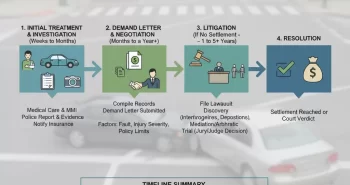
People often search for answers to how long a rear end collision settlement takes. The timeline can range from a few months to several years, depending on:
- How long it takes you to reach maximum medical improvement
- Whether liability is disputed
- The amount of available insurance coverage
- The willingness of the insurer to negotiate fairly
- Whether a lawsuit must be filed and litigated
In general, minor cases with completed treatment settle more quickly. Larger or more complex claims involving surgery, permanent impairment, or contested fault often take longer because your attorney needs a full picture of your future medical treatment before making a final demand.
The time it takes to settle a rear-end collision case can vary significantly depending on several factors, including the severity of injuries and the willingness of the insurance company to negotiate.
Mistakes That Can Reduce or Delay Your Settlement
Certain missteps can harm an otherwise strong rear end collision claim. Common examples include giving recorded statements to insurers without legal advice, accepting quick lowball offers before your treatment is done, ignoring medical recommendations, or posting damaging content on social media that contradicts your claimed limitations.
Another common mistake is waiting too long to understand what to do after a rear end collision or a general car collision. Gaps in time between the crash and your first medical visit are often used against you. Finally, missing the statute of limitations can end your rights entirely, no matter how significant your injuries are.
How To Calculate Potential Compensation
There is no single formula that every insurer uses, but attorneys commonly start by adding all documented economic damages, then evaluating a fair range for non economic damages based on injury type, duration, and impact on life.
For example, they may look at your total medical bills and lost wages, then compare your situation to prior verdicts or settlements in similar rear end cases in your area. They will also factor in whether you might need future care, whether you have permanent restrictions, and how credible you are likely to appear if the case went to trial.
Some people search for an average rear end collision settlement to get a baseline. Those numbers can be useful for education, but your own case value will depend on your specific facts, injuries, and the coverage available. An individualized evaluation from a lawyer will always be more accurate than a simple average.
Should You Accept a Rear-End Collision Settlement?
Deciding whether to accept a settlement is one of the most important choices you will make. Once you sign a release, your claim is closed. You cannot come back later if your condition worsens or if you realize the amount was not enough.
Before accepting, it is wise to confirm that your treatment is complete or that your doctor has clearly explained your long term prognosis. Make sure all wage loss is accounted for, including any missed promotions or reduced hours. Consider how the injuries affect your daily activities, family responsibilities, and future plans.
If you are unsure whether an offer is fair compensation, speaking with an attorney costs nothing in most injury cases. This is especially important if you were a passenger or were clearly not at fault and may qualify for a not at fault collision claim under multiple insurance policies.
When to Hire a Rear-End Collision Lawyer
You are not required to hire a lawyer, but there are situations where it is strongly recommended. These include severe injuries, disputed fault, high medical bills, long periods off work, or any sign that the insurer is minimizing your claim.
If you were in a complex crash, such as a head on collision involving multiple impacts or a potential classic collision lawsuit with several defendants, legal representation can be critical. You may also want counsel if you must navigate questions about what a collision is under your own policy or the difference between comprehensive and collision insurance.
An experienced head on collision lawyer or rear end collision attorney understands how to build evidence, deal with adjusters, and push for full value, not just the first number the insurer is willing to put on the table.
The Role of Insurance Companies in Rear-End Collision Settlements
Insurance companies control most of the money that is paid in rear end settlements, so their role is central. Even when fault is clear, their goal is to limit payouts. Adjusters review your records, look for gaps in treatment, question pre existing conditions, and often rely on internal guidelines to keep offers low.
You may be dealing with the at fault driver’s liability carrier, your own personal injury protection, and possibly your own uninsured or underinsured motorist coverage. Each coverage type has its own rules and claim process. Understanding those layers can open additional sources of recovery, especially when the at fault driver has low limits.
This is also why some accident victims misjudge their options. They assume that if the other driver’s policy is small, their case is over. In reality, a careful review by an attorney can reveal additional coverage or legal theories that raise the potential recovery.
How Legal Claim Assistant Can Connect You With the Right Rear-End Collision Lawyer
Navigating a rear end collision claim alone can be overwhelming, especially when you are still in pain and trying to manage medical appointments, work, and family responsibilities. Legal Claim Assistant exists to close that gap.
We help you understand your eligibility for compensation, explain your basic options in clear language, and then connect you with a qualified rear end collision lawyer for a free case review. The attorneys in our network focus on collision cases, from minor impacts to severe and traumatic injuries, and they understand how to document and present your claim so insurers take it seriously.
If your accident happened within the last year, you were not at fault or were a passenger, and you received medical care soon after the crash, you may have a claim worth pursuing. Reaching out for help does not commit you to a lawsuit. It simply gives you the information you need to make an informed decision about your rear end collision settlement and your next steps in the legal process.
No Win, No Fee. Let the Best Motor Vehicle Accident Attorneys Fight for your Compensation!